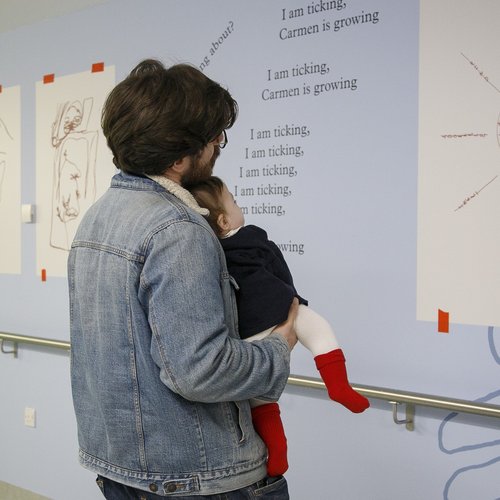
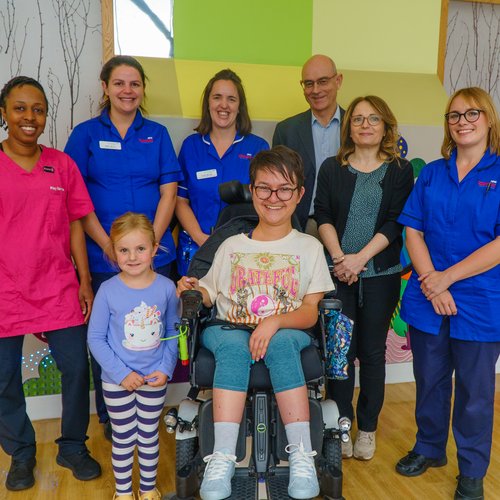
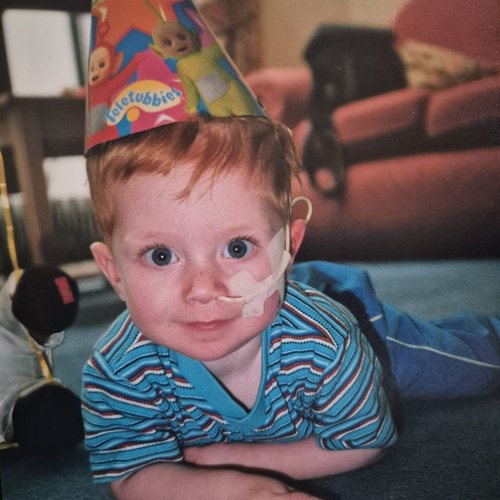
'From the Morning Light' is the result of a very special collaborative project between families and staff from our Neonatal Intensive Care Unit (NICU) and artist Nicole Morris.
Some of our resident doctors at Great Ormond Street Hospital will be taking part in planned industrial action from 7am on 15 June until 6.59am on 19 June.
Professor Helen Cross, Paediatric Neurology Consultant at GOSH and Director of the UCL Great Ormond Street Institute of Child Health, has been elected to the prestigious Academy of Medical Sciences.
Through the Paediatric Excellence Initiative, the NIHR GOSH Biomedical Research Centre is building a connected, collaborative UK-wide system to accelerate paediatric research.
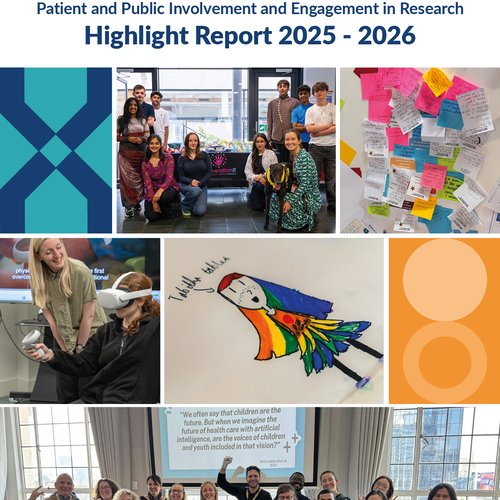
Our Highlight Report shines a spotlight on some of our brightest and best work in 2025-26. Our Impact report brings together a series of case studies and reflections that showcase the breadth and depth of PPIE across our organisation.
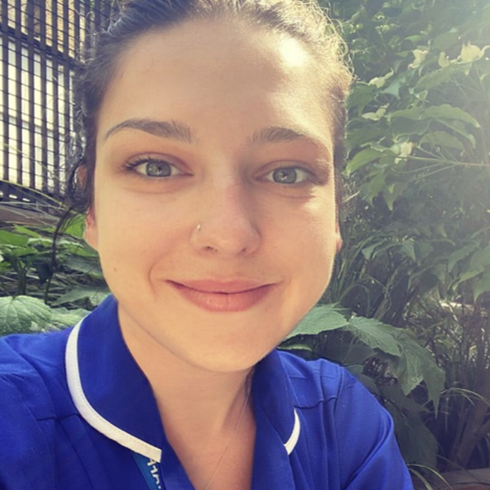
Through our Research Hospital Internship programme, the NIHR GOSH Biomedical Research Centre (BRC) is enabling healthcare professionals from diverse backgrounds to take their first steps into research.
The NIHR GOSH Biomedical Research Centre (BRC) Fellowships are transforming early-career researchers into independent leaders - driving innovation, attracting millions in funding and shaping the future of paediatric science.
Junior researchers are central to the success and sustainability of paediatric research at GOSH and the University College London Institute of Child Health.
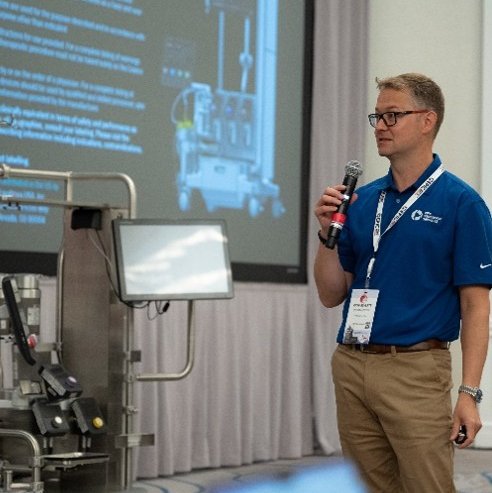
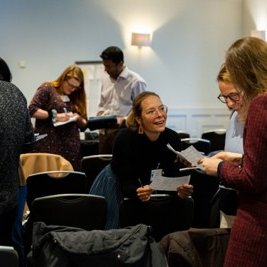
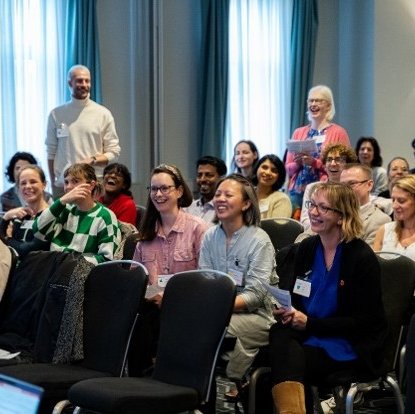
From early career clinicians to emerging scientists, the NIHR GOSH Biomedical Research Centre (BRC)’s Academic Training Weekend is shaping the future of paediatric research - bringing together talent, expertise and ambition from across the UK.
Great Ormond Street Hospital (GOSH) is delighted at the announcement that newborn babies in England will be offered screening for spinal muscular atrophy (SMA) through the newborn blood spot, or "heel prick", test programme.
Marking 25 years since delivering the first ground-breaking gene therapy here at GOSH, having now treated more than 135 children with rare and life-threatening conditions across the world.
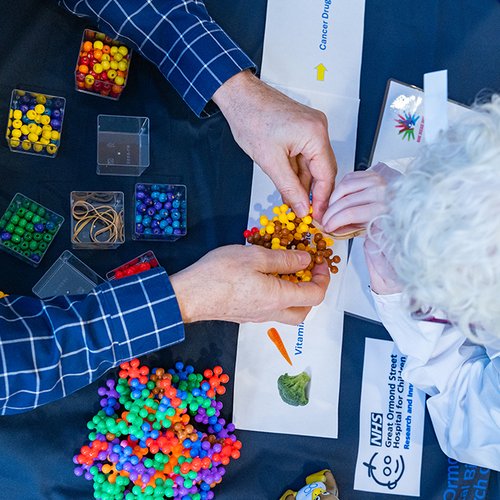
At GOSH, patients and young people are helping researchers understand not just what data can do, but how it should (and shouldn’t) be used, explained and protected.