
https://www.gosh.nhs.uk/news/building-trust-in-data-and-research/
Building trust in data and research
28 Jul 2026, 12:50 p.m.

Trust is essential for research, especially when it involves personal data. At GOSH, patients and young people are helping researchers understand not just what data can do, but how it should (and shouldn’t) be used, explained and protected.
Listening to concerns
Discussions with parents and young people reveal that data research can raise important concerns:
- Who can access information?
- Could data be misused?
- Is anonymised data truly secure?
These concerns are valid and addressing them openly is essential to building trust.
Co-creating guidance
In one project, young people worked with researchers to co-create a ‘Guide for Data Linkage’. Through this process, they identified three key principles:
- research must deliver public benefit
- data must be kept safe and secure
- communication must be open and transparent
They also emphasised the importance of explaining clearly:
- how data is stored
- what researchers can and cannot see
- what happens if rules are broken
Communicating with clarity
Parents involved in other projects echoed similar concerns - particularly about linking sensitive data such as health, income and benefits.
Their advice was clear:
- explain data use in simple, clear language
- emphasise that research looks at patterns, not individuals
- reassure people about strong safeguards and protections
The impact
These insights are helping researchers:
- improve how they communicate about data
- address concerns more openly and honestly
- build confidence in research processes
There is strong support for using data to improve lives - but only when it is done transparently and responsibly
By working with patients and families, we can ensure that trust is not assumed - it is actively built.
“Knowing exactly what is done with personal data provides assurance and increases trust.”
Liverpool YPAG member
“I think people are more likely to trust something if how it is being stored is explained rather than just saying it will be stored securely.”
GOSH YPAG member
The PPIE team at GOSH is supported by our NIHR GOSH Biomedical Research Centre.
A year of highlights and impact
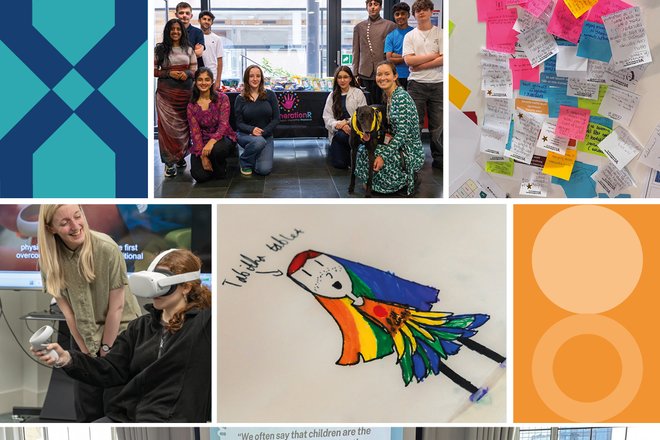
Our Highlight Report shines a spotlight on some of our brightest and best work in 2025-26. Our Impact report brings together a series of case studies and reflections that showcase the breadth and depth of PPIE across our organisation. They collectively demonstrate how well planned involvement enables constructive challenge, strengthens study design, supports effective delivery, and improves how research findings are communicated and shared.
World-first same-day metagenomics for children can detect hidden infections in intensive care
GOSH has successfully implemented a pioneering same-day respiratory metagenomics testing service for children in intensive care, helping clinicians identify infections more quickly and make better-informed treatment decision

Celebrating the gift of organ donation
During Organ Donation Week 2026, GOSH hosted its first Donor Family Tea Party, bringing together families whose children gave the extraordinary gift of life through organ donation.

Road closure: Great Ormond Street
There will be a partial closure of Great Ormond Street between 4am on Wednesday 21 and 10pm on Thursday 22 October.
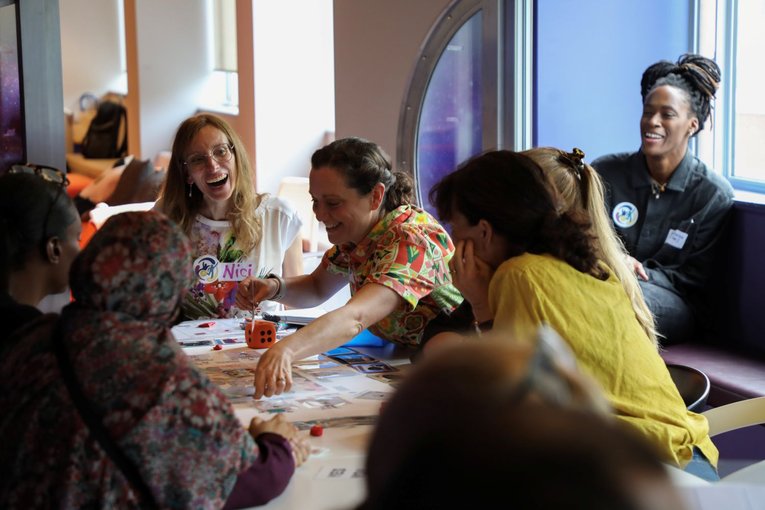
GOSH families at the heart of major £6m project to improve support for children with complex needs
Children, young people and families from GOSH will help shape a major new research programme