https://www.gosh.nhs.uk/news/landmark-decision-to-screen-for-spinal-muscular-atrophy-at-birth/
Landmark decision to screen for spinal muscular atrophy at birth
16 Jul 2026, 3:05 p.m.
Great Ormond Street Hospital (GOSH) is delighted at the announcement that newborn babies in England will be offered screening for spinal muscular atrophy (SMA) through the newborn blood spot, or "heel prick", test programme.
The move marks a significant step forward for babies and families affected by SMA, a rare genetic condition that causes progressive muscle weakness and can have life-limiting consequences. Early identification of the condition is crucial, as treatments are most effective when given before symptoms develop.
The screening programme will enable babies with SMA to be identified shortly after birth, allowing eligible families to access specialist care and potentially life-changing treatments as early as possible. The screening test will be carried out using the routine blood spot test already offered to newborn babies in the first days of life.
Spinal muscular atrophy (SMA)
Spinal muscular atrophy (SMA) is a rare genetic disease that mostly affects children.
SMA leads to an early loss of motor neurons – these are the cells in the brain and spinal cord that send commands from the brain to the muscles. Motor neurons are important for the health of muscle, so people with SMA will experience muscle weakness.
SMA is caused by a gene mutation in our DNA. The gene affected is known as the Survival Motor Neuron 1 or SMN1. The mutation means the body doesn’t produce enough of a protein called SMN, which is very important for our development, especially when we are babies.
The introduction of newborn screening
The announcement follows years of work by clinicians, researchers, charities, families and campaigners who have highlighted the importance of early diagnosis and treatment for SMA. Evidence from around the world, and families at GOSH, has shown that babies who receive treatment before symptoms appear can have significantly improved outcomes.
As one of the UK's leading centres for children with rare and complex conditions, GOSH has been at the forefront of delivering specialist care, research and innovative treatments for children with neuromuscular conditions, including SMA.
Professor Francesco Muntoni, GOSH Paediatric Neurology Consultant, has long called for this screening.
He said " I am extremely grateful for the decision to implement the Newborn Screening for SMA at a national level. As an investigator in clinical trials in which I have recruited and treated pre-symptomatic SMA children I have experienced first hand the tremendous difference existing when SMA drugs are given before the onset of the severely devastating motor neuron death. This is clearly the right decision for the health of all children born with this condition. This is a day that will remembered forever by all neuromuscular physicians, geneticists and families with children born with SMA"
Families affected by SMA often face a difficult diagnostic journey, and the introduction of newborn screening is expected to reduce delays in diagnosis and treatment, while providing greater certainty and support from the earliest stages of a child's life.
The programme is also being welcomed by charities and patient organisations that have worked tirelessly to raise awareness of SMA and advocate for earlier diagnosis.
Lena and Amelia's journey with SMA
Mum, Dorota, noticed Amelia, wasn’t walking normally when she was around 12 months old:
“We didn’t know anything was coming for Amelia and it was really a shock when she started to get ill. She was perfectly fine until she was a year old and then suddenly she started to walk with a ‘wobble’."
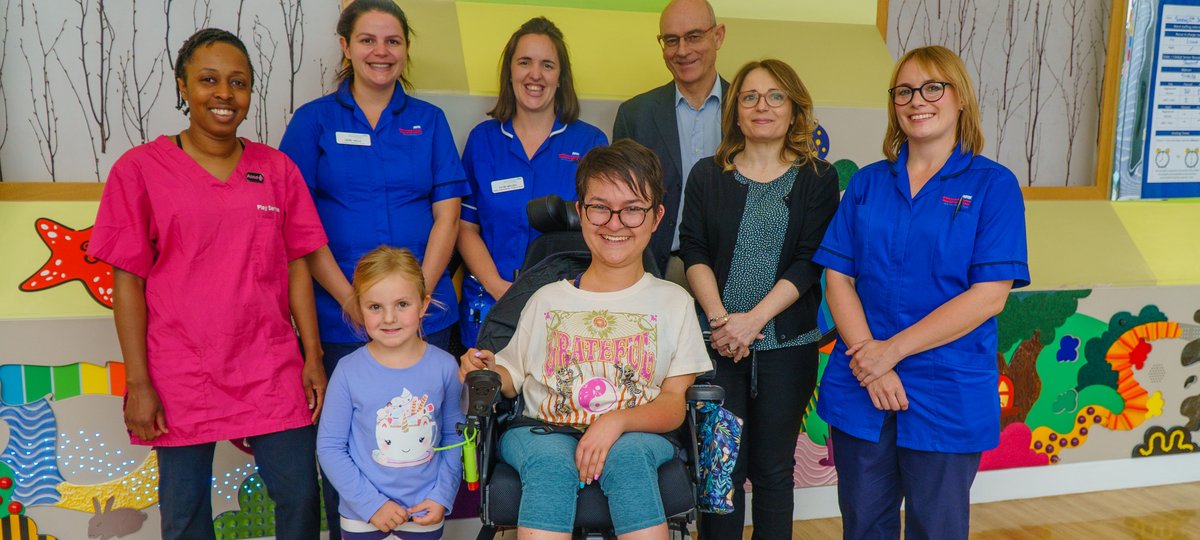
Amelia was diagnosed after symptoms started to appear and she now uses a wheelchair because of her condition, pictured above right in her chair. She was referred to GOSH, aand has now transitioned to adult care.
Lena, Amelia’s little sister, was screened for the genes for SMA just after she was born and was found to have the condition, although she had no symptoms. The GOSH team offered for Lena to take part in research to have a new gene therapy, Zolgensma, in an attempt to combat the SMA early.
Lena was treated and is now meeting all the milestones for her age, pictured above left.
The family have been part of a movement of advocates and campaigners, calling for the heelprick test.
Momentum is key
Aoife Regan, the Director of Impact and Charitable Programmes at GOSH Charity said:
"This is a hugely positive step for babies and families and follows years of tireless campaigning by the SMA community.
"Early diagnosis can be life-changing. With effective treatments now available, identifying SMA before symptoms appear gives babies the best chance of timely treatment and can help prevent irreversible disease progression.
"At GOSH teams provide specialist and wraparound care for children with SMA and their families following what is often a devastating diagnosis. Screening has the potential to transform that journey for future families.
"It is now vital that this rollout happens without delay, becomes a permanent part of newborn screening in England and that every baby diagnosed with SMA can access treatment as quickly as possible."
The introduction of SMA screening represents an important milestone in improving outcomes for children with the condition and reflects the progress made in both genetic testing and treatment over recent years.
GOSH looks forward to continuing to work with families, healthcare partners, researchers and charities to ensure children diagnosed through newborn screening receive the specialist care and support they need.
Find out more about spinal muscular atrophy (SMA).

Message to our patients and patient families following London-wide power outage
Following a London-wide power outage today, we experienced some local issues at GOSH.

GOSH surgeon receives prestigious international award
Professor Paolo De Coppi, Consultant Paediatric Surgeon at Great Ormond Street Hospital (GOSH), has been recognised as an Honorary Fellow of the American College of Surgeons (ACS), one of the most prestigious honours in global surgery.
Researchers funded to cure inflammatory disease
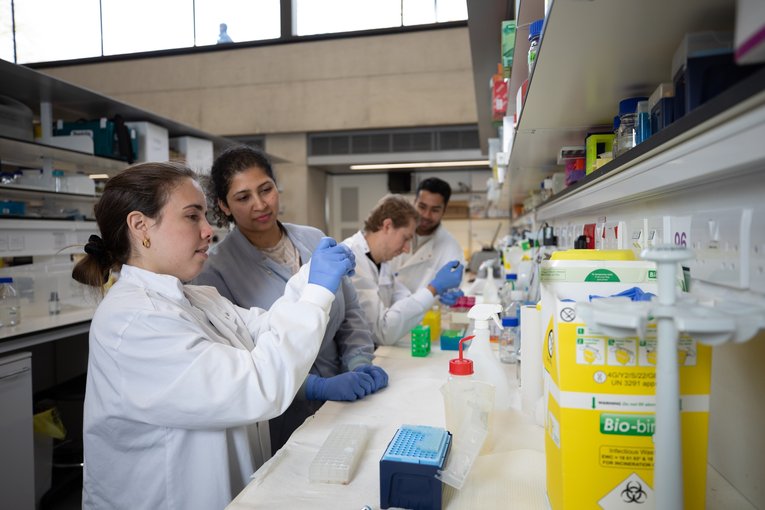
Researchers from University College London (UCL) and Great Ormond Street Hospital (GOSH) will join researchers across the UK and international partners in a bid to transform how chronic inflammatory disease is treated.
Innovative imaging project aims to save children’s sight
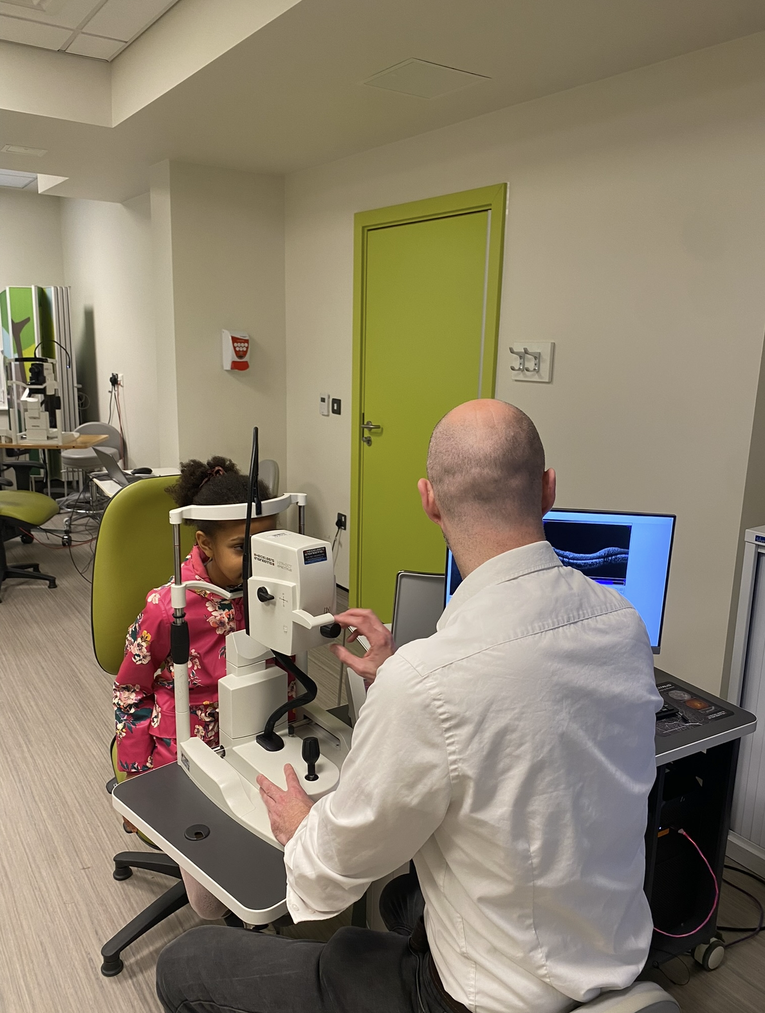
Researchers from GOSH and UCL are leading a project that could transform how children at risk of sight loss are monitored, by adapting advanced eye imaging technology for use closer to home