
https://www.gosh.nhs.uk/news/from-complex-science-to-clear-communication/
From complex science to clear communication
2 Jul 2026, 11:03 a.m.
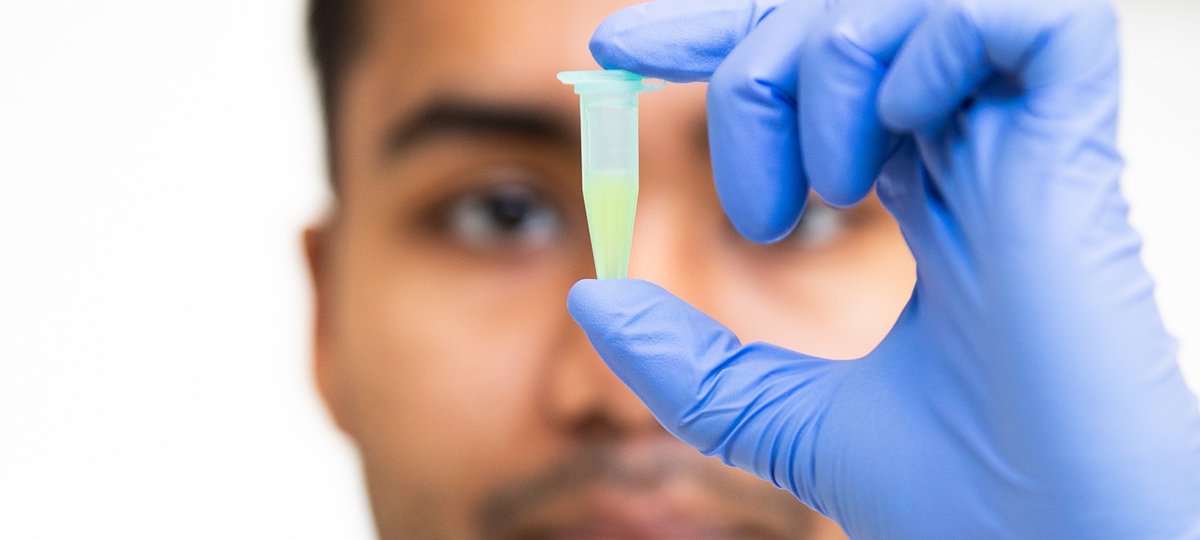
Across multiple projects at GOSH, patients, families and young people are playing a vital role in transforming how research is communicated - turning technical information into something clear, accessible and meaningful.
Making information work for people
Whether reviewing patient information sheets or co-writing plain English summaries, patient and public involvement and engagement (PPIE) contributors are helping researchers ask a crucial question: Does this make sense to the people who need it?
In one gene therapy project, collaborators worked closely with researchers to reshape how complex concepts were explained - refining language, simplifying metaphors, and improving clarity. The result was a far more accessible and engaging explanation of advanced science.
Similarly, young people involved in reviewing materials for a rare epilepsy study challenged tone, layout and wording - leading to clearer, more reassuring and more inclusive information.
Beyond words: design, tone and experience
Feedback often goes beyond content. Patients and young people consider:
- tone (“too formal” vs friendly and approachable)
- structure (clear sections and shorter sentences)
- visual design (use of colour, layout and imagery)
These changes might seem small, but together they transform how information is received - helping people feel informed, confident and respected.
Supporting better decisions
Clear communication is especially important in situations where families are making important decisions about care or research participation. For example, work to co-design new gene therapy information resources highlights this clearly. Families identified the need for:
- earlier access to clear, structured information
- visual and interactive resources
- real-life insights from other families
These insights are now shaping a new generation of patient-centred materials.
The impact
When patients and families help shape communication:
- understanding improves
- anxiety is reduced
- trust is strengthened
Most importantly, people feel able to engage with research on their own terms because good communication makes concepts accessible to everyone.
“GOSH YPAG doesn’t just review documents; they challenge your thinking and reshape the project…Their questions made the project clearer, more focused, and more honest.”
- Dr Eva Ioannidou, paediatric trainee and honorary lecturer based at the UCL Great Ormond Street Institute of Child Health, REMEDI Project
A year of highlights and impact
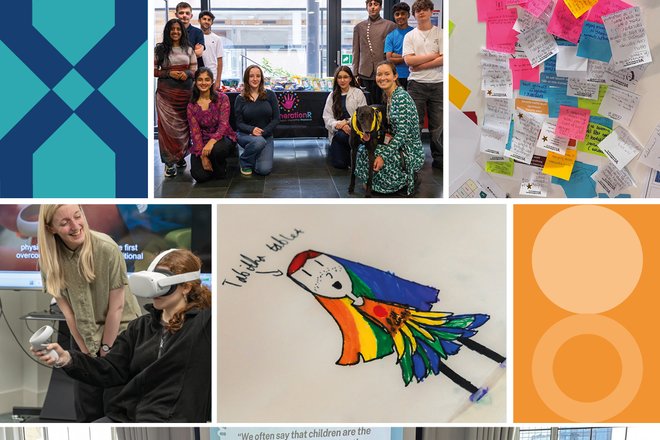
Our Highlight Report shines a spotlight on some of our brightest and best work in 2025-26. Our Impact report brings together a series of case studies and reflections that showcase the breadth and depth of PPIE across our organisation. They collectively demonstrate how well planned involvement enables constructive challenge, strengthens study design, supports effective delivery, and improves how research findings are communicated and shared.
The PPIE team at GOSH is supported by our NIHR GOSH Biomedical Research Centre

Message to our patients and patient families following London-wide power outage
Following a London-wide power outage today, we experienced some local issues at GOSH.

GOSH surgeon receives prestigious international award
Professor Paolo De Coppi, Consultant Paediatric Surgeon at Great Ormond Street Hospital (GOSH), has been recognised as an Honorary Fellow of the American College of Surgeons (ACS), one of the most prestigious honours in global surgery.
Researchers funded to cure inflammatory disease
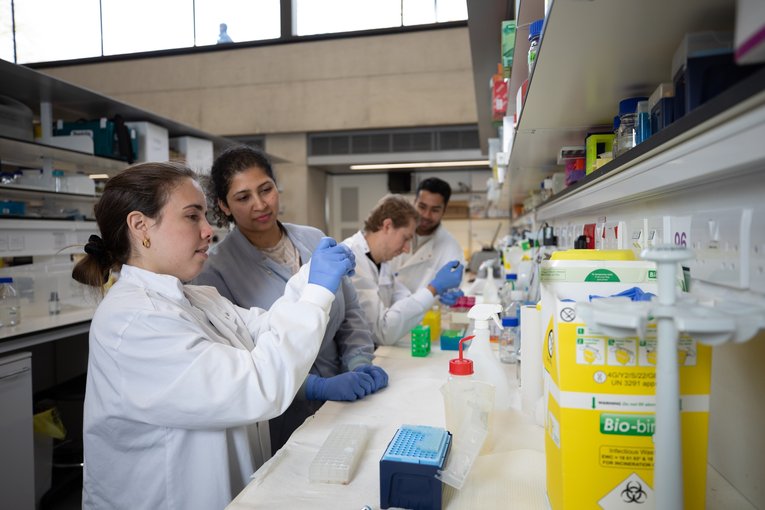
Researchers from University College London (UCL) and Great Ormond Street Hospital (GOSH) will join researchers across the UK and international partners in a bid to transform how chronic inflammatory disease is treated.
Innovative imaging project aims to save children’s sight
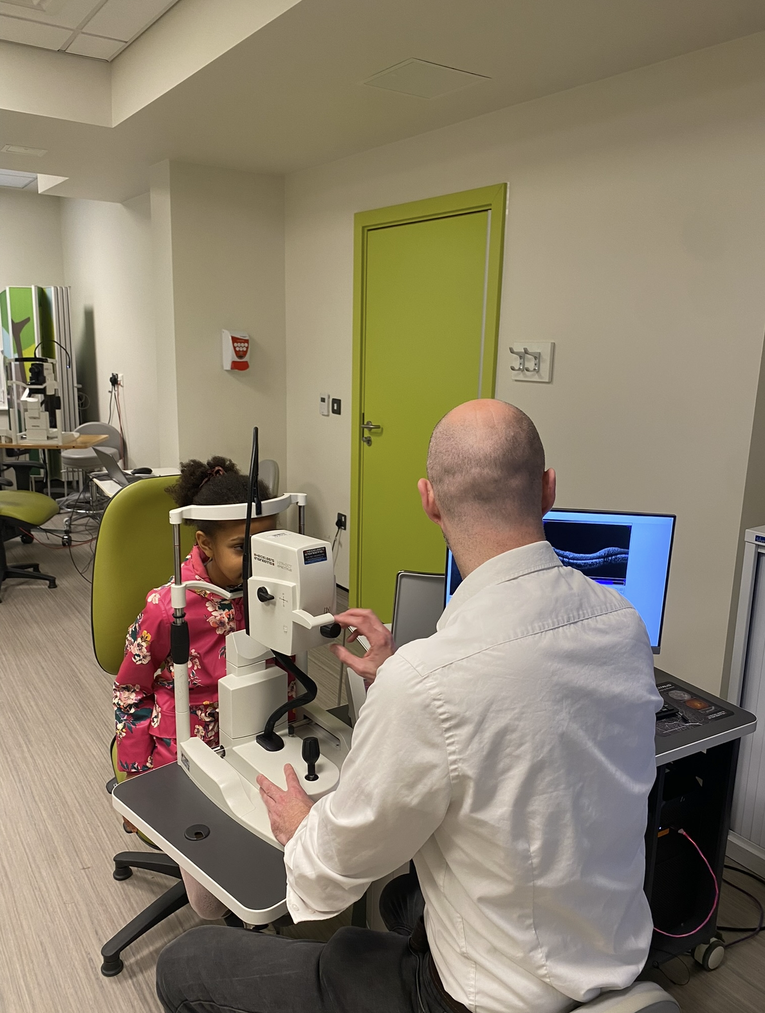
Researchers from GOSH and UCL are leading a project that could transform how children at risk of sight loss are monitored, by adapting advanced eye imaging technology for use closer to home