
https://www.gosh.nhs.uk/news/creating-communities-and-lasting-involvement/
Creating communities and lasting involvement
6 Aug 2026, 1 p.m.

At GOSH, patient and public involvement and engagement (PPIE) builds lasting relationships and communities that shape research over time.
From participation to partnership
Groups like Hirschsprung Connect show how ongoing involvement can transform research. By bringing together families with lived experience, researchers gain deeper insights into:
- long-term challenges beyond initial treatment
- priorities for future research
- gaps in understanding that need further exploration
These conversations have already led to:
- new research collaborations
- funded projects
- plans for wider engagement through events and awareness initiatives
Strengthening research through shared experience
Involving patients and families in ongoing groups allows research to evolve alongside real-world experience.
Participants don’t just give feedback, they:
- shape research questions
- inform study direction
- help translate findings into action
Influencing decisions at every level
PPIE also plays a vital role in research funding.
Lay panel members involved in funding decisions help ensure that:
- research is relevant and meaningful
- proposals are clear and accessible
- decision-making is fair and transparent
Their contributions strengthen the quality and credibility of funded research.
Building confidence and skills
PPIE improves research and benefits the contributors.
Participants report:
- increased confidence
- new knowledge and skills
- a stronger sense of contributing to meaningful change
The impact
When PPIE becomes ongoing and embedded:
- research becomes more responsive
- communities feel valued and heard
- partnerships continue to grow over time
“This has been an invaluable experience in helping us better understand the needs of the community… we are keen to continue working closely with the community.”
Researcher, Hirschsprung Connect project
“We have found this so valuable and have gained so much insight from yourselves and the other families.”
Hirschsprung Connect Discussion Group member
The PPIE team at GOSH is supported by our NIHR GOSH Biomedical Research Centre.
A year of highlights and impact
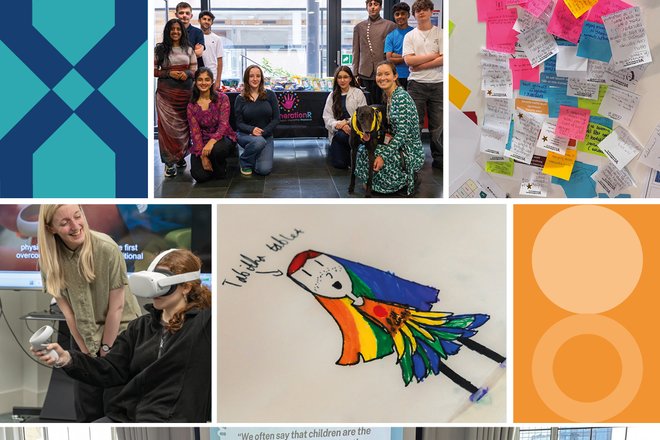
Our Highlight Report shines a spotlight on some of our brightest and best work in 2025-26. Our Impact report brings together a series of case studies and reflections that showcase the breadth and depth of PPIE across our organisation. They collectively demonstrate how well planned involvement enables constructive challenge, strengthens study design, supports effective delivery, and improves how research findings are communicated and shared.
World-first same-day metagenomics for children can detect hidden infections in intensive care
GOSH has successfully implemented a pioneering same-day respiratory metagenomics testing service for children in intensive care, helping clinicians identify infections more quickly and make better-informed treatment decision
Celebrating the gift of organ donation
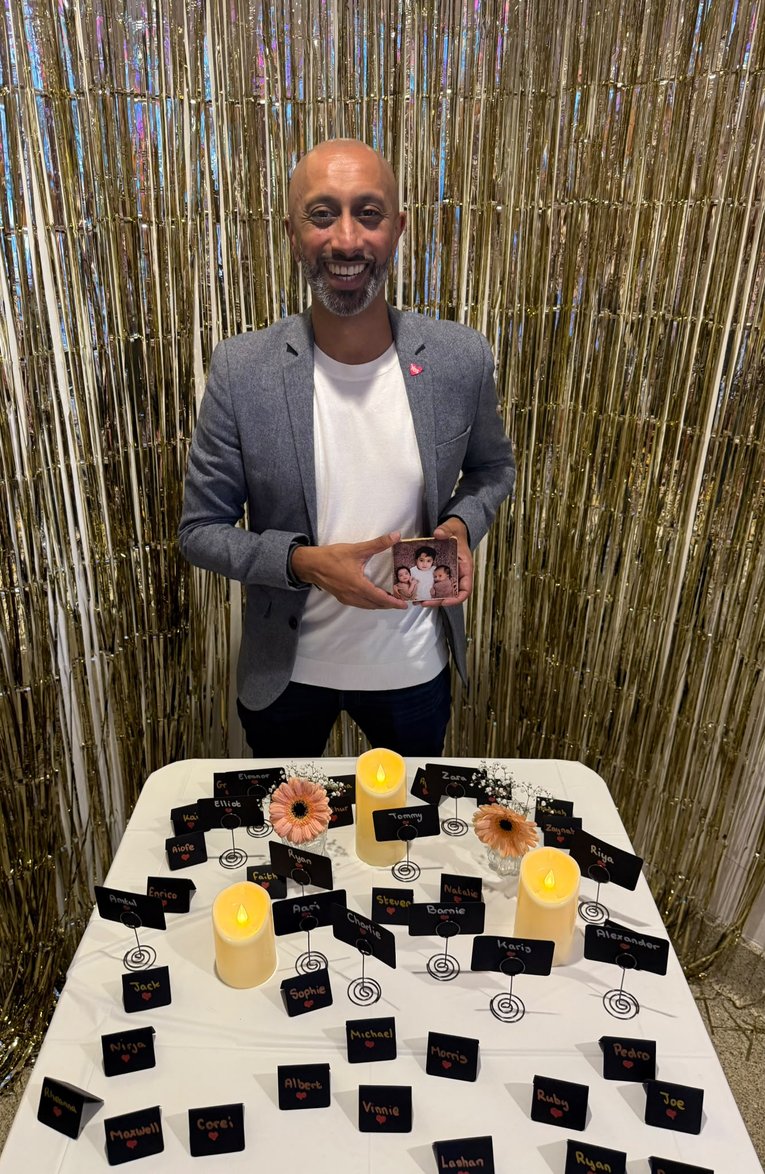
During Organ Donation Week 2026, GOSH hosted its first Donor Family Tea Party, bringing together families whose children gave the extraordinary gift of life through organ donation.
Road closure: Great Ormond Street
There will be a partial closure of Great Ormond Street between 4am on Wednesday 21 and 10pm on Thursday 22 October.
GOSH families at the heart of major £6m project to improve support for children with complex needs
Children, young people and families from GOSH will help shape a major new research programme