
https://www.gosh.nhs.uk/news/working-together-to-transform-research/
Working together to transform research
15 Jun 2026, 3:06 p.m.
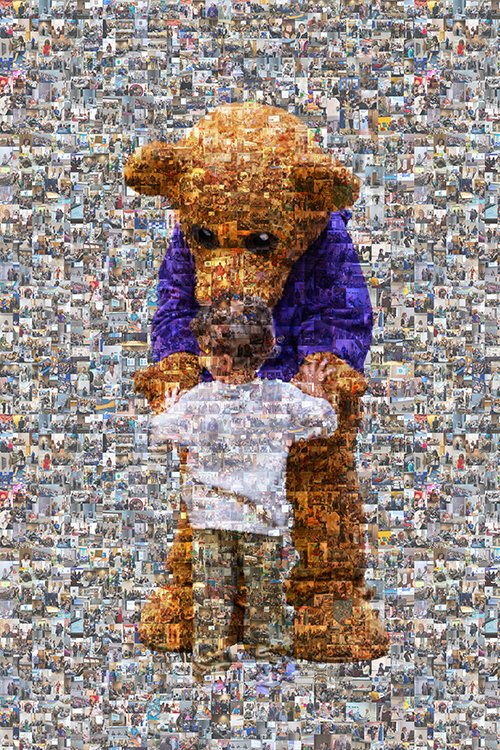
At Great Ormond Street Hospital (GOSH), patient and public involvement and engagement (PPIE) is an integral part of how research is done and not an afterthought.
Across our 2025–2026 Impact Report, one message is clear: when we work alongside patients, families and young people, research becomes more relevant, more effective, and more meaningful. From shaping study design to improving how findings are shared, lived experience is making a real difference at every stage of the research journey.
Why PPIE matters
Research often seeks to answer complex questions but those questions only truly matter if they reflect real life. By involving patients, families and young people, we ensure that research:
- focuses on what matters most to those affected
- reflects real-world experiences and challenges
- communicates clearly and builds trust
Across this year’s work, PPIE has helped researchers strengthen study design, improve delivery, and rethink how results are shared.
A year of highlights and impact
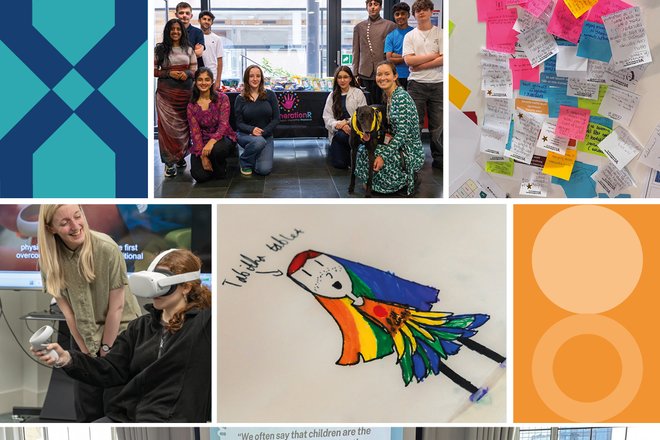
Our Highlight Report shines a spotlight on some of our brightest and best work in 2025-26. Our Impact report brings together a series of case studies and reflections that showcase the breadth and depth of PPIE across our organisation. They collectively demonstrate how well planned involvement enables constructive challenge, strengthens study design, supports effective delivery, and improves how research findings are communicated and shared.
What difference does it make?
- Improving research from the start - Early conversations with parents and young people are helping researchers identify gaps, refine methodologies, and avoid assumptions before studies even begin.
- Making complex research understandable - From gene therapy to rare neurological conditions, patients and young people are transforming how research is explained - improving clarity, tone, and accessibility.
- Building trust in research and data - Open conversations about privacy, safety, and transparency are shaping how researchers communicate about data - helping to build confidence and trust.
- Creating lasting partnerships - PPIE at GOSH is not a one-off activity. Ongoing groups, networks and collaborations are building communities that continue to shape research over time.
- A culture of collaboration - Our report shows that PPIE is most powerful when it is embedded throughout the research process and not just at key moments, but continuously.
Researchers gain new perspectives while patients and families influence meaningful change. Together, we create research that is not only scientifically robust, but grounded in real life.
Looking ahead
As we continue to grow and strengthen our PPIE approach, our ambition is simple: to ensure that every research project benefits from the insight, expertise and lived experience of the people it is designed to serve.
Because the most impactful research isn’t done for patients and families - it’s done with them.
Our programme of PPIE at GOSH is supported by the NIHR GOSH Biomedical Research Centre.
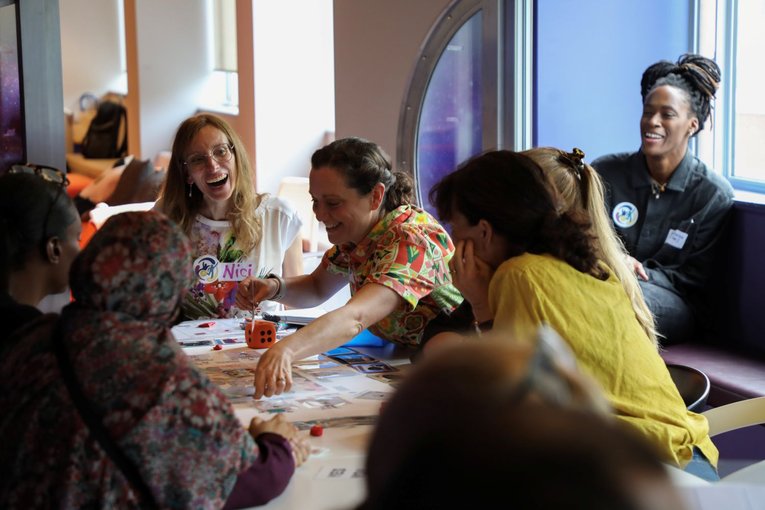
GOSH families at the heart of major £6m project to improve support for children with complex needs
Children, young people and families from GOSH will help shape a major new research programme
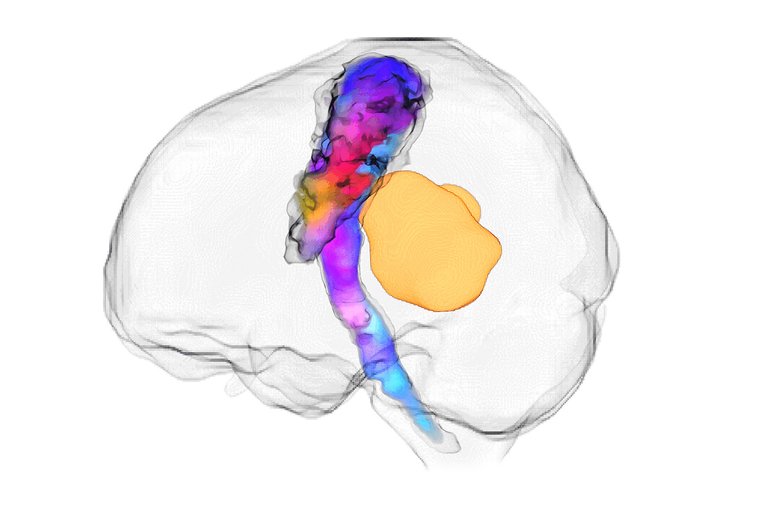
New Fellowship to develop the next generation of paediatric neuro-oncology specialists
The Tessa Jowell Brain Cancer Mission has launched it's first Paediatric Neuro-Oncology Fellowship, to support the development of specialists caring for children with brain cancers
Thousands join world-first trial to save lives of critically ill children
Some of the sickest children in the UK have started to join an innovative clinical trial designed to improve the survival and recovery of children requiring intensive care treatment, led by GOSH.

Message to our patients and patient families following London-wide power outage
Following a London-wide power outage today, we experienced some local issues at GOSH.