
https://www.gosh.nhs.uk/news/spotlight-on-our-research-co-ordinators/
Spotlight on our Research Co-ordinators
13 May 2026, 3:12 p.m.
Each year, GOSH runs over 200 clinical trials.
This is where we work with our patients to try out new treatments, devices or procedures in a controlled way, to see if we can improve on the current options available. Clinical trials at GOSH are world-leading and on the cutting edge of science. The research often make the news, featuring the doctors, nurses and allied health professionals who treat our patients. But what about the staff who keep the trials on track, ensure the data is up-to-date, that rules are followed and families get their agreed upon support? Enter Research Co-ordinators…
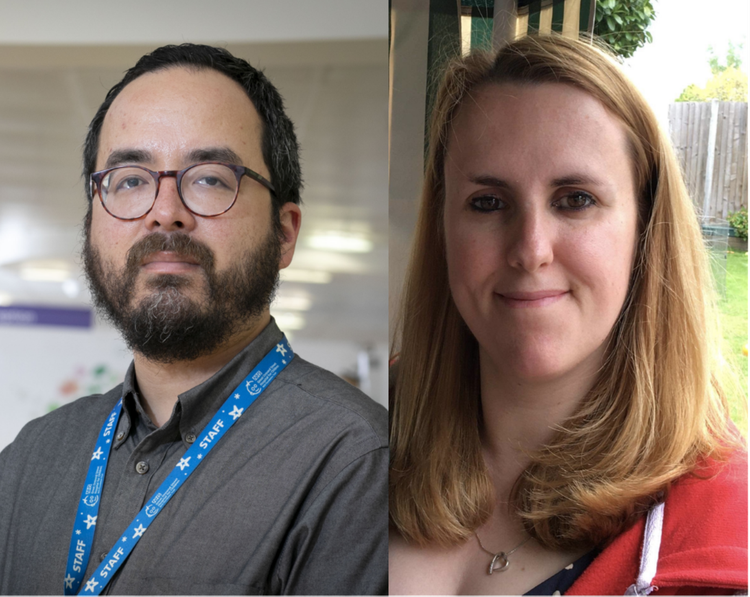
Chris Jackson (left) is a Senior Research Co-ordinator and Louise Wall (right) is a Research Co-ordinator at GOSH. They are both based in our NIHR GOSH Clinical Research Facility on the 8th floor of our Southwood building. They mostly support the clinical trials that take place in the Facility but they do occasionally support the trials that run in the rest of the hospital, too.
Chris - “I used to work at Evelina Children’s Hospital in South London as a research administrator then moved to Hammersmith Hospital’s clinical governance team, but I missed having a connection with families and seeing the impact that research can have first-hand. I’ve been at GOSH for ten years now and my favourite thing is being involved in first-in-human trials with positive outcomes.
“We speak directly to families to manage any support that goes with their trials. As some families come in over many years and, or, really frequently, we get to build some lovely relationships and see the impact of the research that we make possible.
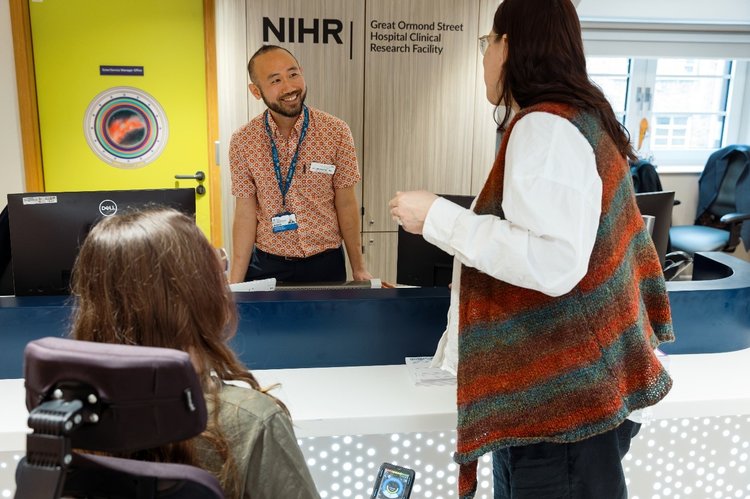
“I don’t think people realise all the things that go into study set-up. From checking all the processes and liaising with supporting departments, to working with pharmacy laboratories and the clinical teams leading the trials. There are lots of forms and lots of spreadsheets!
“We’re quite well recognised internally and research teams do understand how complex our job can be. A tricky part of the job can be managing sponsors expectations if they think something can be done really quickly, that actually takes a tonne of emails or calls. During Covid we had to get a trial set up in a matter of days and there was a big push to clear any clinical backlogs – it was a huge amount of work.
“In comparison, some of the longest natural history studies can take months or even years to set up. We do use tracking software to keep track of everything but we also have to remember a lot.”
Louise - I was a research assistant in Epilepsy research as I have a neuroscience background but I wanted to work closer to patients and see what happens in trials. It feels like I’ve come full circle in my career so far, I started out doing the research and now I co-ordinate the research itself, supporting the day-to-day running of trials.
My role really focuses on co-ordination of trials in neuromuscular conditions – Spinal muscular atrophy, Duchenne Muscular Dystrophy, and other conditions that affect the muscles. It might be quite unusual to have a co-ordinator that focuses on just one disease area but really we have so many trials in this area, and GOSH is such a centre of excellence in it, there’s plenty of work to keep me very busy.
I see families regularly – I make a point of it and introduce myself whenever I can. If a family are coming in that I have been working with, I’ll pop my head into their room, see how they are doing and if there are any changes they might need to how we are supporting them. That’s the best part of my job actually - seeing patients that started out not doing so well making real improvements - that’s when you can really feel that the research (and your work) is having a real difference.
World-first same-day metagenomics for children can detect hidden infections in intensive care
GOSH has successfully implemented a pioneering same-day respiratory metagenomics testing service for children in intensive care, helping clinicians identify infections more quickly and make better-informed treatment decision
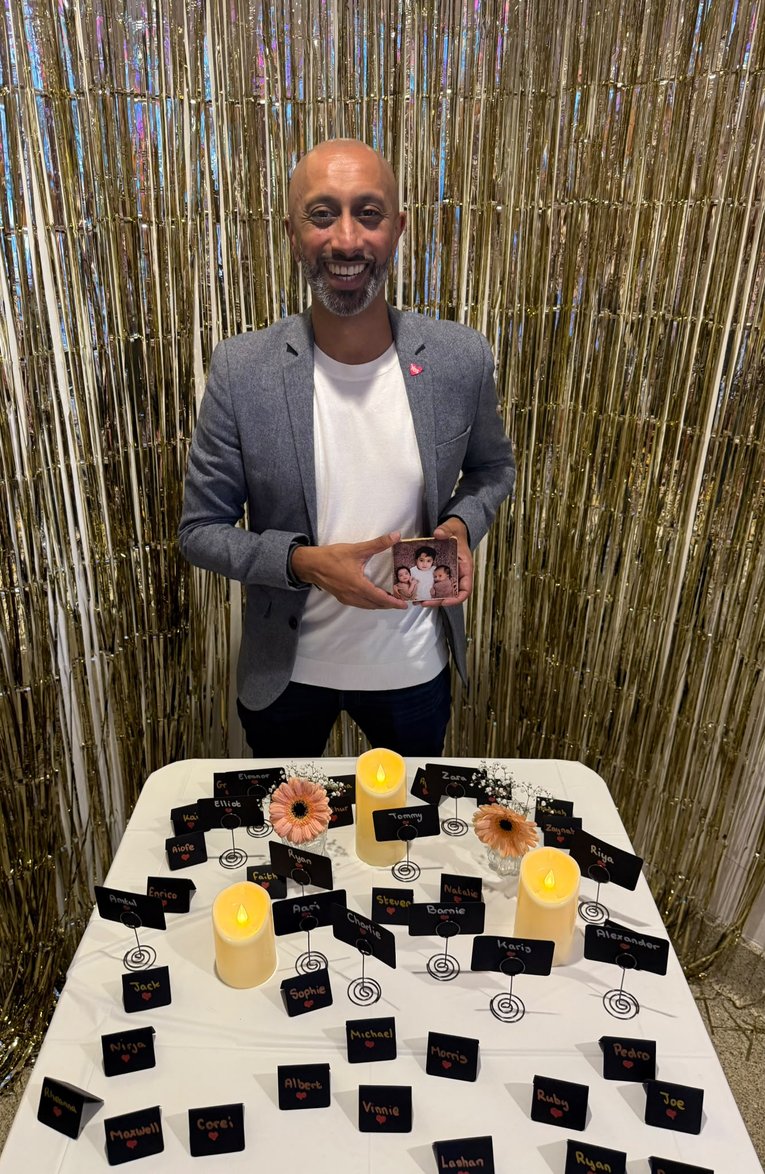
Celebrating the gift of organ donation
During Organ Donation Week 2026, GOSH hosted its first Donor Family Tea Party, bringing together families whose children gave the extraordinary gift of life through organ donation.

Postponed - Road closure: Great Ormond Street
Postponed: There will be a partial closure of Great Ormond Street between 4am on Wednesday 21 and 10pm on Thursday 22 October.
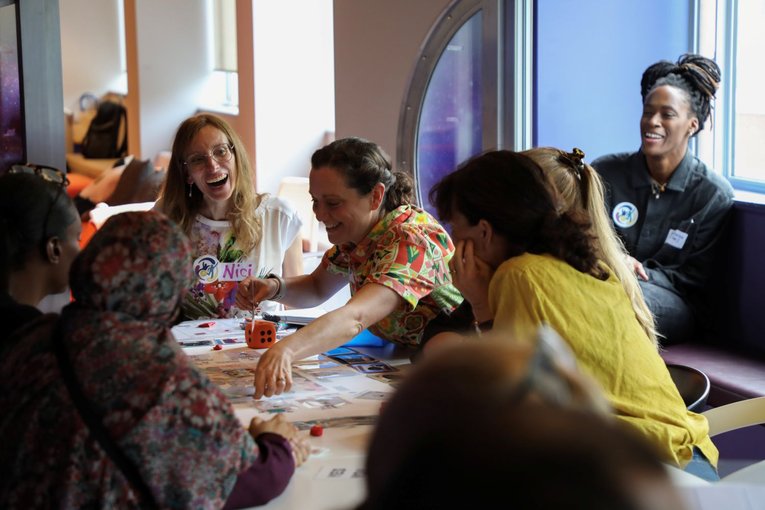
GOSH families at the heart of major £6m project to improve support for children with complex needs
Children, young people and families from GOSH will help shape a major new research programme