https://www.gosh.nhs.uk/news/shaping-better-research-from-the-start/
Shaping better research from the start
22 Jun 2026, 4:12 p.m.
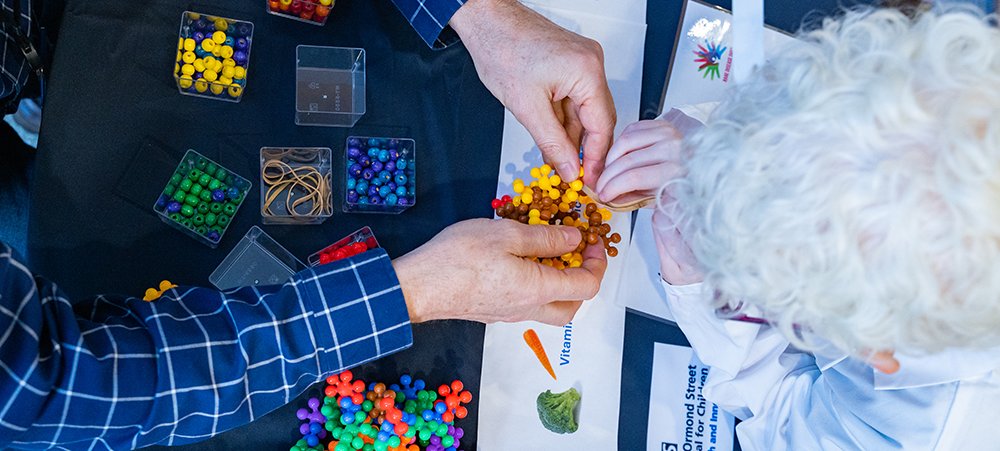
At GOSH, patient and public involvement is helping researchers to ask the right question, right from the start. By involving patients, families and young people early, studies are being shaped in ways that make them more relevant, inclusive and grounded in real-world experience.
Challenging assumptions
In a study exploring how caring for a child with complex health needs affects mothers’ employment and income, early conversations with parents revealed important considerations:
- factors influencing income beyond what data could capture
- limitations in how family structures are represented
- concerns about how findings might be interpreted
These insights are now informing how the research is designed, analysed and communicated -ensuring a more accurate and responsible approach.
Designing trials with families in mind
In planning a new immunotherapy trial for children with leukaemia, engagement with families highlighted key priorities:
- treatment effectiveness and long-term outcomes
- the impact of treatment on daily life
- concerns about pain, anxiety and practical burden
These insights are directly shaping trial design - from delivery methods to patient-facing materials - ensuring the study reflects what matters most to families.
Improving research participation
In the Late Effects Study, young people helped refine how research participation is organised and communicated, including:
- how appointments are structured
- how studies are explained
- how participants are recruited
Their ideas - from clearer messaging to creative recruitment approaches - are helping make research more accessible and engaging.
The impact
Early patient and public involvement and engagement (PPIE) helps researchers:
- identify blind spots
- refine research questions
- design more inclusive and realistic studies
Ultimately, it leads to research that is better aligned with the lives of the people it is designed to benefit.
Because when you involve people at the start, you build stronger research from the ground up.
What did families have to say in our sessions?
“The trauma of 52 injections… is too high.” Parent carer, immunotherapy Patient and Public Involvement survey
“There’s either something else going on… or it’s not quite as simple as the nerves being there and looking fine.” Parent, Hirschsprung Connect discussion group
“Parents consistently emphasised that cure and long-term survival were the outcomes that mattered most.” Research team reflection, immunotherapy trial Patient and Public Involvement
A year of highlights and impact
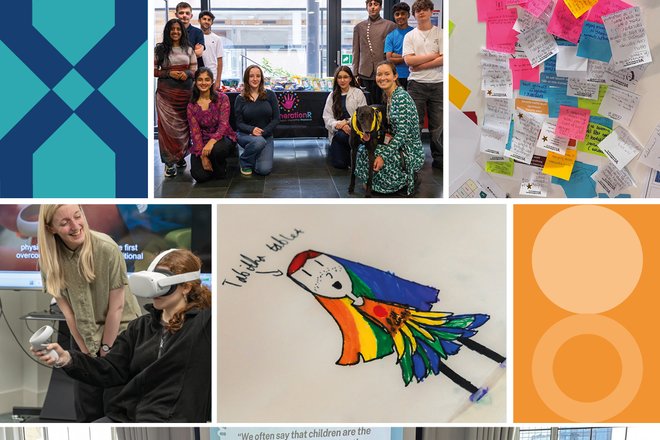
Our Highlight Report shines a spotlight on some of our brightest and best work in 2025-26. Our Impact report brings together a series of case studies and reflections that showcase the breadth and depth of PPIE across our organisation. They collectively demonstrate how well planned involvement enables constructive challenge, strengthens study design, supports effective delivery, and improves how research findings are communicated and shared.
The PPIE team at GOSH is supported by our NIHR GOSH Biomedical Research Centre
World-first same-day metagenomics for children can detect hidden infections in intensive care
GOSH has successfully implemented a pioneering same-day respiratory metagenomics testing service for children in intensive care, helping clinicians identify infections more quickly and make better-informed treatment decision
Celebrating the gift of organ donation
During Organ Donation Week 2026, GOSH hosted its first Donor Family Tea Party, bringing together families whose children gave the extraordinary gift of life through organ donation.
Postponed - Road closure: Great Ormond Street
Postponed: There will be a partial closure of Great Ormond Street between 4am on Wednesday 21 and 10pm on Thursday 22 October.
GOSH families at the heart of major £6m project to improve support for children with complex needs
Children, young people and families from GOSH will help shape a major new research programme