https://www.gosh.nhs.uk/news/celebrating-25-years-of-saving-childrens-lives-with-gene-therapy/
Celebrating 25 years of saving children’s lives with gene therapy
23 Jul 2026, 11:43 a.m.
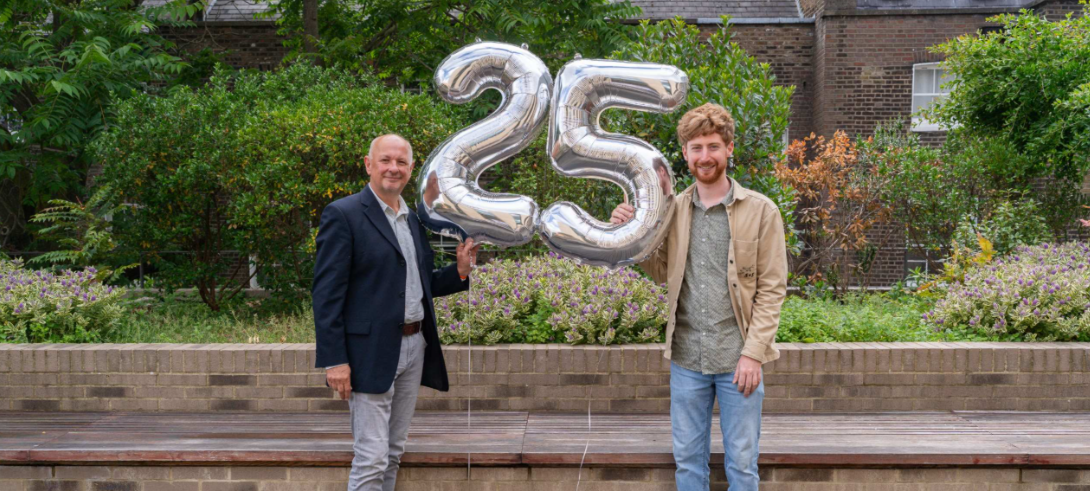
We marked 25 years since delivering the first ground-breaking gene therapy here at GOSH, having now treated more than 135 children with rare and life-threatening conditions across the world.
A quarter century of life-changing treatments
Over the past quarter century, GOSH clinicians and researchers have spearheaded the development and delivery of gene therapies, moving the field from the laboratory, into life-changing treatments for children and young people. Many patients who once might never have reached their second birthday have now been able to grow up, go to school and live full, active lives.
Among them is Rhys Evans, the first child in the UK to be treated with gene therapy. When he was just one year old Rhys was treated at GOSH for Severe Combined Immunodeficiency (SCID), a rare condition that leaves babies without a functioning immune system, meaning they cannot fight off everyday infections.
Rhys' story
Back in 2001, the only treatment for patients like Rhys was a bone marrow transplant, an incredibly difficult procedure. Rhys, who’s from Cardiff, became the first to receive this novel gene therapy and within weeks his immune system started to develop.
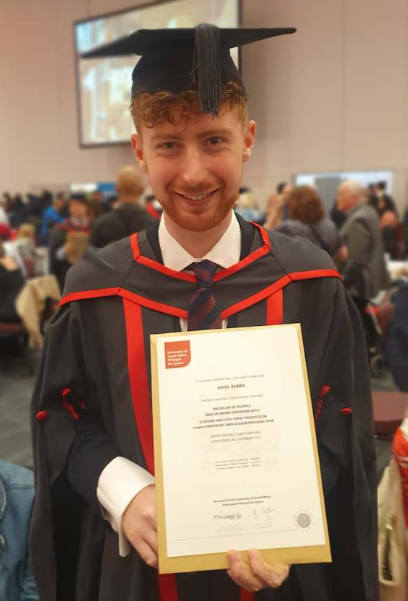
Now aged 25, and living in Minehead, Rhys said: “I wouldn’t be here without the treatment I received at GOSH. Growing up, I’ve been able to live a normal life, go to school and university, see friends, and plan for the future, things my family once couldn’t take for granted. It’s incredible to see how 25 years on gene therapy has helped so many children like me.”
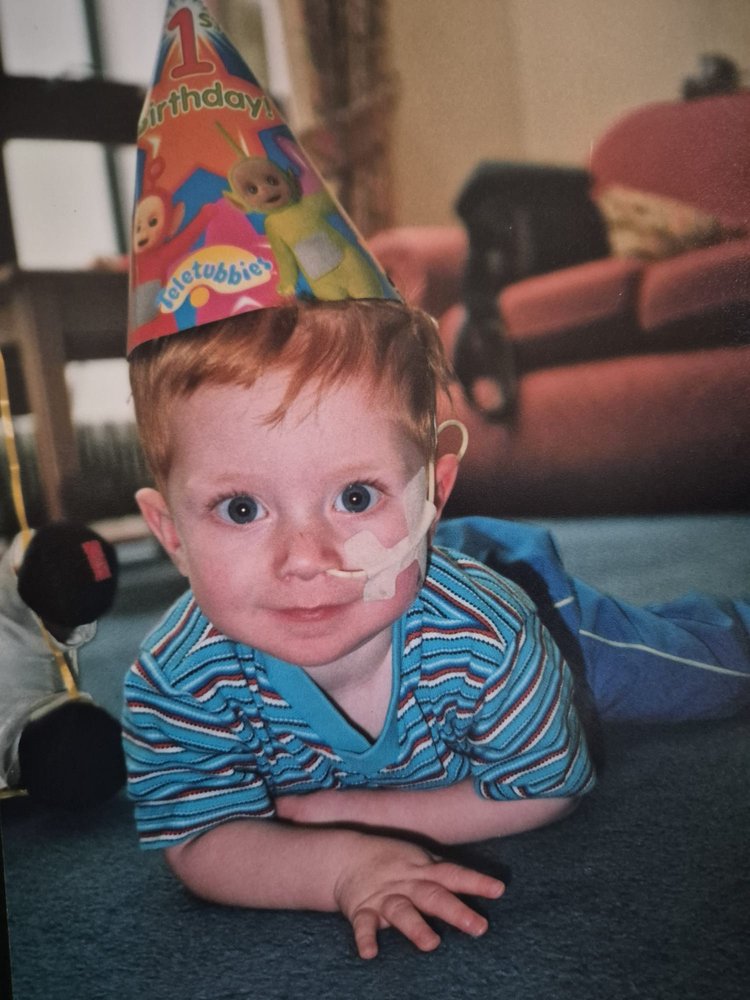
Rhys' first birthday
Gene therapy was pioneered between GOSH and University College London by Professor Bobby Gaspar and Professor Adrian Thrasher who were working on a revolutionary new type of therapy where a working copy of the gene could be inserted into the patients’ own cells, replacing faulty genes or 'switching off' a gene that causes disease.
Kimberly Gilmour processed the cells for Rhys in 2001 in the labs at GOSH and still works at the hospital now as Chief of Laboratory Medicine.
Kimberly said: “Before Rhys, we had never worked with fresh cells before, so it was quite daunting! His parents and Adrian [Thrasher] were in the office watching us through the glass into the lab, as we had no intercom or mobile phone to communicate with them. We took the cells to the ward to Rhys, and we didn’t know if this would be a cure. We were delighted that he did so well.
“I am privileged to be part of gene therapy at GOSH, from the 1st trial to the present day where gene therapy is used to treat many condition. It is still a delight to watch as the patient results become normal and hear the stories of patients developing, going to school, and becoming active adults. I love translating novel test and therapies to clinical care.”
Gene therapy today
Today, gene therapies at GOSH are used to treat a range of conditions, including immunodeficiencies, rare genetic disorders, and spinal muscular atrophy. In total, teams at the hospital have delivered 35 different gene and cell therapy treatments to babies, children and young people, many through clinical trials, with an increasing number now available on the NHS.
This progress has been driven by close collaboration between scientists, clinicians and specialist manufacturing teams. Since 2007, over 90 gene therapy products have been developed in GOSH’s Cell and Gene Therapy Facility, a manufacturing site for advanced therapy medicinal products, including gene therapies.
Together, this work has positioned GOSH as a global leader in gene therapy, treating more patients than any other centre in Europe and helping to shape delivery across the NHS and beyond.
In partnership with University College London Great Ormond Street Institute of Child Health (UCL GOS ICH) and the NIHR GOSH Biomedical Research Centre (NIHR GOSH BRC), researchers are now advancing the next generation of gene therapies, including for rare heart and metabolic conditions.
Jinhua Xu-Bayford, a Gene Therapy and Immunology Clinical Nurse Specialist lead at GOSH, cares for children receiving these treatments today. She said: “I cared for children with SCID for whom conventional treatment was not always a viable option. When we started being able to offer gene therapy for patients it was so wonderful to be able to tell parents that there was another chance for their child that could transform their life.
“Over the past 25 years I have personally infused every single gene therapy patient in a trial at GOSH. I am very proud to be a part of the incredible teamwork that has a hugely positive impact on so many lives.”
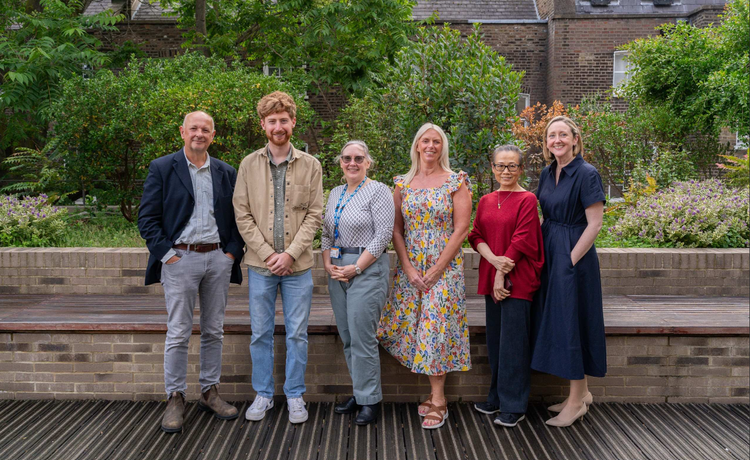
From left to right: Adrian Thrasher, Rhys Evans, Kimberly Gilmour, Marie Evans, Jinhua Xu Bayford, Claire Booth
Marking the milestone
The milestone was marked at an anniversary event hosted at the Zayed Centre for Research into Rare Disease in Children, bringing together clinicians, researchers, partners and international guests. Rhys and his parents were also in attendance and were reunited with his clinical team who changed his life.
Dr Kiki Syrad, Director of Research and Innovation at Great Ormond Street Hospital, said: “Marking 25 years of gene therapy at GOSH is both a celebration of how far we’ve come and a powerful reminder of what’s still possible. This progress has only been possible through global collaboration, innovation, and the dedication and hard work of our clinicians and researchers, alongside our patients and families who have helped shape this field. We are committed to building on this momentum and accelerating the development of new therapies and ensuring more children, in the UK and around the world, can benefit from gene therapies.”
Aoife Regan, Great Ormond Street Hospital Charity’s Director of Impact & Charitable Programmes, said: “GOSH Charity is proud to have provided sustained funding for groundbreaking gene therapy work at GOSH, supporting research and clinical work that has helped transform the lives of seriously ill children and their families.”
“Gene therapy has the potential to be truly transformative, helping to give children with some of the rarest and most complex conditions the best chance and best childhood possible. Supporting this work remains a key priority for GOSH Charity so more children can benefit from these advances in the future.”
World-first same-day metagenomics for children can detect hidden infections in intensive care
GOSH has successfully implemented a pioneering same-day respiratory metagenomics testing service for children in intensive care, helping clinicians identify infections more quickly and make better-informed treatment decision
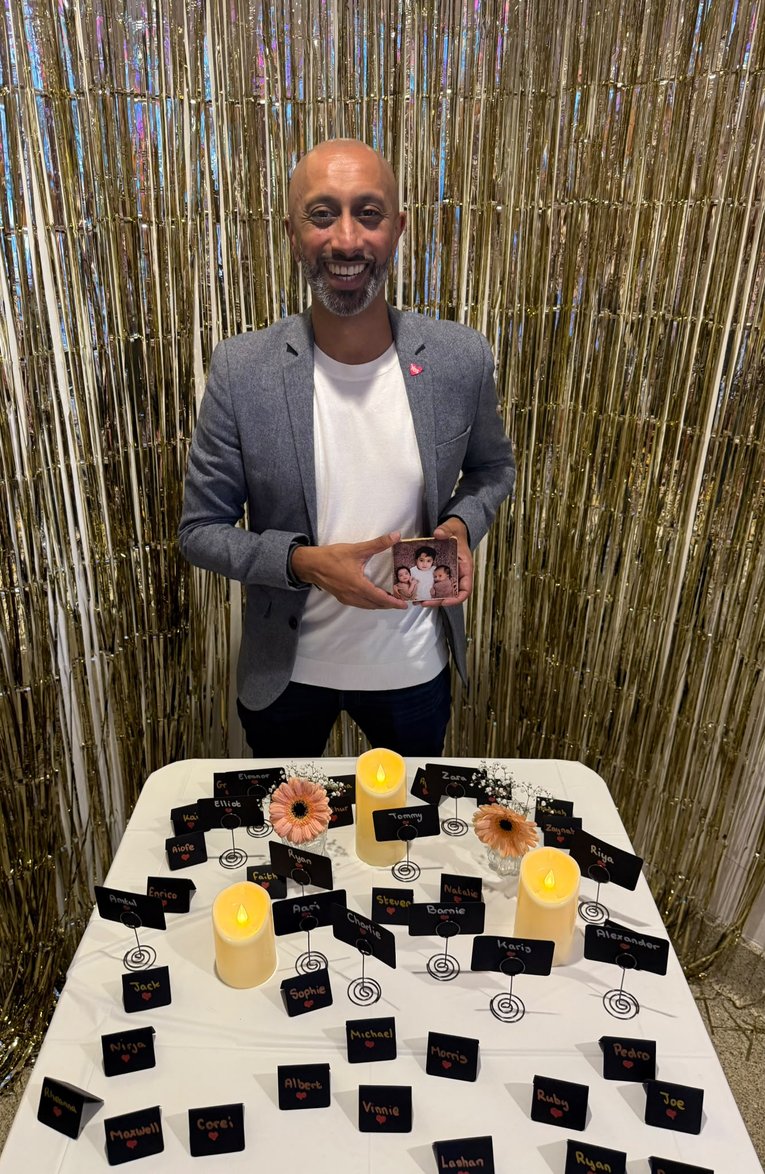
Celebrating the gift of organ donation
During Organ Donation Week 2026, GOSH hosted its first Donor Family Tea Party, bringing together families whose children gave the extraordinary gift of life through organ donation.

Road closure: Great Ormond Street
There will be a partial closure of Great Ormond Street between 4am on Wednesday 21 and 10pm on Thursday 22 October.
GOSH families at the heart of major £6m project to improve support for children with complex needs
Children, young people and families from GOSH will help shape a major new research programme