
https://www.gosh.nhs.uk/news/uk-wide-excellence-in-paediatrics/
UK-wide excellence in paediatrics
15 Jun 2026, 2:42 p.m.
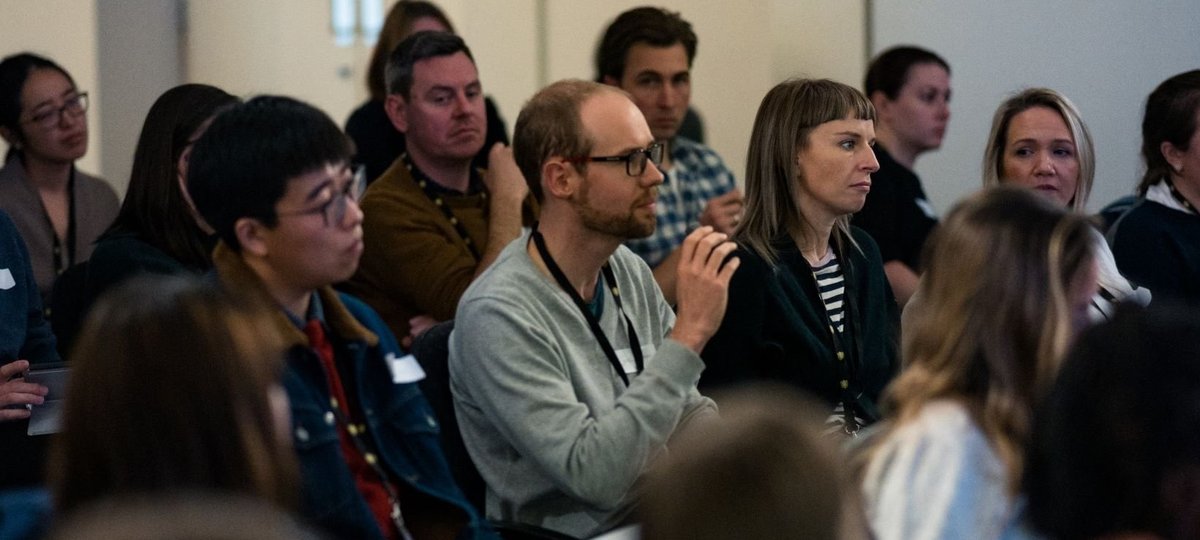
Through the Paediatric Excellence Initiative (PEI), the NIHR GOSH Biomedical Research Centre (BRC) is extending its impact beyond a single organisation - building a connected, collaborative system to accelerate paediatric research across the UK.
The future of paediatric research depends not only on individual excellence, but on collaboration at scale. Working across partner sites in Birmingham, Sheffield and Alder Hey, the PEI is creating a shared infrastructure for developing researchers, enabling talent, ideas and best practice to flow across institutions.
Its impact is already significant.
PEI partners have:
- Leveraged over £1.3 million in external funding
- Established Junior Faculty networks modelled on that of the NIHR GOSH BRC
- Contributed to national events and training programmes
- Collaborated on research projects and capacity-building initiatives
Professor Sir Terrence Stephenson, co-lead of the Career Development Academy said: “We are very proud of what we have achieved through the Paediatric Excellence Initiative (PEI). The funding from the NIHR BRC at GOSH is crucial, but the support and belief from the leadership is truly what drives transformation in this space.
“As a community, we must put aside self-interest or territorialism to drive forward advances in child health, build peer networks and ensure strong leadership for the future. This is what the PEI is achieving.”
Critically, the initiative supports shared learning. Programmes developed at GOSH, such as training models, fellowships and events, are adapted and adopted by partner sites, accelerating progress across the system.
Early career researchers benefit directly from this model, gaining:
- Access to wider networks and expertise
- Opportunities to collaborate nationally
- Greater visibility and support for career progression
Professor Sir Terence Stephenson, co-lead of the Career Development Academy said: “We are very proud of what we have achieved through the Paediatric Excellence Initiative (PEI). The funding from the NIHR BRC at GOSH is crucial, but the support and belief from the leadership is truly what drives transformation in this space.
“As a community, we must put aside self-interest or territorialism to drive forward advances in child health, build peer networks and ensure strong leadership for the future. This is what the PEI is achieving.”
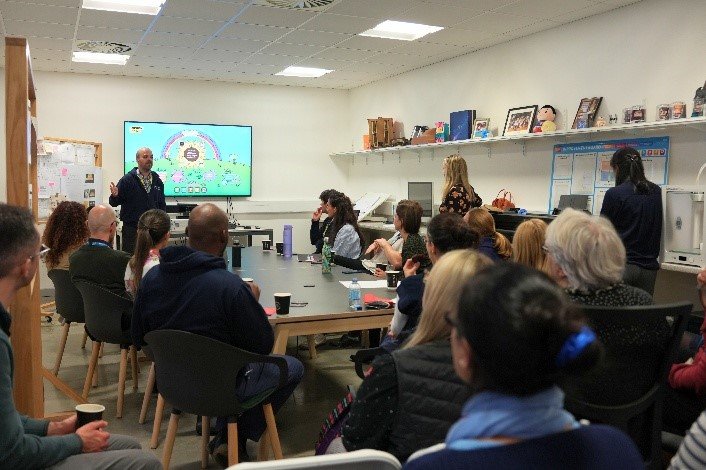
Alder Hey held an inaugural Junior Faculty meeting in November 2025 with over 30 attendees. Local charities, career development and Research and Development staff presented, supported through GOSH Charity funding to the NIHR GOSH BRC.
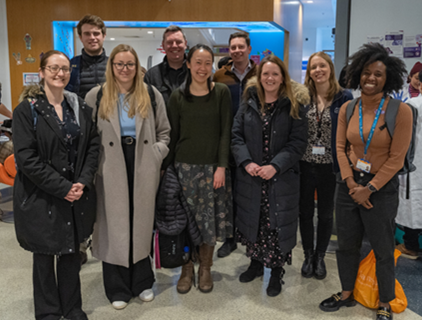
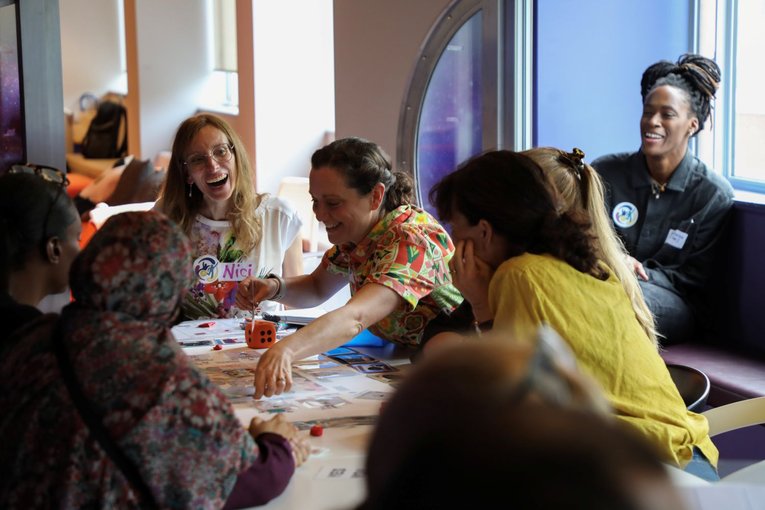
Junior Faculty representatives from across the Paediatric Excellence Initiative met at GOSH in 2023 to share best practise in developing Early Career Researcher networks for paediatric researchers at their Trusts.
World-first same-day metagenomics for children can detect hidden infections in intensive care
GOSH has successfully implemented a pioneering same-day respiratory metagenomics testing service for children in intensive care, helping clinicians identify infections more quickly and make better-informed treatment decision

Celebrating the gift of organ donation
During Organ Donation Week 2026, GOSH hosted its first Donor Family Tea Party, bringing together families whose children gave the extraordinary gift of life through organ donation.

Road closure: Great Ormond Street
There will be a partial closure of Great Ormond Street between 4am on Wednesday 21 and 10pm on Thursday 22 October.
GOSH families at the heart of major £6m project to improve support for children with complex needs
Children, young people and families from GOSH will help shape a major new research programme