
https://www.gosh.nhs.uk/news/research-internships-building-a-more-inclusive-pipeline-into-clinical-academia/
Research internships: building a more inclusive pipeline into clinical academia
22 Jun 2026, 1:19 p.m.

Through our Research Hospital Internship programme, the NIHR GOSH Biomedical Research Centre (BRC) is enabling healthcare professionals from diverse backgrounds to take their first steps into research - transforming careers and strengthening the future workforce. The programme has been running since 2019 and, with recent investment from GOSH Charity, continues to go from strength-to-strength.
For many healthcare professionals, the path into research can feel confusing, daunting and out of reach. The NIHR GOSH BRC Career Development Academy is changing that - starting with its internship programme.
Designed to support wider healthcare professionals (including nurses, AHPs, Pharmacist, HCS and clinical psychologists) by providing protected time (typically one day per week over six months) and peer support to develop research skills and submit a competitive fellowship application.
This seemingly small intervention is delivering major impact. Thanks to the NIHR GOSH BRC investment to the wider health care professional community, GOSH has the most successful clinical academic careers program in the United Kingdom.
Since 2019, NIHR GOSH BRC Research Hospital Internships have:
- Supported 73 professionals to engage in research for the first time
- Leveraged £2.95 million for research projects from just £135k investment in 2025/2026
Interns gain hands-on experience in research design, grant writing and dissemination, often producing publications, conference presentations and new collaborations.

Improve patient experience
"Having the support of the wonderful Multi-Disciplinary Team at GOSH and partners has enabled my idea to improve patient experience develop into a research study, I am so excited to progress my career as a clinical academic and drive positive change for our patients and their families and amplify the paediatric voice within research.”
Perhaps most importantly, the programme is widening participation in research. By targeting professions traditionally under-represented in clinical academia, the internships are helping to:
- Diversify the research workforce
- Bring new perspectives into patient-centred research
- Embed research within clinical practice
This is our Intelligent Research Hospital ethos in action - creating research opportunities where they did not previously exist, and ensuring that the future of paediatric research reflects the full breadth of the healthcare community.

Protected time
"Not only did I get protected time to work on my research but also access to experts and teaching which resulted in successful NIHR Award.”

Great support
"This was an amazing opportunity to develop a Pre-Clinical Academic Fellowship application, with fantastic guidance and support from Dr O’Connor"
If you’d like to find out more about the next Research Hospital internship or speak to a past recipient, get in touch: The NIHR GOSH BRC Team, brc@gosh.nhs.uk and the NIHR GOSH BRC Clinical Academic Careers lead Graeme O’Connor, Graeme.O'Connor@gosh.nhs.uk

Message to our patients and patient families following London-wide power outage
Following a London-wide power outage today, we experienced some local issues at GOSH.

GOSH surgeon receives prestigious international award
Professor Paolo De Coppi, Consultant Paediatric Surgeon at Great Ormond Street Hospital (GOSH), has been recognised as an Honorary Fellow of the American College of Surgeons (ACS), one of the most prestigious honours in global surgery.
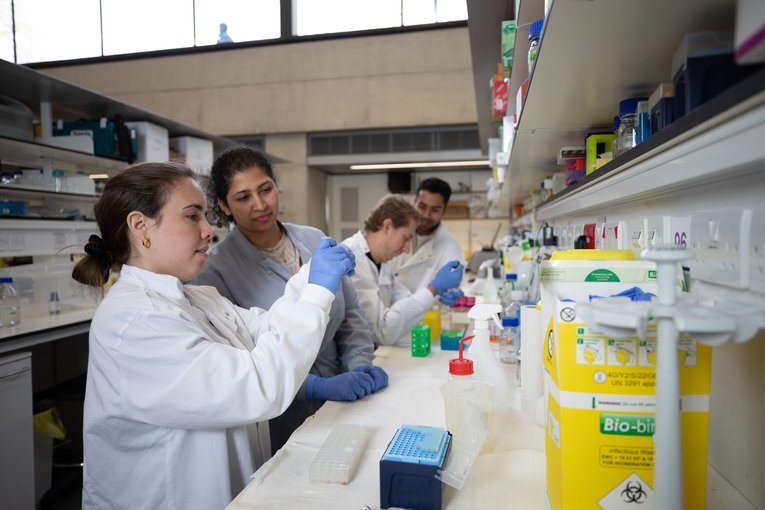
Researchers funded to cure inflammatory disease
Researchers from University College London (UCL) and Great Ormond Street Hospital (GOSH) will join researchers across the UK and international partners in a bid to transform how chronic inflammatory disease is treated.
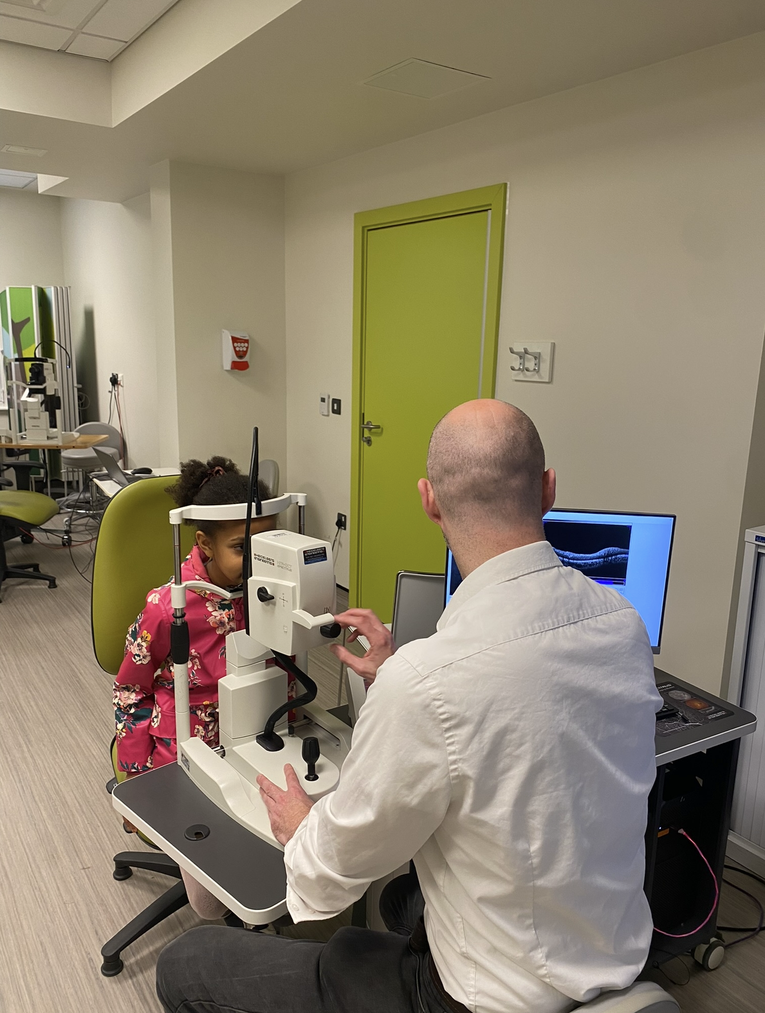
Innovative imaging project aims to save children’s sight
Researchers from GOSH and UCL are leading a project that could transform how children at risk of sight loss are monitored, by adapting advanced eye imaging technology for use closer to home