
https://www.gosh.nhs.uk/news/families-and-researchers-come-together-for-bpan-family-day/
Families and researchers come together for BPAN Family Day
15 Jun 2026, 12:10 p.m.
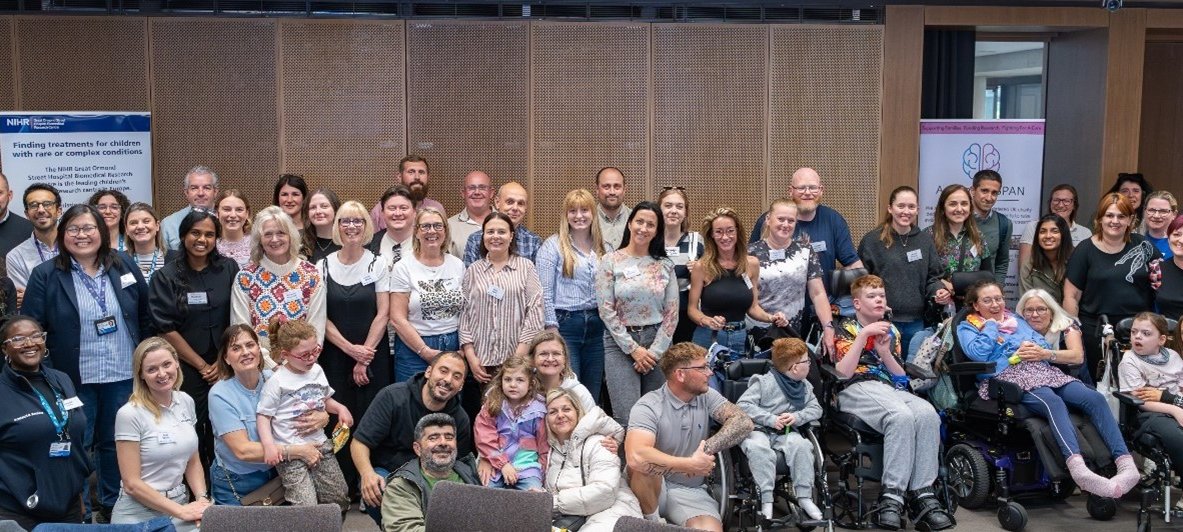
Families affected by a rare neurological condition came together with clinicians and researchers at Great Ormond Street Hospital (GOSH) to share experiences, build connections and shape the future of care and research.
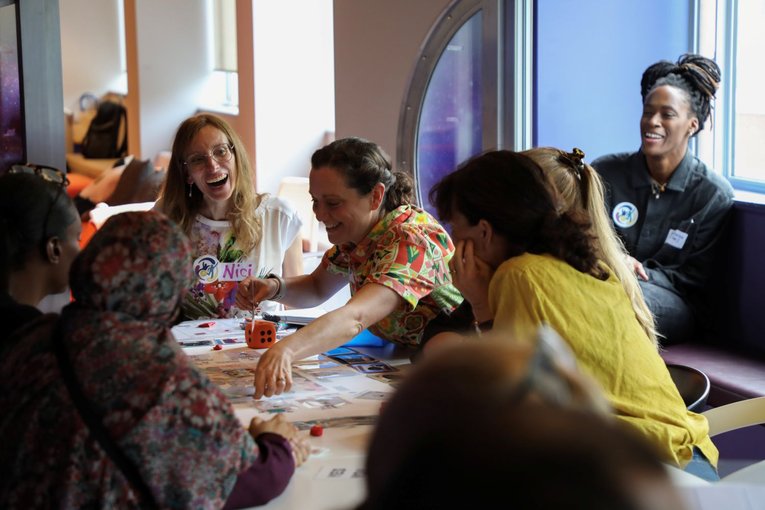
The BPAN Family Day, held on 18 April 2026 at the Zayed Centre for Research into Rare Disease, brought together families from across the UK both in person and online. The event was organised by Action for BPAN, Professor Manju Kurian and the NIHR GOSH Biomedical Research Centre.
The day created a valuable space for families to meet others with shared experiences, while also hearing from experts working to better understand and treat the condition.
Children attending the event also took part in creative activities, including a music session run by Embracing Arts, helping to create a welcoming and supportive atmosphere for families.
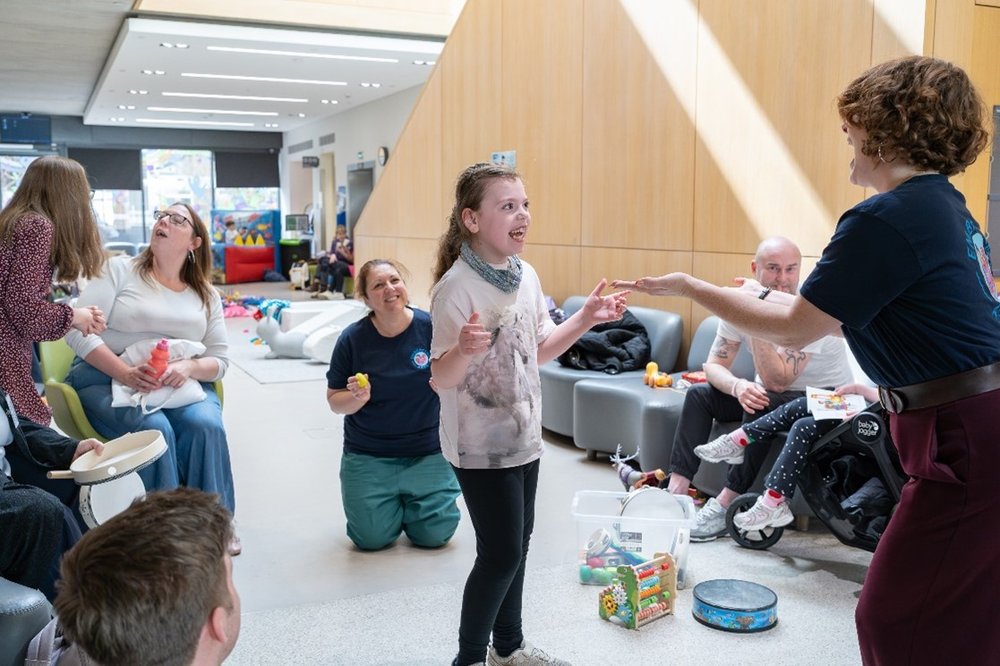
Child enjoying the music session ran by Embracing Arts in the Play Area.
What is BPAN?
Beta-Propeller Protein-Associated Neurodegeneration (BPAN) is a very rare genetic condition that affects the brain.
Children with BPAN typically have developmental challenges from an early age, such as delays in learning to speak or move. As they get older, many experience a gradual worsening of their symptoms, which can include problems with movement, seizures and the loss of skills they had previously developed.
Specialist teams at GOSH support children with BPAN and their families, combining expert care with research to better understand the condition.
Driving research and future treatments
There are currently no cures or specific treatments for BPAN. However, research is underway to better understand the condition and develop new therapies.
At the Family Day, leading researchers and clinicians shared updates on ongoing work, including early-stage research into potential genetic therapies. Bringing together experts from GOSH, UCL Great Ormond Street Institute of Child Health and other partners helped highlight the importance of collaboration in accelerating progress.
Hearing directly from families also plays a crucial role in shaping research priorities and improving care.
Building a supportive community
The event also highlighted the important role of Action for BPAN, the UK’s first charity dedicated to funding research into BPAN.
The charity works closely with families to provide support, share updates on research progress, and connect people affected by the condition. For many families, access to clear and up-to-date information can make a significant difference.
A shared commitment to improving lives
Professor Manju Kurian, Professor of Neurogenetics and Consultant Paediatric Neurologist, said: “BPAN is a devastating diagnosis for families. There is an urgent need for treatments that can improve quality of life and reduce the risk of early death.
Events like our BPAN Family Day help us better understand what matters most to patients and families, and guide our priorities for both care and research.”
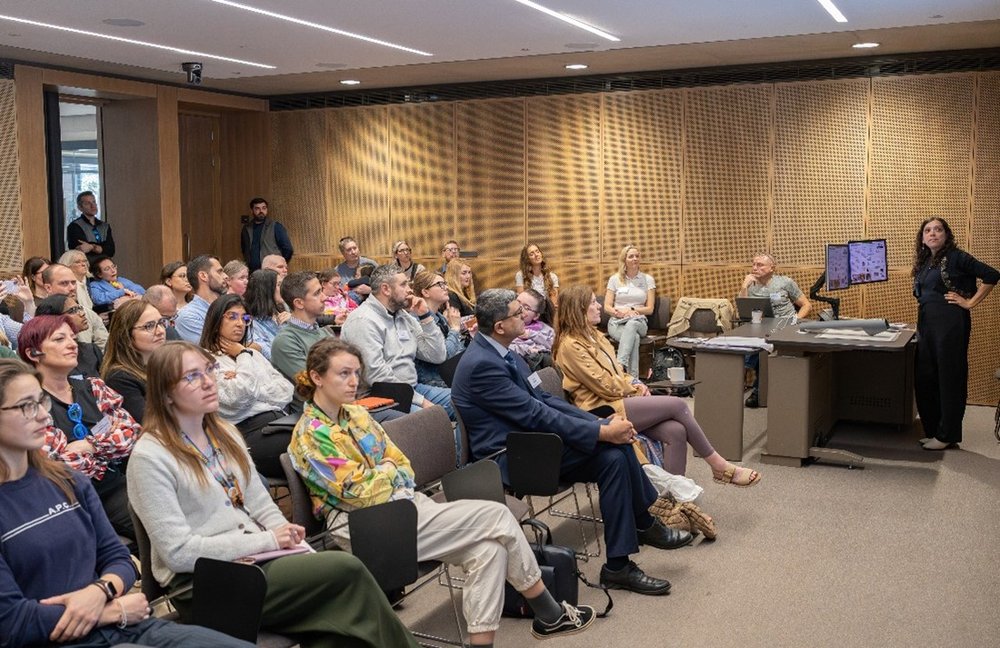
Professor Kurian shares the latest breakthroughs with families affected by BPAN
World-first same-day metagenomics for children can detect hidden infections in intensive care
GOSH has successfully implemented a pioneering same-day respiratory metagenomics testing service for children in intensive care, helping clinicians identify infections more quickly and make better-informed treatment decision

Celebrating the gift of organ donation
During Organ Donation Week 2026, GOSH hosted its first Donor Family Tea Party, bringing together families whose children gave the extraordinary gift of life through organ donation.

Road closure: Great Ormond Street
There will be a partial closure of Great Ormond Street between 4am on Wednesday 21 and 10pm on Thursday 22 October.
GOSH families at the heart of major £6m project to improve support for children with complex needs
Children, young people and families from GOSH will help shape a major new research programme