
https://www.gosh.nhs.uk/news/london-zoo-penguin-chick-named-after-gosh-ward-to-celebrate-new-partnership/
London Zoo penguin chick named after GOSH ward to celebrate new partnership
5 Aug 2026, 10 a.m.
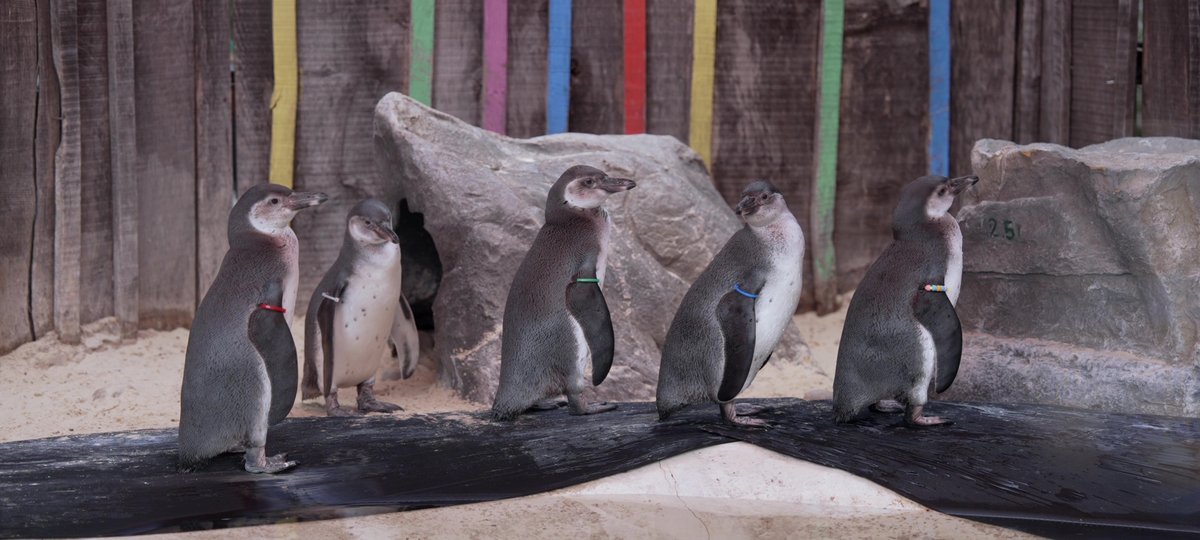
A Humboldt penguin chick, that hatched on 30 April at ZSL London Zoo this year, has been named Mildred, celebrating the start of a special partnership between the Zoo and Great Ormond Street Hospital for Children.
The partnership forms part of our new Green Care programme which aims to harness the power of nature and outdoor spaces to improve wellbeing for all patients and families at GOSH.
Together, London Zoo and GOSH will co-develop activities that support children and young people with their treatment and recovery. Patients from our Mildred Creak Unit (MCU), which treats young people with a range of mental health conditions, have worked with the Zoo to create the programme, ensuring it reflects their experiences and the kind of nature-based activities they would most benefit from.
All Wards at GOSH are usually named after animals, but MCU honours the work of child psychiatrist Mildred Creak. As both the first consultant psychiatrist at GOSH and the first woman at the hospital to achieve consultant status, Mildred Creak played a transformative role in improving the care for children with a range of mental health conditions. Now the Zoo’s first penguin chick of 2026 will share her name, giving patients on the ward a special wildlife connection just a few miles away.
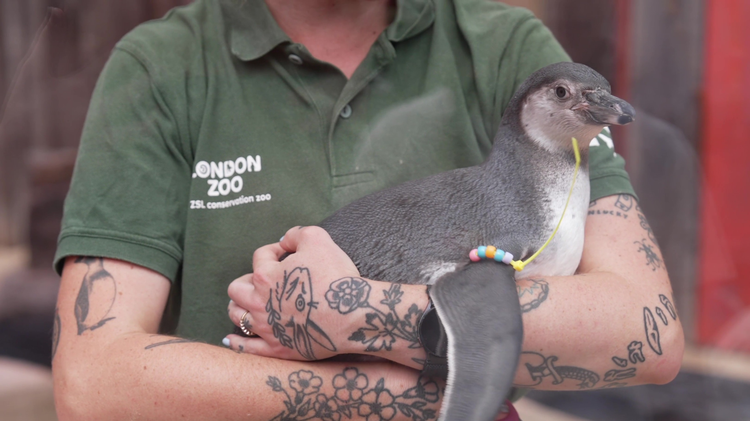
Mildred with a London Zoo Zookeeper
Last week young people from MCU visited London Zoo to meet Mildred, feed her pool-mates and learn about her care. They also watched her have her unique identification band fitted which they designed with the zookeepers.
Carly Vassar, Chief of Mental Health at GOSH said: “Children and young people at our hospital often have really challenging journeys and they’ve told us they can feel lonely or isolated which has a serious impact on their mental and physical health.
“Our new Green Care programme aims to tackle this, by bringing nature to our families to support their recovery and help them cope, grow and thrive. This partnership with London Zoo is so special – our patients will follow Mildred as she grows and know there is a little bit of GOSH just down the road at the Zoo.”
GOSH’s Green Care programme was created following the development of our first Mental Health Framework which outlines a vision whereby all children and young people who come to GOSH are supported with their mental health, whether or not they have a diagnosed condition.
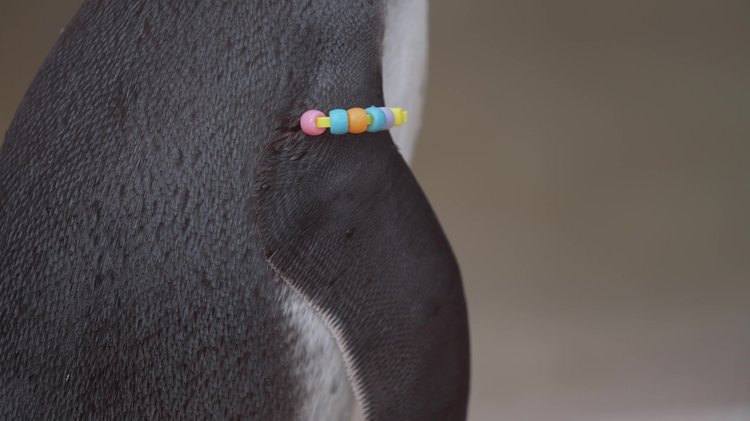
Mildred's colourful identification band which was designed by the young people on Mildred Creak Unit
MCU patients have already been working with Spitalfields City Farm on a pilot programme with weekly sessions focused on animal care, horticulture, and nature-based crafts. These activities were designed to foster connection with the natural environment, encourage physical activity, and provide opportunities for social interaction and skill development. Patients consistently reported an increase in their mood, social interaction and confidence.
Carly added: “Our Green Care programme is one of the flagship streams of work in GOSH’s Together We Power Care Strategy. We want to be the first paediatric healthcare service in the world to create an outdoor environment programme specifically designed for delivering psychological interventions whilst ensuring we capture and share the evidence of its impact for others to learn.”
World-first same-day metagenomics for children can detect hidden infections in intensive care
GOSH has successfully implemented a pioneering same-day respiratory metagenomics testing service for children in intensive care, helping clinicians identify infections more quickly and make better-informed treatment decision
Celebrating the gift of organ donation
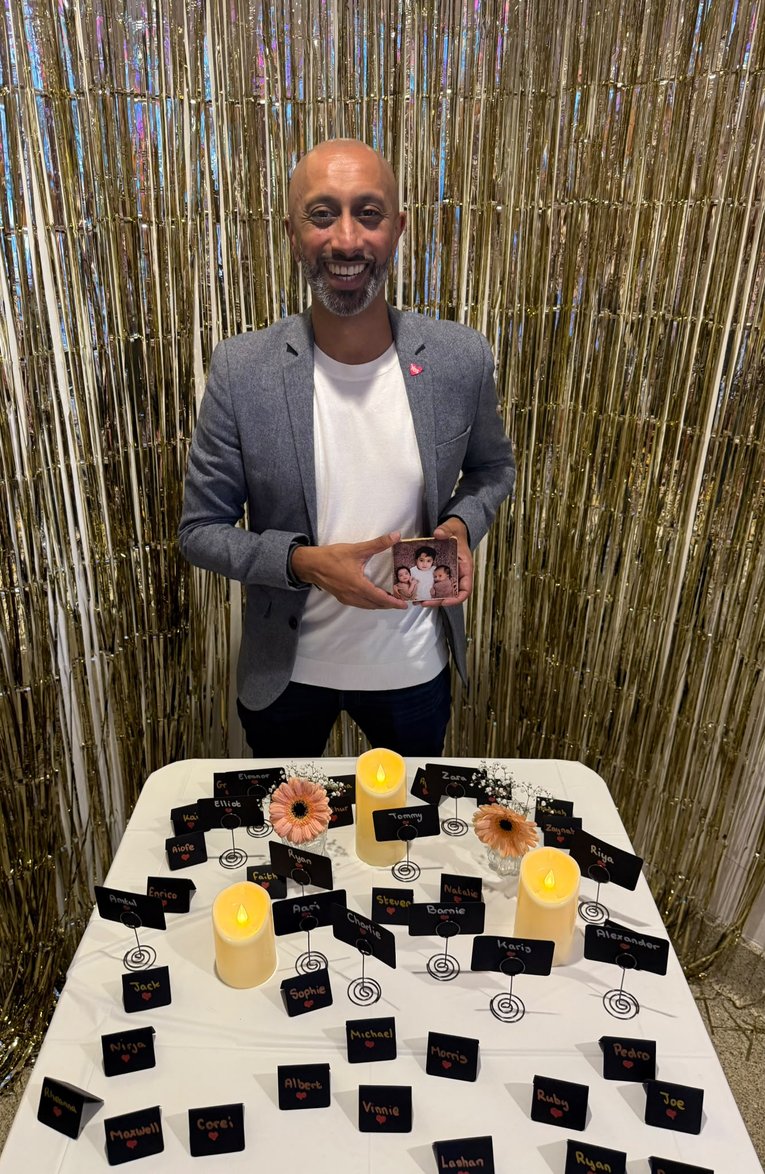
During Organ Donation Week 2026, GOSH hosted its first Donor Family Tea Party, bringing together families whose children gave the extraordinary gift of life through organ donation.

Road closure: 28 and 30 Oct - Great Ormond Street
Postponed: There will be a partial closure of Great Ormond Street between 4am on Wednesday 21 and 10pm on Thursday 22 October.
GOSH families at the heart of major £6m project to improve support for children with complex needs
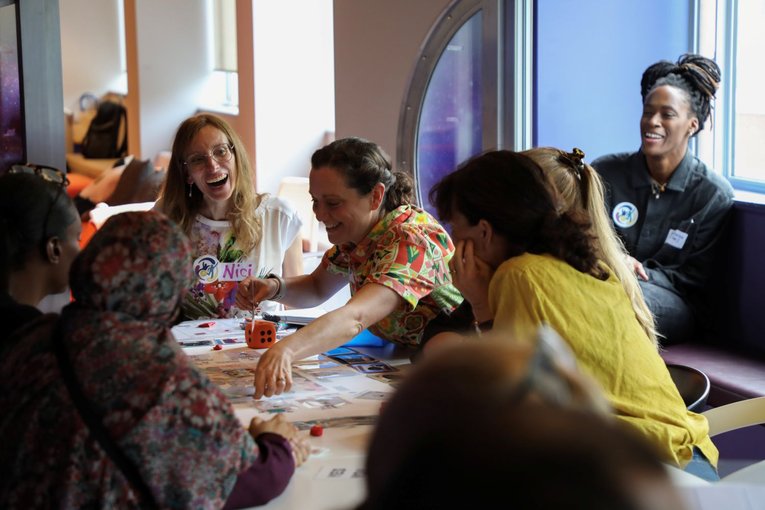
Children, young people and families from GOSH will help shape a major new research programme