
https://www.gosh.nhs.uk/news/bagri-family-philanthropy-enables-ucl-study-into-rare-childhood-neurological-condition-treated-at-gosh/
Bagri family philanthropy enables UCL study into rare childhood neurological condition treated at GOSH
11 Aug 2026, 3:14 p.m.
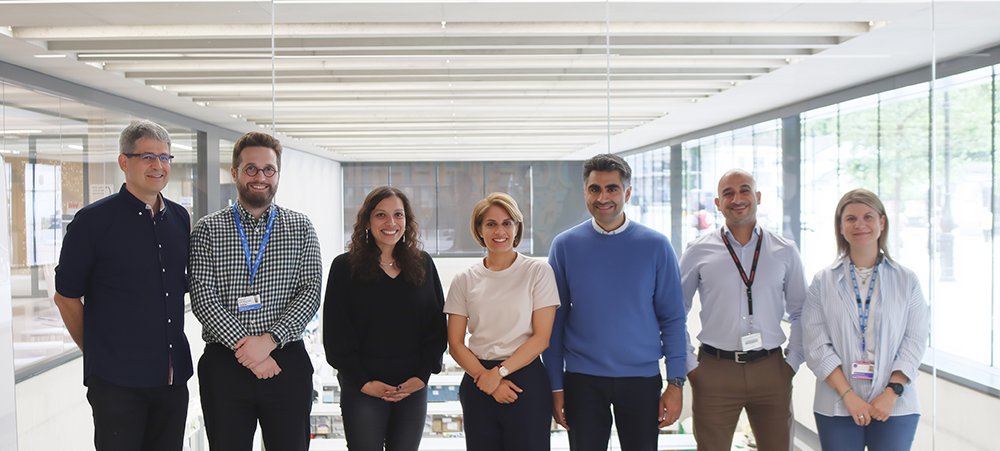
A generous donation from the Bagri family will underpin a landmark University College London (UCL) study into gene-editing treatments for Dihydropteridine reductase deficiency (DHPR deficiency), an ultra-rare childhood neurological condition, treated at Great Ormond Street Hospital (GOSH).
The study is led by Professor Manju Kurian, Consultant Paediatric Neurologist at GOSH and Professor of Neurogenetics at the UCL Great Ormond Street Institute of Child Health, alongside a team, including Professor Paul Gissen, Consultant in Inherited Metabolic Diseases at GOSH and Professor of Paediatric Metabolic Medicine at UCL.
DHPR deficiency is caused by changes to a gene known as QDPR, leading to insufficient levels of dopamine and serotonin, which are vital for brain development and function.
In early infancy, the condition can be characterised by low muscle tone, developmental delay, movement disorders, feeding problems, sleep disturbance and seizures. Clinical management currently relies on a restrictive lifelong low-protein diet alongside medication. While this approach can improve some biochemical measures, it does not address the underlying genetic cause of the condition.
Through their clinical roles at GOSH, Professors Kurian and Gissen see first-hand the complexity of managing conditions such as DHPR deficiency, the limitations of current treatments and the urgency felt by affected families. Informed by these very same lived realities, the Bagri Family’s support reflects a commitment to increasing focus, visibility and investment in rare diseases.
The donation will support a major UCL research programme, to be known as the Bagri CURE-DHPR Study, which will seek to provide a basis for treatments that address the underlying cause.
Professor Kurian and her team plan to develop and test precise gene-editing strategies with the potential to restore meaningful enzyme activity. The work will utilise the joint research and clinical infrastructure of UCL, including the Zayed Centre for Research in the UCL Great Ormond Street Institute of Child Health and the UCL School of Pharmacy.
The Bagri CURE-DHPR Study illustrates why rare disease research matters: grounded in the realities of specialist care at GOSH, it brings together clinical insight, lived experience and UCL’s research expertise to open new possibilities for children and families. Professor
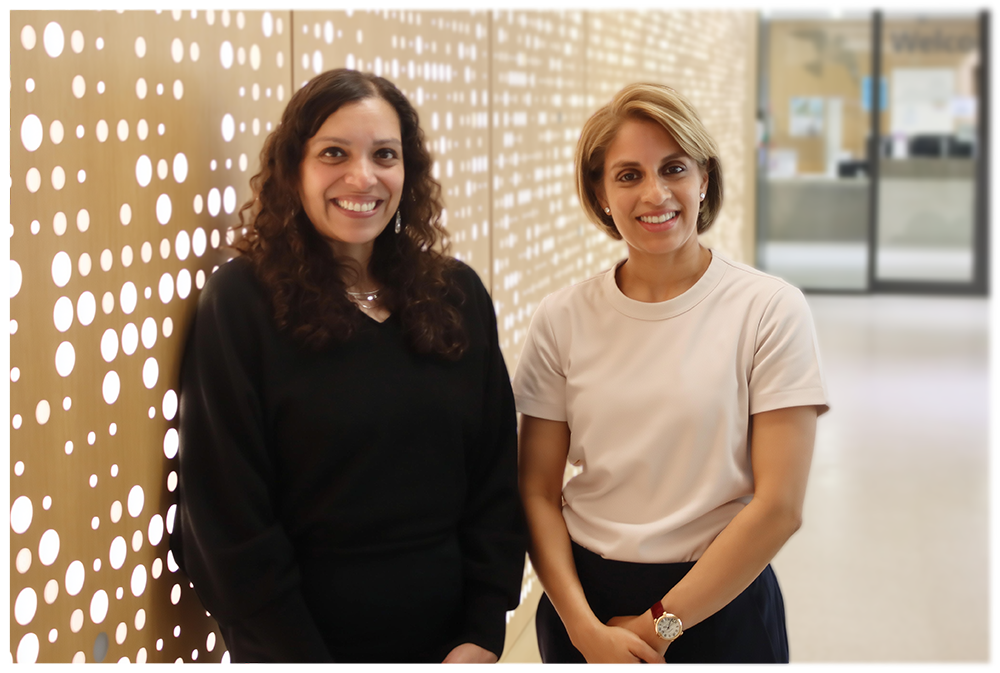
Manju Kurian said:
“Today, children born with DHPR deficiency are sadly likely to experience long term neurological complications. With the Bagri family, we share the ambition to change that. We are hugely grateful for their vital support in our joint mission to establish whether precise correction of relevant gene variants is the key to changing the course of this disease.”
Amisha Bagri said:
“For families affected by rare disease, progress can never come quickly enough. We are proud to partner with UCL in advancing rigorous preclinical research into DHPR deficiency. This work is an important step in building the scientific foundations needed to better understand the condition, explore future treatment possibilities, and contribute to knowledge that may benefit the wider rare disease community.”

Message to our patients and patient families following London-wide power outage
Following a London-wide power outage today, we experienced some local issues at GOSH.

GOSH surgeon receives prestigious international award
Professor Paolo De Coppi, Consultant Paediatric Surgeon at Great Ormond Street Hospital (GOSH), has been recognised as an Honorary Fellow of the American College of Surgeons (ACS), one of the most prestigious honours in global surgery.
Researchers funded to cure inflammatory disease
Researchers from University College London (UCL) and Great Ormond Street Hospital (GOSH) will join researchers across the UK and international partners in a bid to transform how chronic inflammatory disease is treated.
Innovative imaging project aims to save children’s sight
Researchers from GOSH and UCL are leading a project that could transform how children at risk of sight loss are monitored, by adapting advanced eye imaging technology for use closer to home