https://www.gosh.nhs.uk/news/update-regarding-recent-media-coverage-october-2025/
Update regarding recent media coverage – October 2025
12 Oct 2025, 8:25 a.m.
A story running in the Sunday Times this weekend references the safeguarding process at Great Ormond Street Hospital (GOSH).
We know the content of the article may be worrying for patients and families and we would like to reassure you that we take all safeguarding concerns, including potential instances of Fabricated or Induced Illness, very seriously and follow national guidance in everything we do.
We have a duty of care to all our patients and will always act in their best interests. While we appreciate being involved in safeguarding processes may be difficult for our families in the cases where they happen, we have a duty to act where we have concerns. We will always try to resolve concerns early and to work with families to offer them all possible care and support.
Safeguarding at GOSH
We are dedicated to promoting the welfare of all our patients, ensuring they have access to appropriate welfare and social support where required, and that patients are safeguarded from harm.
Like all other hospitals, if our staff members or patient families have a concern about the safety or welfare of a child, young person, or vulnerable adult we have an agreed process to raise concerns.
We have a number of safeguarding policies that are in line with current national guidance, and all our staff receive safeguarding training. This training is regularly reviewed and updated in line with national policies.
We also have a dedicated safeguarding team who support our staff and families to safeguard children, young people and vulnerable adults.
You can read more about safeguarding at GOSH on our website.
What happens when a safeguarding concern is raised?
All safeguarding concerns raised are reviewed by our safeguarding team. When concerns are raised, we work closely with the individuals involved to ensure that everyone is clear on the process and how best to protect our patients.
If you feel the clinical team have inappropriately raised a concern, the safeguarding team will be able to provide support and information about any next steps.
What is Fabricated or Induced Illness?
Fabricated or induced illness (FII) is a rare form of child abuse. It is a clinical situation in which a child is, or is very likely to be, harmed due to parent(s) behaviour and action, carried out in order to convince doctors that the child’s state of physical and/ or mental health and neurodevelopment is impaired (or more impaired than is actually the case). It results in physical and emotional abuse and neglect, and is raised as a safeguarding concern.
As part of our duties to safeguarding children, our clinicians have a duty of care to investigate and escalate these situations. If it is a serious matter that needs to be investigated further, the relevant statutory bodies may become involved.
Further information
We would encourage any patient or family member who has questions or concerns about their care to contact your child’s clinical team. If you don’t feel comfortable raising it with them, our Patient Advice and Liaison Service who can assist you. They can be contacted on 0207 829 7862 or pals@gosh.nhs.uk between 10am-5pm, Monday to Friday.
World-first same-day metagenomics for children can detect hidden infections in intensive care
GOSH has successfully implemented a pioneering same-day respiratory metagenomics testing service for children in intensive care, helping clinicians identify infections more quickly and make better-informed treatment decision
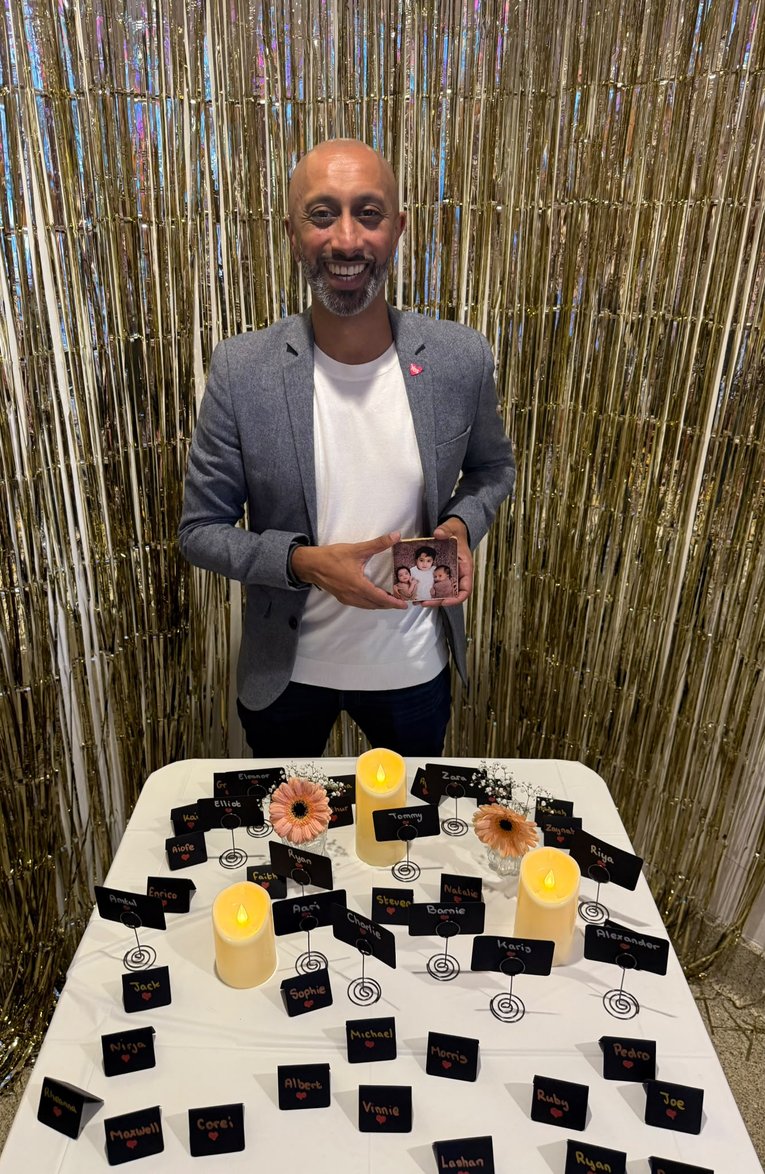
Celebrating the gift of organ donation
During Organ Donation Week 2026, GOSH hosted its first Donor Family Tea Party, bringing together families whose children gave the extraordinary gift of life through organ donation.

Postponed - Road closure: Great Ormond Street
Postponed: There will be a partial closure of Great Ormond Street between 4am on Wednesday 21 and 10pm on Thursday 22 October.
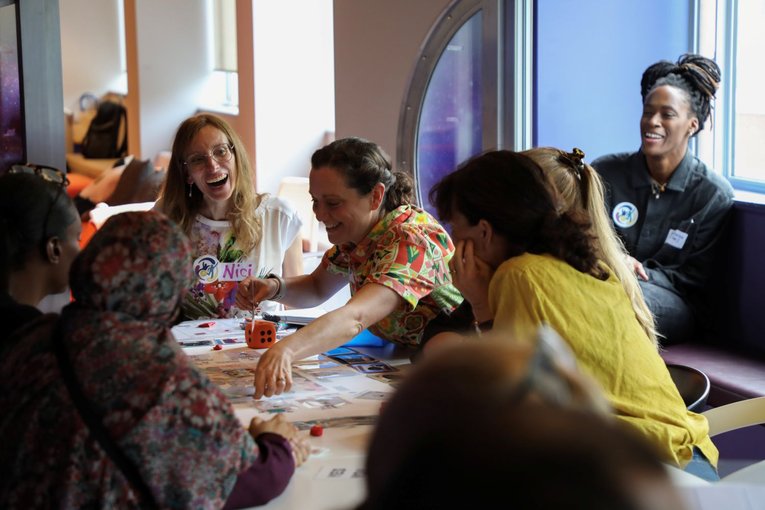
GOSH families at the heart of major £6m project to improve support for children with complex needs
Children, young people and families from GOSH will help shape a major new research programme