
https://www.gosh.nhs.uk/news/first-uk-baby-receives-pioneering-surgery-in-the-womb-for-rare-bowel-condition/
First UK baby receives pioneering surgery in the womb for rare bowel condition
3 Aug 2026, 8 a.m.

A baby boy has become the first child in the UK to undergo pioneering surgery while still in the womb for gastroschisis, a rare condition where a baby’s intestines develop outside the body.
The procedure is part of a new international feasibility study led by Texas Children’s Hospital, in partnership with experts at Great Ormond Street Hospital (GOSH) and KU Leuven, aiming to improve outcomes for babies with the most severe forms of the condition. As part of this, GOSH works closely with University College London Hospitals, which initially treats the expectant mothers. A total of three children have had the treatment world-wide.
Gastroschisis occurs when a baby’s abdomen does not fully develop during pregnancy, leaving the intestines exposed to amniotic fluid. The condition affects around 200–300 babies in the UK each year and is typically identified during the mothers’ 20-week ultrasound scan.
Currently, babies with gastroschisis require surgery shortly after birth to place the intestines back inside the body. In more complex cases, this can take several operations over a number of days. Recovery involves long hospital stays for weeks or months and feeding through a vein while the intestines heal and begin to function. The most severe cases can lead to life-threatening and life-changing complications, including damage to the intestines and the need for multiple surgeries and feeding through the bloodstream.
The new in-utero procedure aims to repair the condition before a baby is born. Surgeons carefully access the uterus between 25 and 27 weeks to reach the unborn baby and operate while maintaining the safety of both mother and child.
This approach builds on techniques already used for conditions such as spina bifida but has not previously been applied to conditions affecting the gut. By repositioning the intestines earlier in the baby’s development, the team hopes to prevent the damage that can occur in the womb and improve outcomes after birth.
Future developments as part of the trial will explore whether the surgery can be carried out using even less invasive techniques, further improving recovery for mothers.
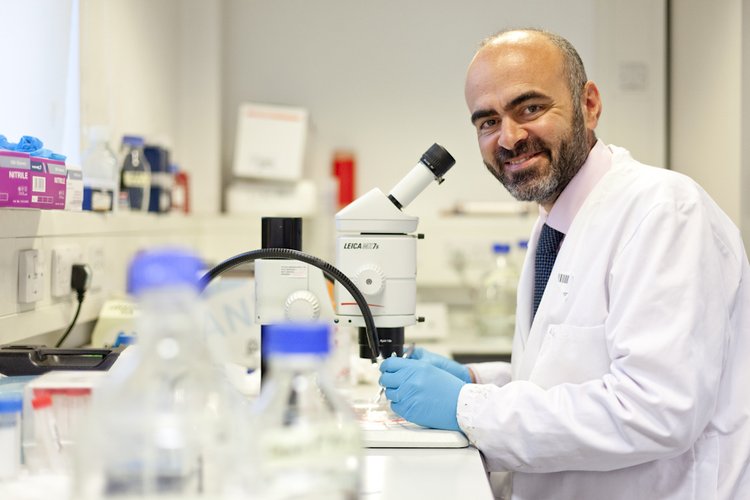
Paolo De Coppi
Professor Paolo De Coppi, NIHR and Nuffield Professor of Paediatric Surgery at UCL Great Ormond Street Institute of Child Health (UCL GOS ICH) and Consultant Fetal and Paediatric Surgeon at GOSH and part of the trial team, said: “Previous success rates with spina bifida indicate this could essentially offer a cure for gastroschisis. If the results are positive, we hope this could become the standard operation for complex gastroschisis cases. Families can go home sooner after birth with a healthy baby that shows few signs of their bumpy start in life - the whole process has been very exciting and a big team effort.”
Professor De Coppi is also Co-lead of the Tissue engineering and Regenerative Medicine Theme at the NIHR GOSH Biomedical Research Centre. He went on to say: “Working internationally allows us to offer pioneering techniques to change lives for families. Ultimately, they go on this research journey with us and we are so grateful to them for their trust in us. The baby boy is doing remarkably well at 3 months old and we are thrilled for all involved.”
World-first same-day metagenomics for children can detect hidden infections in intensive care
GOSH has successfully implemented a pioneering same-day respiratory metagenomics testing service for children in intensive care, helping clinicians identify infections more quickly and make better-informed treatment decision
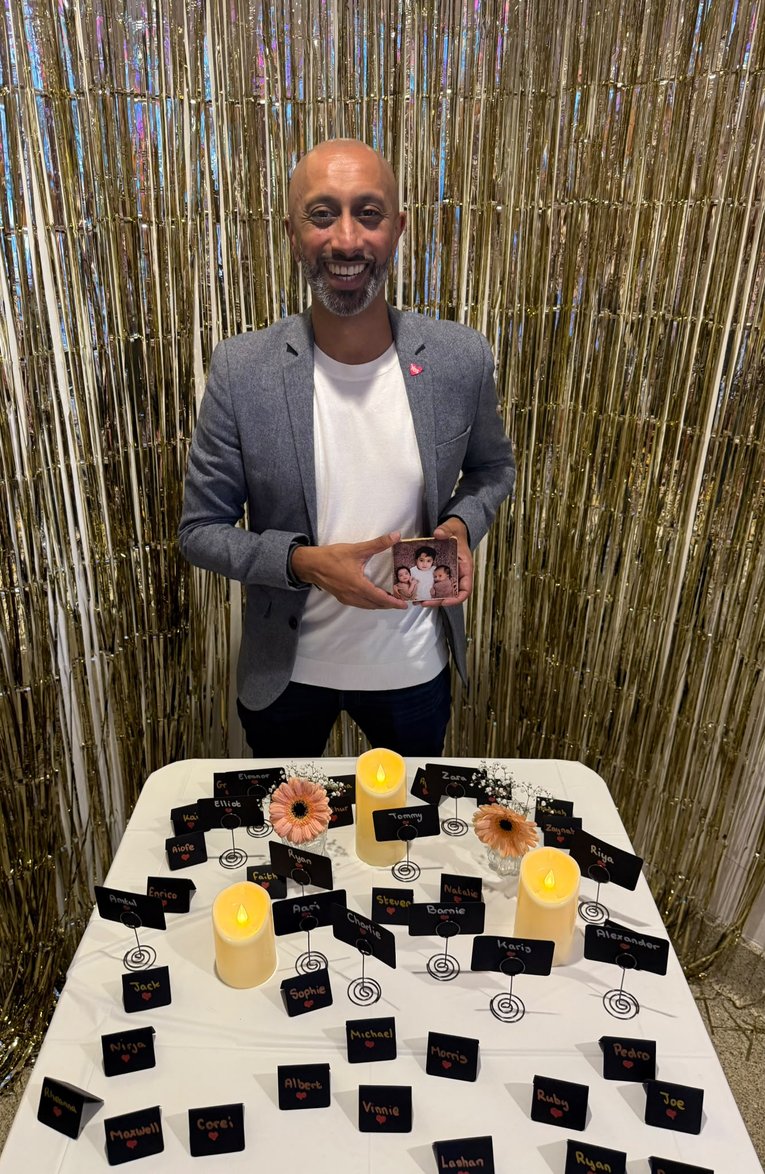
Celebrating the gift of organ donation
During Organ Donation Week 2026, GOSH hosted its first Donor Family Tea Party, bringing together families whose children gave the extraordinary gift of life through organ donation.

Postponed - Road closure: Great Ormond Street
Postponed: There will be a partial closure of Great Ormond Street between 4am on Wednesday 21 and 10pm on Thursday 22 October.
GOSH families at the heart of major £6m project to improve support for children with complex needs
Children, young people and families from GOSH will help shape a major new research programme