https://www.gosh.nhs.uk/our-research/recent-impact-of-research-and-innovation/advances-treatment-severe-immune-disorder-wiskott-aldrich-syndrome/
Advances in the treatment of the severe immune disorder Wiskott-Aldrich syndrome
20 Nov 2017, 2:29 p.m.

Researchers at Great Ormond Street Hospital (GOSH) have made an important breakthrough in understanding how the immune system becomes disrupted in Wiskott-Aldrich syndrome (WAS), a genetic disorder where the patient’s immune cells begin attacking their own body.This advancement could open up new options for potential drug targets for this rare condition. The team found that disruption of a molecule called WASp causes the cell’s structural skeleton to be disrupted meaning that cells lose their ability fight bacterial infections. This leads to inflammation, bleeding, eczema and other skin infections, with the most severely affected patients often needing to spend time in hospital. This research, was led by Professor Adrian Thrasher, NIHR GOSH Biomedical Research Centre theme lead for Gene, Stem and Cellular Therapies and published in Nature Communications.
Professor Thrasher’s team are also pioneering cutting edge new gene therapy treatments for WAS. In 2015, children with severe WAS were successfully treated using a state-of-the-art gene therapy technology. More recently Professor Thrasher’s team have applied this same approach to the treatment of a 30 year old patient with WAS. After 20 months the patient’s immune cells had been restored and the blood vessels were less inflamed. WAS affects between one and 10 children in every million worldwide and although the condition can be successfully treated with a bone marrow transplant, this relies on donors being a good match for patients. Without transplantation, patients with WAS often don’t survive in to their twenties. This new research, which was published in Blood, shows that gene therapy is a viable treatment for adults and children with severe forms of the disease, for whom bone marrow transplantation is not possible or would be too risky.
This research was supported by the NIHR Biomedical Research Centres at GOSH and UCL Hospitals, GOSH Children's Charity and the Wellcome Trust.
World-first same-day metagenomics for children can detect hidden infections in intensive care
GOSH has successfully implemented a pioneering same-day respiratory metagenomics testing service for children in intensive care, helping clinicians identify infections more quickly and make better-informed treatment decision
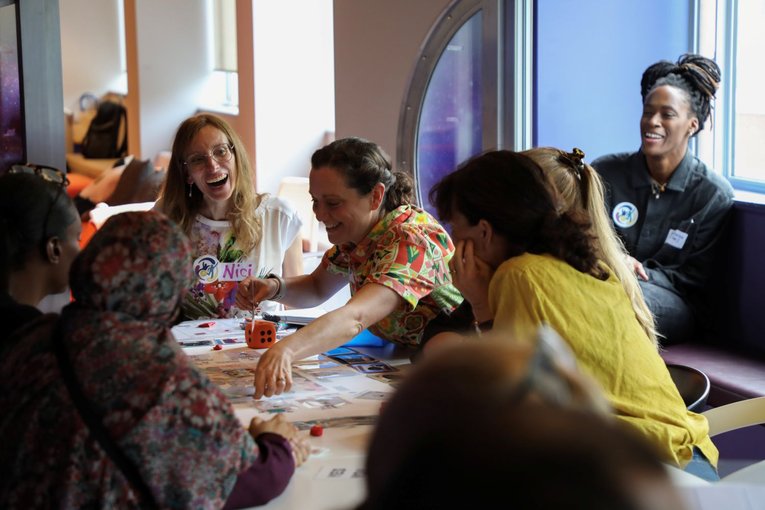
GOSH families at the heart of major £6m project to improve support for children with complex needs
Children, young people and families from GOSH will help shape a major new research programme
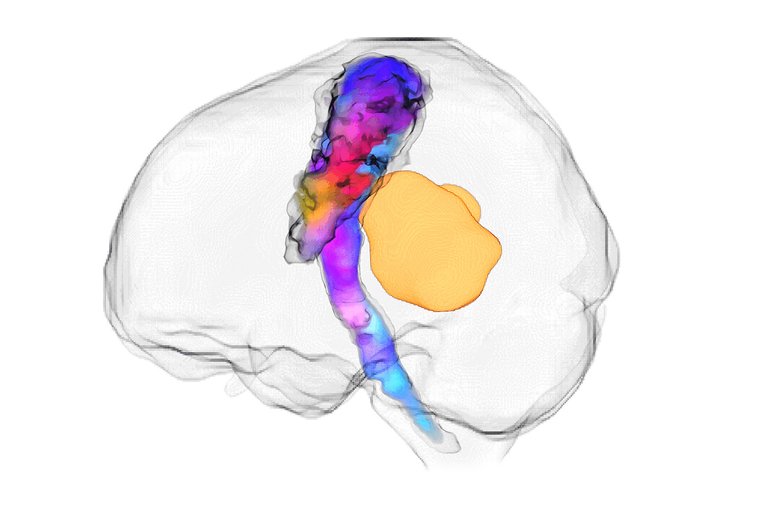
New Fellowship to develop the next generation of paediatric neuro-oncology specialists
The Tessa Jowell Brain Cancer Mission has launched it's first Paediatric Neuro-Oncology Fellowship, to support the development of specialists caring for children with brain cancers
Thousands join world-first trial to save lives of critically ill children
Some of the sickest children in the UK have started to join an innovative clinical trial designed to improve the survival and recovery of children requiring intensive care treatment, led by GOSH.