
https://www.gosh.nhs.uk/news/seven-years-of-discovery-seven-researchers-transforming-childrens-lives-at-the-zayed-centre-for-research/
Seven years of discovery: seven researchers transforming children's lives at the Zayed Centre for Research
9 Nov 2026, 2:55 p.m.
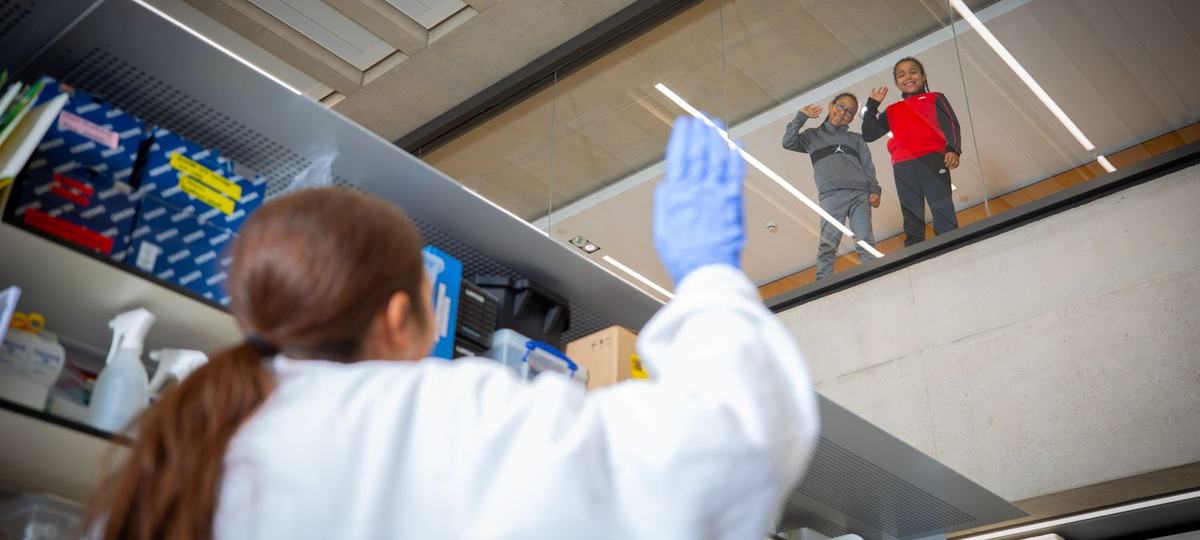
Seven years ago, the Zayed Centre for Research into Rare Disease in Children (ZCR) opened its doors with an ambitious vision: to bring scientists, clinicians and families together under one roof to accelerate discoveries for children with rare and complex conditions.
Since then, the centre has become a hub for world-leading research, helping to deliver pioneering gene therapies, genomic diagnoses, regenerative medicine and innovative treatments that are changing children's lives.
To mark the centre's seventh anniversary, we're spotlighting seven researchers whose work captures the breadth, ambition and patient-focused spirit of the ZCR.
Professor Manju Kurian - Decoding rare neurological diseases
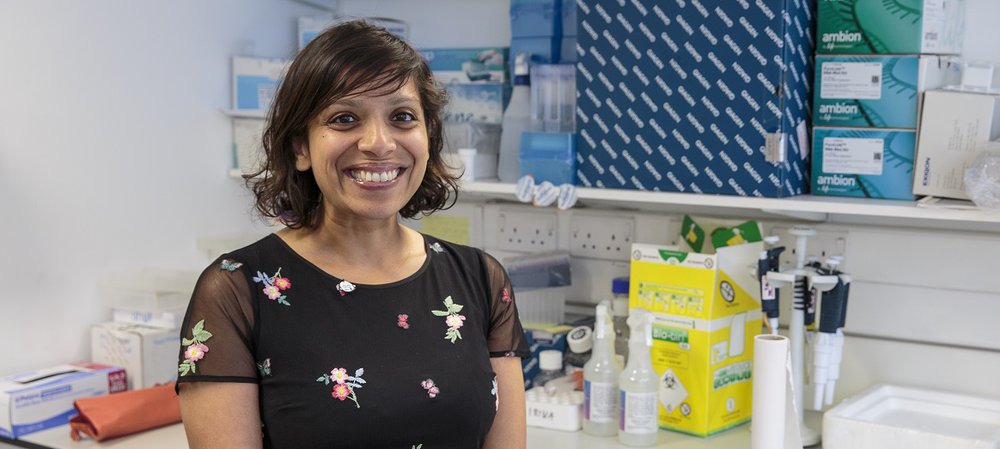
Professor Manju Kurian, a Consultant Paediatric Neurologist at GOSH and Professor of Neurogenetics at UCL focuses her research on identifying the genetic causes of childhood neurological disorders, including movement disorders and neurodegeneration.
Working closely with patients and families, Professor Kurian's team investigates how genetic changes disrupt the developing brain and uses advanced models to develop precision therapies, including novel gene therapy approaches. Her ultimate goal is simple but profound: translating laboratory discoveries into better diagnoses and treatments for children living with devastating neurological conditions. She leads the Accelerating Novel Therapies theme of the NIHR GOSH Biomedical Research Centre.
Professor Paolo De Coppi - Reimagining what's possible in surgery
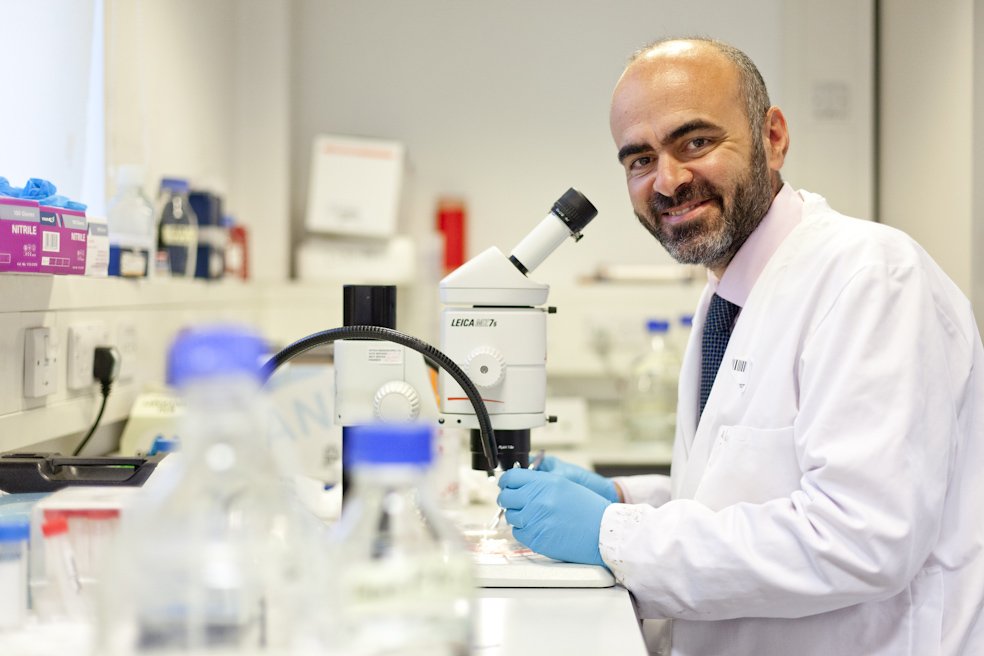
A surgeon, scientist and pioneer of regenerative medicine, Professor Paolo De Coppi has spent his career pushing the boundaries of what medicine can achieve for children born with complex conditions. As Consultant Paediatric Surgeon at GOSH and leader of regenerative medicine research at UCL Great Ormond Street Institute of Child Health, his work spans stem cells, tissue engineering and innovative surgical techniques.
From developing new approaches to repairing damaged tissues, even before birth, to helping pioneer tissue-engineered solutions for congenital anomalies, Professor De Coppi's research aims to give children treatment options that previously did not exist. His work exemplifies the Zayed Centre's commitment to turning breakthrough science into real-world patient benefit. He is co-lead of the Tissue Engineering and Regenerative Medicine theme of the NIHR GOSH Biomedical Research Centre.
Dr Amy McTague - Finding answers for babies with epilepsy

When a baby develops severe epilepsy, families often face a long and uncertain search for answers. Dr Amy McTague, Consultant Paediatric Neurologist and researcher, is working to change that. Her research focuses on the genetic causes of early-onset epilepsy and using genomics to improve diagnosis, treatment and long-term outcomes for children.
Through studies such as Gene-STEPS, Dr McTague has helped demonstrate how rapid genome sequencing can provide diagnoses within weeks rather than months or years, giving families vital information and helping clinicians make more informed treatment decisions. At the ZCR, she is also developing innovative stem-cell models to drive the next generation of therapies for genetic epilepsies.
Professor Francesco Muntoni - Leading the way for children with neuromuscular conditions

For decades, Professor Francesco Muntoni has been at the forefront of research into rare neuromuscular diseases. As Director of the Dubowitz Neuromuscular Centre, he has helped shape international understanding of conditions including Duchenne muscular dystrophy and spinal muscular atrophy.
His work has bridged the gap between genetic discovery and treatment, helping to lay the foundations for therapies that are transforming outcomes for children with previously untreatable conditions. For families affected by SMA and other neuromuscular disorders, the progress achieved over recent years, including recent announcements to included SMA in UK newborn screening, is a testament to decades of dedicated translational research.
Professor Waseem Qasim - Engineering the immune system to fight cancer
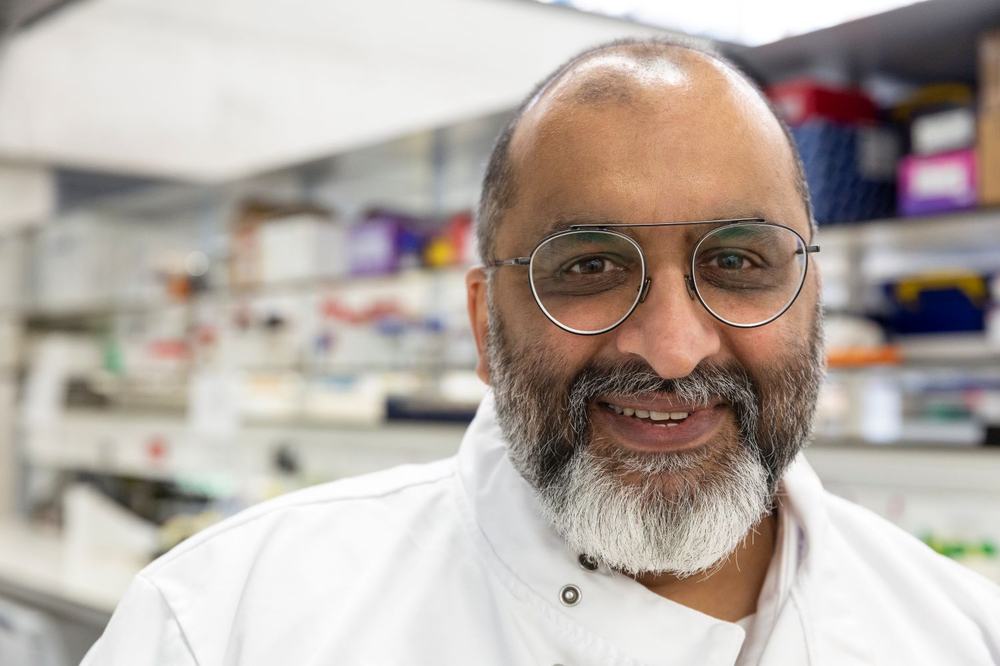
Few areas of medicine are advancing as rapidly as cell and gene therapy, and Professor Waseem Qasim has been at the centre of that revolution. His research focuses on harnessing and engineering immune cells to treat children with cancer.
Professor Qasim led pioneering work in genome-edited CAR-T cell therapies, including world-first treatments for children with otherwise untreatable leukaemia. His team's innovations are helping create "off-the-shelf" cellular therapies that could make life-saving treatments available to more children around the world.
Professor Sara Ghorashian - Developing the next generation of immunotherapies
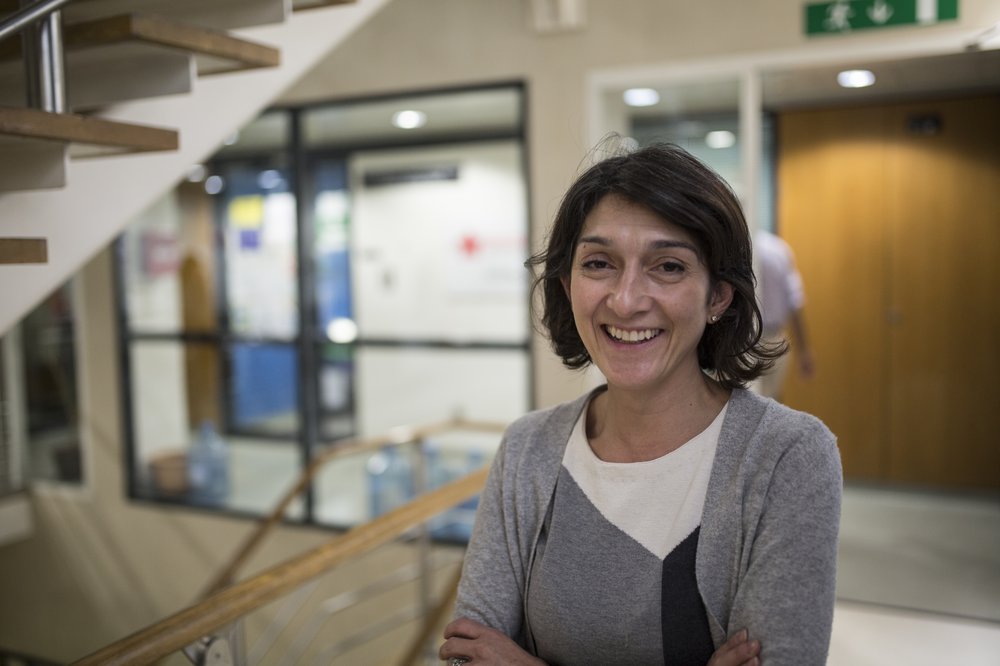
As a Consultant Paediatric Haematologist and clinician scientist, Professor Sara Ghorashian has helped redefine how blood cancers are treated, developing treatments from laboratory reagents up to a licensed product available on the NHS. Her research centres on improving the safety and efficacy of cellular immunotherapies with the aim of giving children with the hardest-to-treat blood cancers better outcomes
From helping translate innovative CAR-T therapies, to leading new trials for children with aggressive blood cancers, Prof Ghorashian's work reflects the ZCR’s determination to turning cutting-edge science into real-world benefit for the children who need it most.
Professor Claire Booth - Delivering life-changing gene therapies

For children born with severe immune disorders, gene therapy can offer the possibility of a cure rather than a lifetime of treatment. Professor Claire Booth, Consultant Paediatric Immunologist and Professor of Gene Therapy and Paediatric Immunology, has helped establish GOSH as a global leader in this field.
Leading multiple gene therapy clinical trials, Professor Booth works to develop and deliver innovative treatments for children with rare immune deficiencies and other inherited disorders. Her research spans everything from laboratory development to first-in-human clinical studies, ensuring discoveries reach patients as quickly and safely as possible. She is co-Deputy lead of the Gene, Stem and Cell Therapy theme of the NIHR GOSH Biomedical Research Centre.
Looking ahead
These seven researchers represent just a small part of the community that has made the ZCR what it is today. Together with patients, families, clinicians and scientists across multiple disciplines, they are helping turn scientific discovery into hope, answers and new treatment options for children around the world.
About the Zayed Centre for Research
The Zayed Centre for Research into Rare Disease in Children was made possible thanks to a transformative £60 million gift from Her Highness Sheikha Fatima bint Mubarak, wife of the late Sheikh Zayed bin Sultan Al Nahyan, founding father of the United Arab Emirates, in 2014. We are also grateful to Research England, The Wolfson Foundation, John Connolly & Odile Griffith and the Mead Family Foundation whose generous support contributed to the creation of the Zayed Centre for Research. The Zayed Centre for Research is a partnership between Great Ormond Street Hospital, UCL and Great Ormond Street Hospital Children’s Charity.
Opened in 2019, the ZCR was designed to bring laboratory scientists, clinicians and families together in a single purpose-built facility. This close collaboration enables discoveries to move more quickly from bench to bedside, helping ensure research addresses the questions that matter most to patients and families.
Seven years on, the mission remains unchanged: to transform the lives of children with rare and complex diseases through research that starts and ends with patients.

GOSH and Amazon Web Services collaborate to drive digital innovation across care, research and education
GOSH and AWS have signed a Strategic Collaboration Agreement, demonstrating a shared ambition to enhance clinical care, operations, research and education through digital advancements.
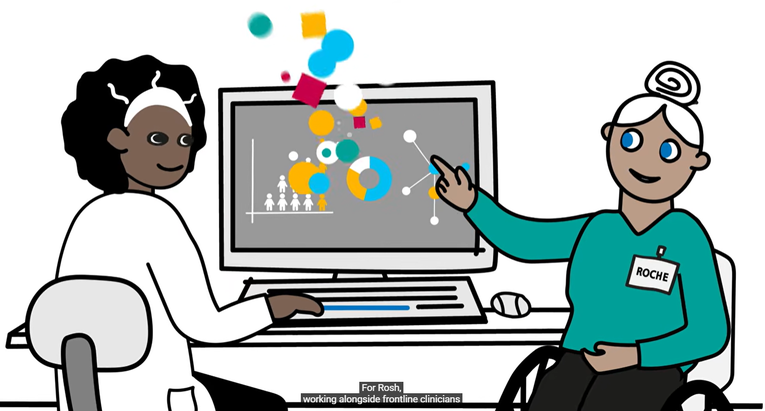
Moving from Code to Clinic: how GOSH and Roche are turning data into better care
Our 5-year partnership with Roche has brought together expertise in clinical care, AI and data science to help unlock insights from complex healthcare data in a safe and secure way. Watch our new animation to learn more about the journey from code to clin
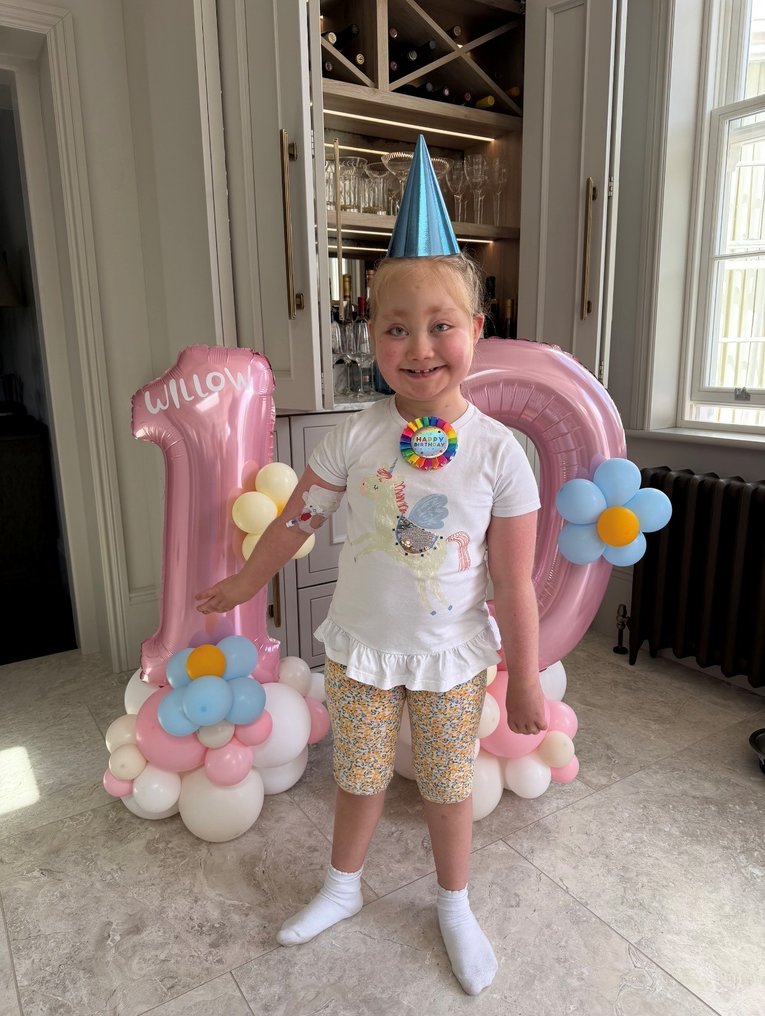
World-first same-day metagenomics for children can detect hidden infections in intensive care
GOSH has successfully implemented a pioneering same-day respiratory metagenomics testing service for children in intensive care, helping clinicians identify infections more quickly and make better-informed treatment decision
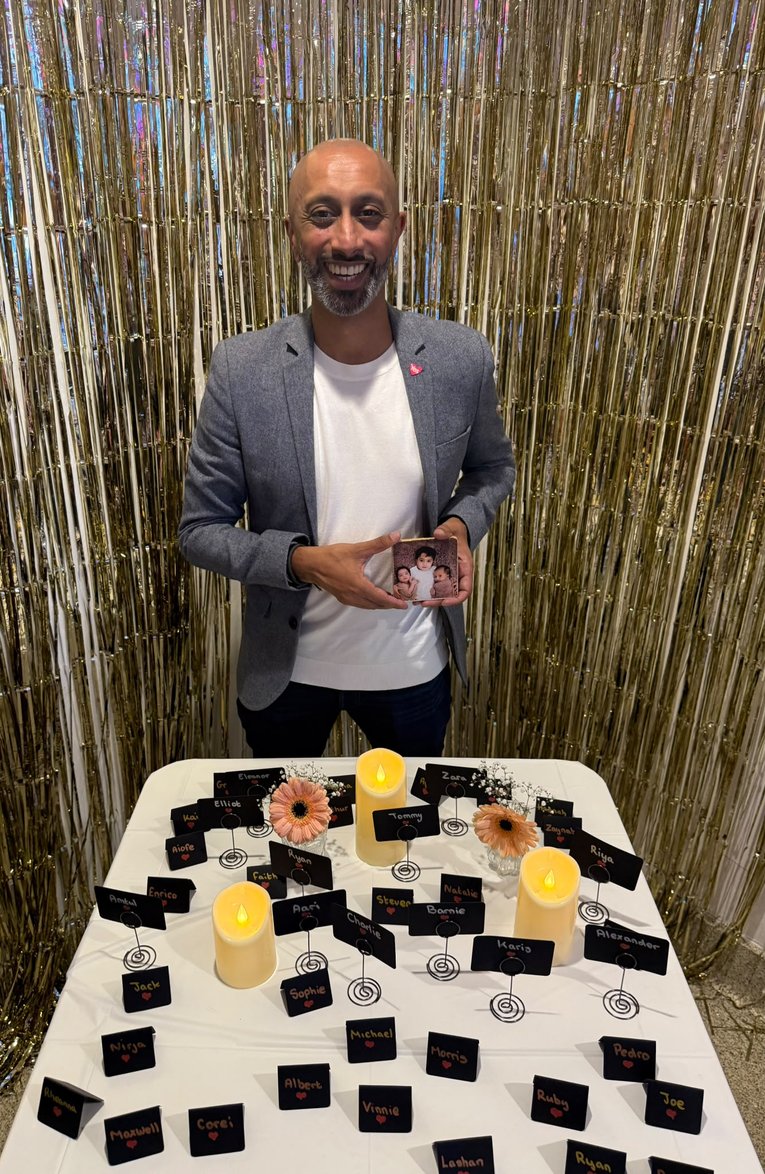
Celebrating the gift of organ donation
During Organ Donation Week 2026, GOSH hosted its first Donor Family Tea Party, bringing together families whose children gave the extraordinary gift of life through organ donation.