https://www.gosh.nhs.uk/our-research/recent-impact-of-research-and-innovation/100000-genomes-project-hits-half-way-mark/
100,000 Genomes Project hits half way mark
21 Feb 2018, 4:02 p.m.

The pioneering 100,000 Genomes Project has reached the 50,000 genomes landmark. It’s a milestone that has only been made possible through the generous participation of tens of thousands of patients and their families, including 1,492 GOSH families.The project aims to sequence 100,000 genomes from around 70,000 people to help doctors better understand, and ultimately treat, rare and inherited diseases and various cancers.
Great Ormond Street Hospital (GOSH) leads the North Thames Genomic Medicine Centre, one of 13 regional centres which are responsible for coordinating recruitment of more than 100 patients a month. So far 12,315 genomes have been collected by the North Thames Genomic Medicine Centre including 4,142 genomes collected at GOSH and 1,492 GOSH families recruited.
In 2016 GOSH patients Georgia and Jessica were the first to receive a genetic diagnosis as part of the 100,000 Genomes Project. For patients with rare diseases, a diagnosis can remove a large amount of uncertainty for the families, often after many years of distress. The results can have a major impact on many areas of patient lives including future treatment options, social support and family planning. They also have the potential to help many more children with undiagnosed conditions who may be tested for these genetic mutations early on and be offered a diagnosis to help manage their condition most effectively.
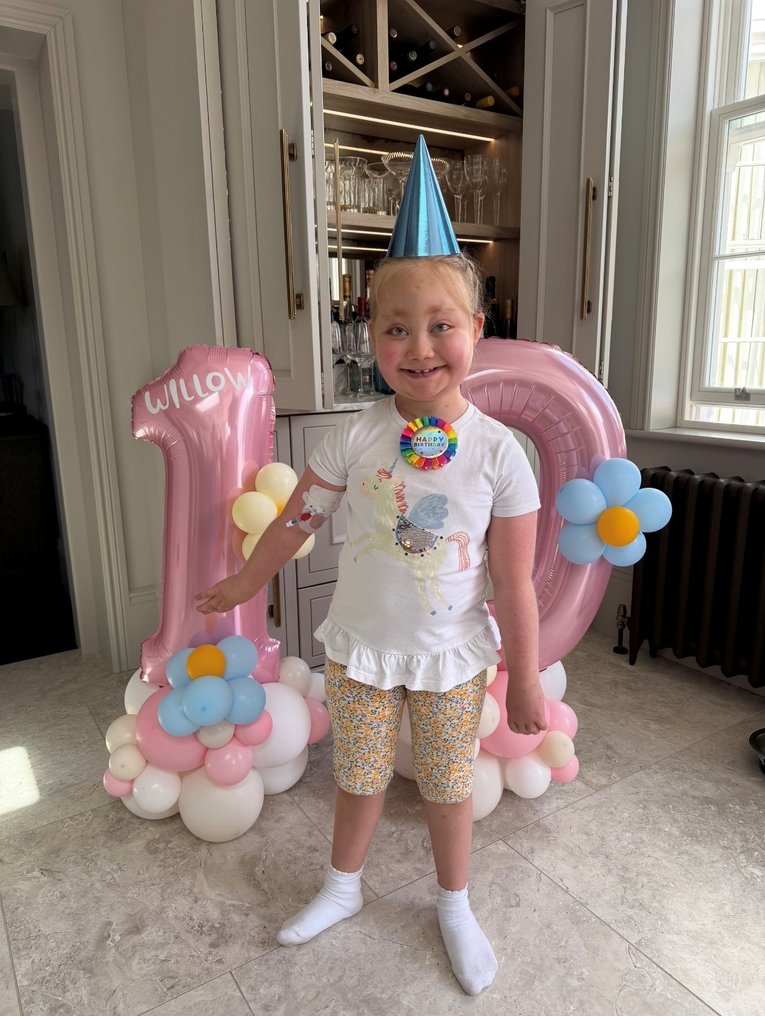
World-first same-day metagenomics for children can detect hidden infections in intensive care
GOSH has successfully implemented a pioneering same-day respiratory metagenomics testing service for children in intensive care, helping clinicians identify infections more quickly and make better-informed treatment decision
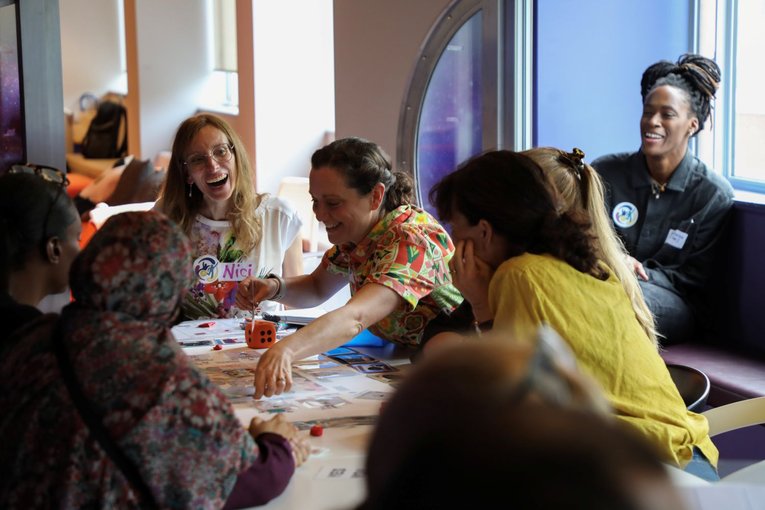
GOSH families at the heart of major £6m project to improve support for children with complex needs
Children, young people and families from GOSH will help shape a major new research programme
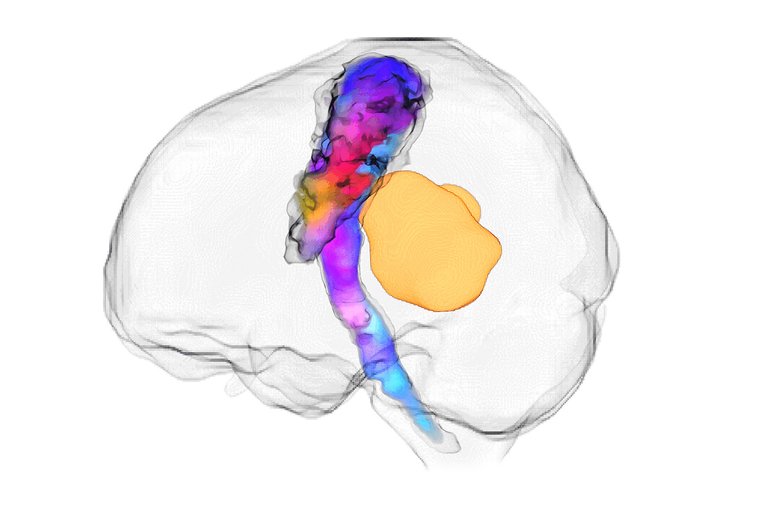
New Fellowship to develop the next generation of paediatric neuro-oncology specialists
The Tessa Jowell Brain Cancer Mission has launched it's first Paediatric Neuro-Oncology Fellowship, to support the development of specialists caring for children with brain cancers
Thousands join world-first trial to save lives of critically ill children
Some of the sickest children in the UK have started to join an innovative clinical trial designed to improve the survival and recovery of children requiring intensive care treatment, led by GOSH.