
https://www.gosh.nhs.uk/our-research/our-research-infrastructure/nihr-great-ormond-street-hospital-brc/brc-news/world-first-use-gene-edited-immune-cells-treat-incurable-leukaemia/
World first use of gene-edited immune cells to treat ‘incurable’ leukaemia
10 Nov 2015, 2:18 p.m.

A new treatment that uses ‘molecular scissors’ to edit genes and create designer immune cells programmed to hunt out and kill drug resistant leukaemia has been used at Great Ormond Street Hospital (GOSH).The treatment, previously only tested in the laboratory, was used in one-year-old, Layla, who had relapsed acute lymphoblastic leukaemia (ALL). She is now cancer free and doing well.
This breakthrough comes from GOSH and UCL Institute of Child Health’s (ICH) pioneering research teams with support from the National Institute for Health Research (NIHR) Great Ormond Street Biomedical Research Centre, who together are developing treatments and cures for some of the rarest childhood diseases.
Chemotherapy successfully treats many patients with leukaemia but it can be ineffective in patients with particularly aggressive forms of the disease where cancer cells can remain hidden or resistant to drug therapy. Recent developments have led to treatments where immune cells, known as T-cells, are gathered from patients and programmed using gene therapy to recognise and kill cancerous cells. Multiple clinical trials are underway, but individuals with leukaemia, or those who have had several rounds of chemotherapy, often don’t have enough healthy T-cells to collect and modify meaning this type of treatment is not appropriate.
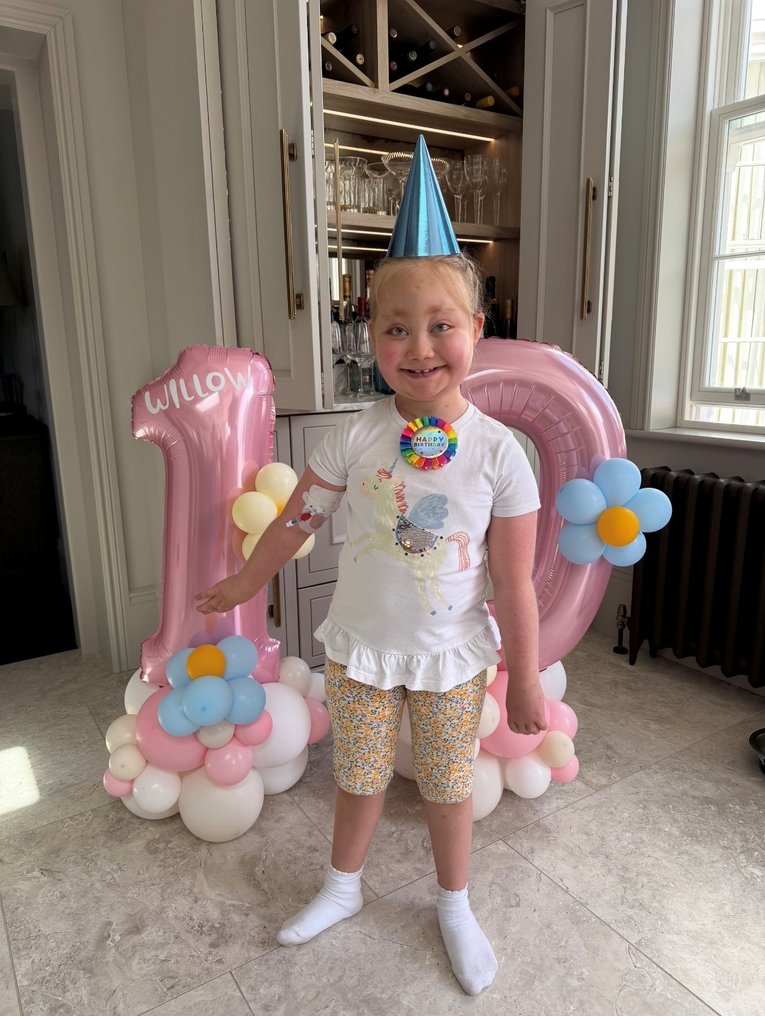
World-first same-day metagenomics for children can detect hidden infections in intensive care
GOSH has successfully implemented a pioneering same-day respiratory metagenomics testing service for children in intensive care, helping clinicians identify infections more quickly and make better-informed treatment decision
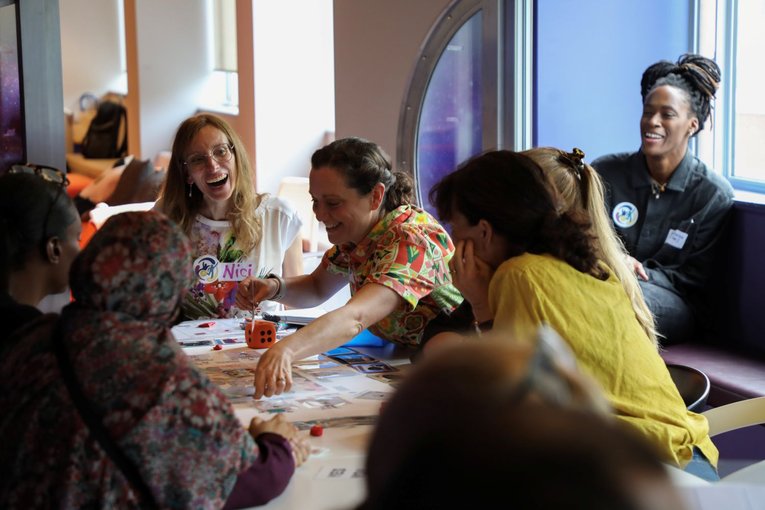
GOSH families at the heart of major £6m project to improve support for children with complex needs
Children, young people and families from GOSH will help shape a major new research programme
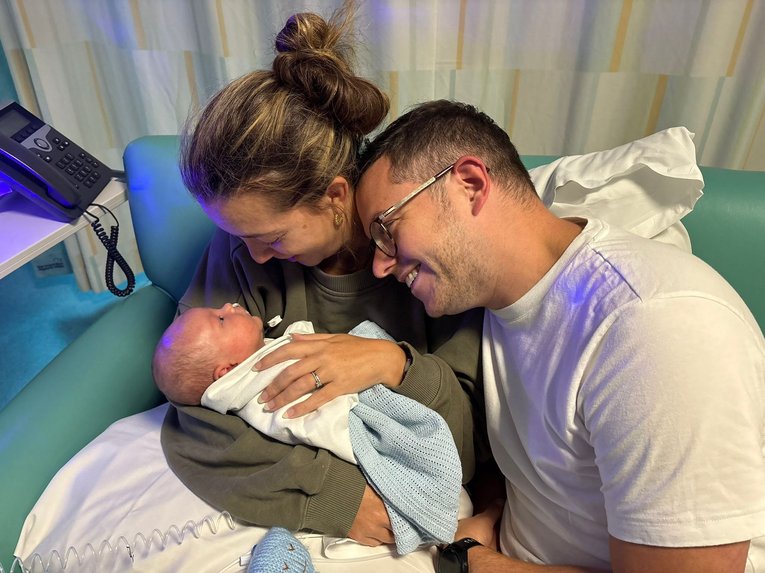
Thousands join world-first trial to save lives of critically ill children
Some of the sickest children in the UK have started to join an innovative clinical trial designed to improve the survival and recovery of children requiring intensive care treatment, led by GOSH.

GOSH surgeon receives prestigious international award
Professor Paolo De Coppi, Consultant Paediatric Surgeon at Great Ormond Street Hospital (GOSH), has been recognised as an Honorary Fellow of the American College of Surgeons (ACS), one of the most prestigious honours in global surgery.