

https://www.gosh.nhs.uk/our-research/our-research-infrastructure/nihr-great-ormond-street-hospital-brc/brc-news/spinraza-first-treatment-spinal-muscular-atrophy-receive-fda-approval/
Spinraza: the first treatment for spinal muscular atrophy to receive FDA approval
30 Mar 2017, 11:28 a.m.

At the end of 2016, the American Food and Drug Administration (FDA) granted approval for the use of Spinraza (nusinsersen) for the treatment of spinal muscular atrophy (SMA) in paediatric and adult patients. This is unprecedented for the SMA community witnessing the first approved drug for this disease.
The FDA approval was based on positive results from multiple clinical studies in more than 170 patients. GOSH was the highest UK recruiter for the first study, ENDEAR, a Phase 3, controlled study evaluating Spinraza in infantile-onset, which took place in the BRC-supported Somers Clinical Research Facility.
The interim analysis of the data from ENDEAR, (previously reported in the December BRC newsletter) was considered throughout the approval process. In particular, patients with infantile-onset SMA recruited to the ENDEAR study and treated with Spinraza, achieved and sustained clinically meaningful improvement in motor function compared to untreated study participants. Furthermore, a greater percentage of patients on Spinraza survived compared to untreated patients. In open-label studies, some patients also achieved unexpected milestones such as ability to sit unassisted, stand or walk.
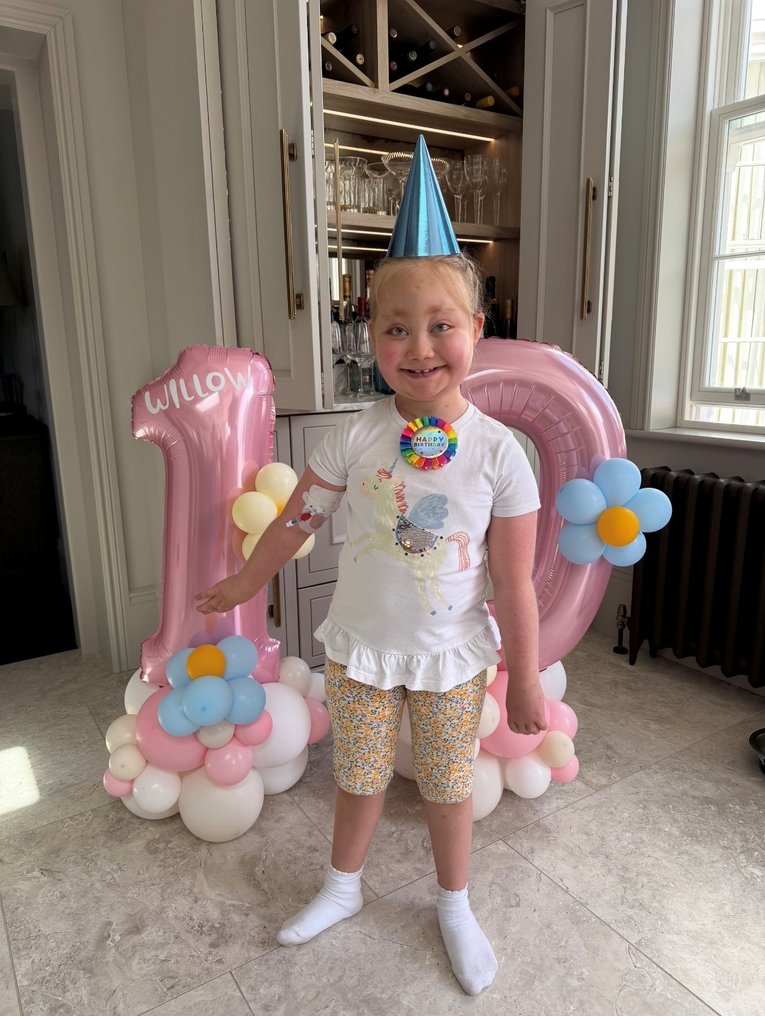
World-first same-day metagenomics for children can detect hidden infections in intensive care
GOSH has successfully implemented a pioneering same-day respiratory metagenomics testing service for children in intensive care, helping clinicians identify infections more quickly and make better-informed treatment decision

Bagri family philanthropy enables UCL study into rare childhood neurological condition treated at GOSH
A generous donation from the Bagri family will underpin a landmark study into gene-editing treatments for Dihydropteridine reductase deficiency (DHPR deficiency), an ultra-rare childhood neurological condition, treated at GOSH
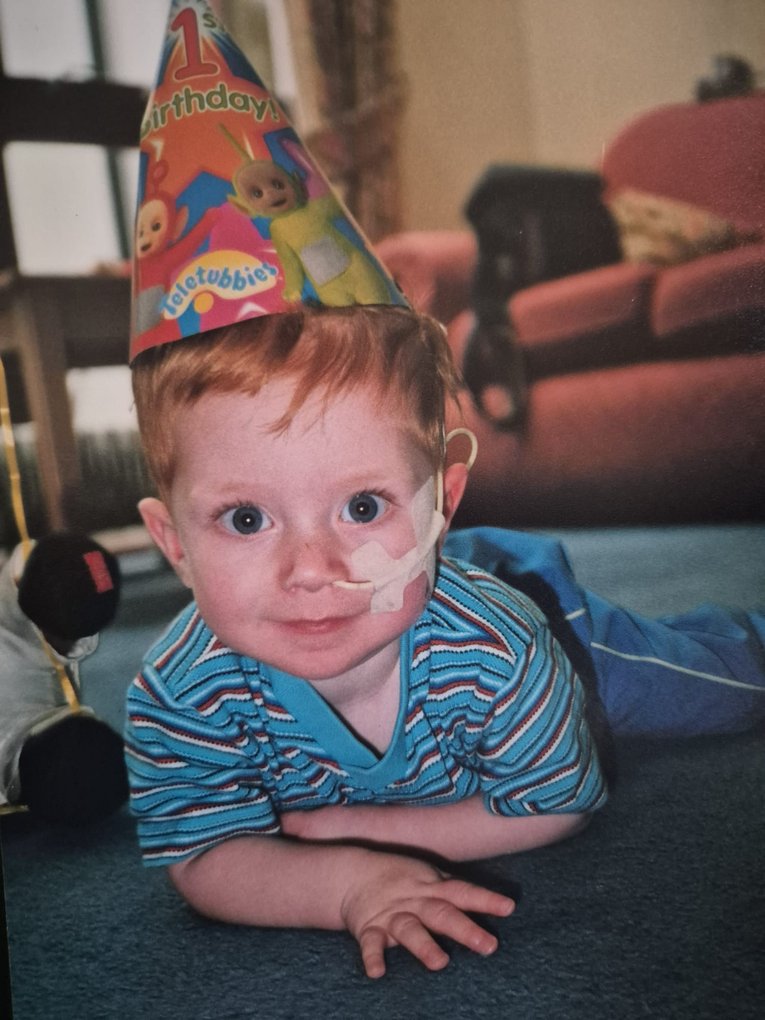
Celebrating 25 years of saving children’s lives with gene therapy
Marking 25 years since delivering the first ground-breaking gene therapy here at GOSH, having now treated more than 135 children with rare and life-threatening conditions across the world.
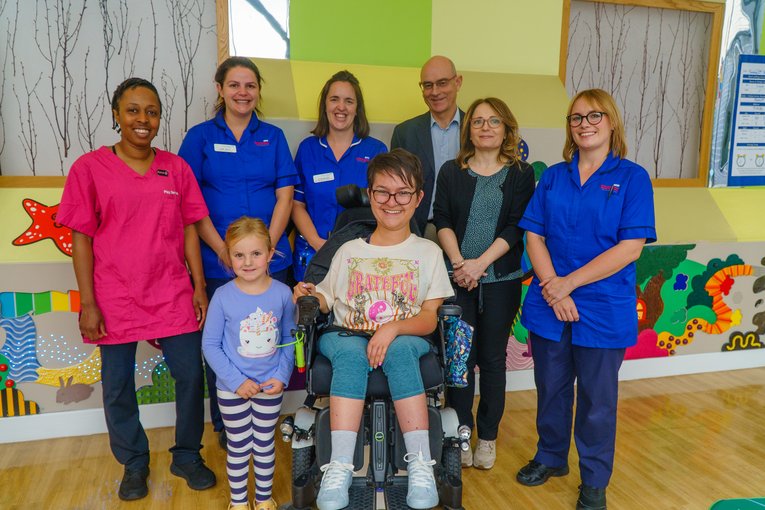
Landmark decision to screen for spinal muscular atrophy at birth
Great Ormond Street Hospital (GOSH) is delighted at the announcement that newborn babies in England will be offered screening for spinal muscular atrophy (SMA) through the newborn blood spot, or "heel prick", test programme.