
https://www.gosh.nhs.uk/our-research/our-research-infrastructure/nihr-great-ormond-street-hospital-brc/brc-news/role-important-protein-improves-understanding-autoimmune-diseases/
Role of important protein improves understanding of autoimmune diseases
22 Mar 2016, 4:59 p.m.
Researchers – led by Great Ormond Street BRC-supported Professor Tessa Crompton in collaboration with the Paediatric Department at Oxford University – have identified the role of a key protein in normal development of the thymus, an important organ of the immune system. The protein, known as Sonic hedgehog (SHH), is one of a few factors that regulate thymic epilthelial cell (TEC) differentiation and lineage choice. These findings contribute to our understanding of human autoimmune diseases and will inform strategies to replace thymus function in athymic children.
TECs are an essential component of the thymic stroma and are required to support T cell development. Two broad categories of TEC exist; medullary TECs, which are essential for the induction of tolerance to self, and cortical TECs, which are essential for T cell fate specification and T cell receptor repertoire selection. Researchers used both adult and foetal TECs to show that SHH regulates medullary TEC differentiation and function, with the potential to alter central tolerance.
These findings are important to our understanding of immunity, autoimmunity and immunodeficiency. In the future it will be important to assess the effects of SHH signalling on the induction and severity of human autoimmune diseases.
These findings were published in the Journal of Autoimmunity.
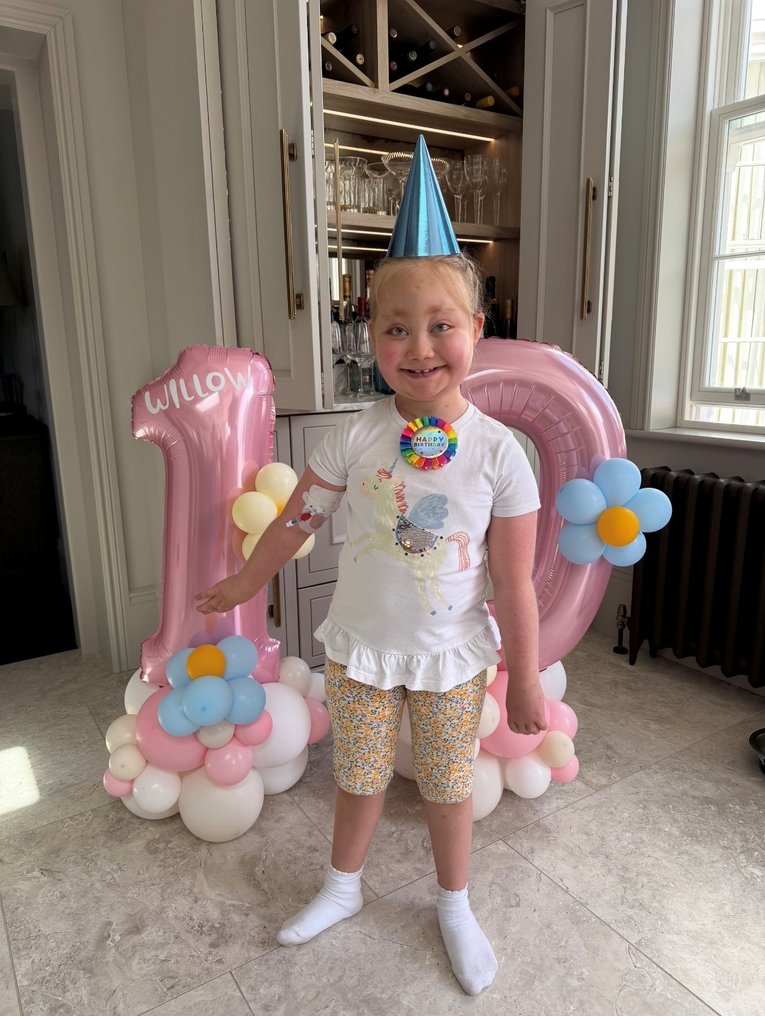
World-first same-day metagenomics for children can detect hidden infections in intensive care
GOSH has successfully implemented a pioneering same-day respiratory metagenomics testing service for children in intensive care, helping clinicians identify infections more quickly and make better-informed treatment decision
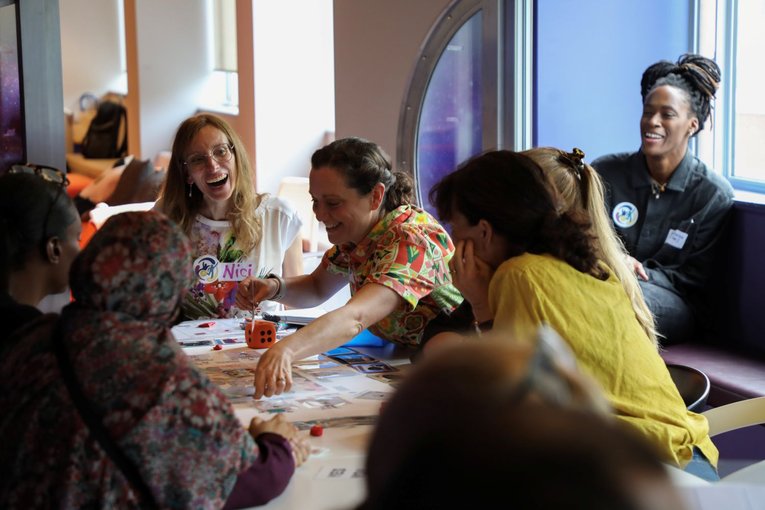
GOSH families at the heart of major £6m project to improve support for children with complex needs
Children, young people and families from GOSH will help shape a major new research programme
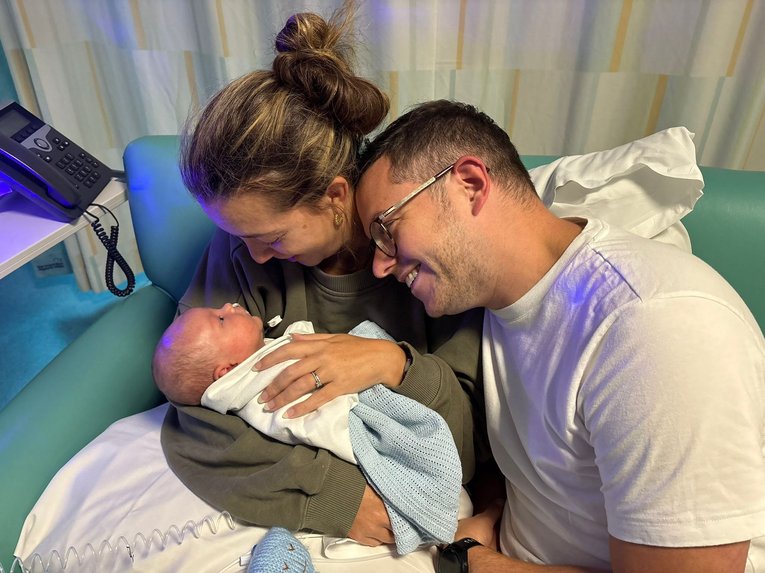
Thousands join world-first trial to save lives of critically ill children
Some of the sickest children in the UK have started to join an innovative clinical trial designed to improve the survival and recovery of children requiring intensive care treatment, led by GOSH.

GOSH surgeon receives prestigious international award
Professor Paolo De Coppi, Consultant Paediatric Surgeon at Great Ormond Street Hospital (GOSH), has been recognised as an Honorary Fellow of the American College of Surgeons (ACS), one of the most prestigious honours in global surgery.