https://www.gosh.nhs.uk/news/better-understanding-leukaemia-for-children-with-down-syndrome/
Better understanding leukaemia for children with down syndrome
7 May 2026, 2:16 p.m.
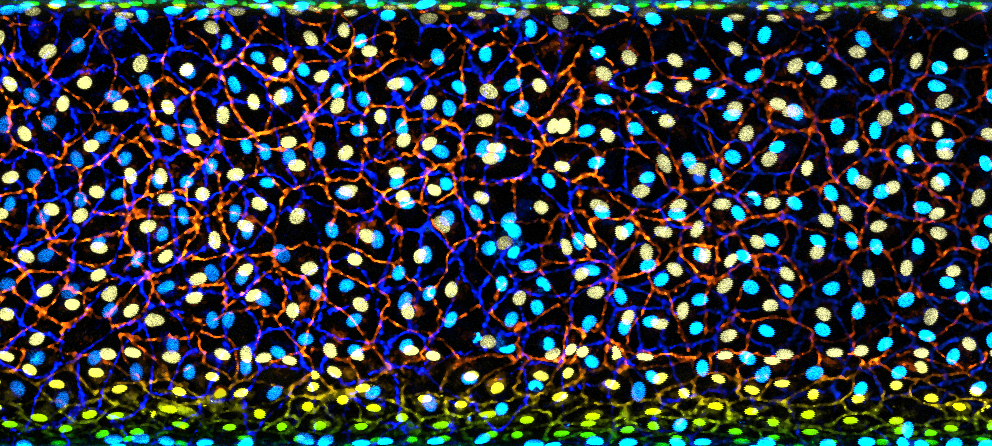
Researchers have mapped the evolution of a type of leukaemia that is exclusive to children with Down syndrome and may have identified an overarching weakness in the cancer's genetic makeup.
It may be possible to identify which pre-cancerous cells will develop into a rare type of blood cancer, due to new research showing that a single genetic change drives myeloid leukaemia in children with Down syndrome.
International collaboration
An international team, including those at the Wellcome Sanger Institute, Great Ormond Street Hospital, Goethe University Frankfurt, Cambridge University Hospitals, and their collaborators, investigated the differences between cancer cells and pre-cancer cells, which appear the same under the microscope, to understand why some develop into cancer and others do not.
Published in Nature Communications, the study identified the main changes that drive the transition of normal cells to cancer, revealing a possible genetic weakness.
Children with Down syndrome have a 150-fold increased risk of developing myeloid leukaemia (ML-DS), despite having a lower risk of other cancers. Myeloid leukaemia in these children arises from a pre-cancer state, known as transient abnormal myelopoiesis (TAM), which 15 to 30 per cent of children with Down syndrome are born with. TAM cells have a conserved set of molecular changes that cause cell growth, but additional changes are needed to drive the development of cancer.
Understanding the molecular factors that lead to ML-DS could help identify children at risk and highlight whether any of the changes are the same as those in other cancers, potentially opening the door to repurposing existing treatments.
Mapping the evolution of cells
Researchers used in-depth genomic techniques to see which genetic changes were specific to ML-DS and TAM cells, and how other changes in the cell might drive the development of cancer.
The team found that the molecular backbone of all stages of this blood cancer, both pre-cancerous TAM and developed ML-DS, is very similar, providing a common vulnerability and treatment target.
It has been known that a specific change in the GATA1 gene is present in all stages of the disease. However, when TAM progresses to ML-DS additional genetic changes occur. In this study, the team found that despite these additional changes, GATA1-induced molecular differences are present at all stages. As this seems to be the most impactful genetic change, the researchers suggest that it could be possible to develop a therapy that targets this in the future.
While both ML-DS and TAM look the same under the microscope, the team found that they had different indictations about what genes are active in the cell at a given time. This allowed them to predict which TAM cells would become cancerous. With further research, this could be a biomarker for identifying those children at higher risk of developing the disease.
Dr Jack Bartram, co-senior author at Great Ormond Street Hospital, said: “This is the first time that it has been possible to investigate the full evolution of pre-cancer to cancer cells in the context of ML-DS. Rare cancers impact the lives of children and families around the world, and research is the only way that we will find answers that can help inform new approaches and treatments.”
Professor Sam Behjati, co-senior author at the Wellcome Sanger Institute and Cambridge University Hospitals, said: “Cancer can impact all our lives, and to fully understand all the different subtypes, no matter how rare, we must work together to build our collective knowledge.
All research at GOSH is underpinned by the NIHR GOSH Biomedical Research Centre.
World-first same-day metagenomics for children can detect hidden infections in intensive care
GOSH has successfully implemented a pioneering same-day respiratory metagenomics testing service for children in intensive care, helping clinicians identify infections more quickly and make better-informed treatment decision
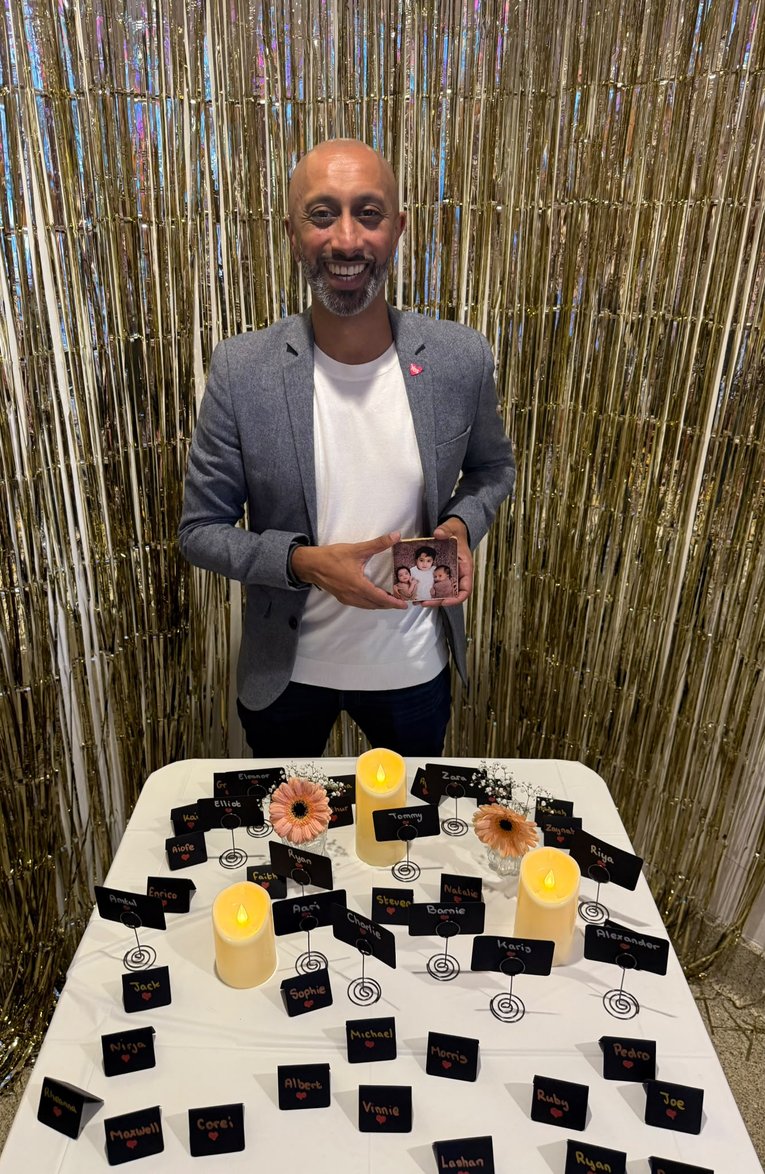
Celebrating the gift of organ donation
During Organ Donation Week 2026, GOSH hosted its first Donor Family Tea Party, bringing together families whose children gave the extraordinary gift of life through organ donation.

Road closure: Great Ormond Street
There will be a partial closure of Great Ormond Street between 4am on Wednesday 21 and 10pm on Thursday 22 October.
GOSH families at the heart of major £6m project to improve support for children with complex needs
Children, young people and families from GOSH will help shape a major new research programme