
https://www.gosh.nhs.uk/our-research/our-research-infrastructure/nihr-great-ormond-street-hospital-brc/brc-news/researchers-identify-molecular-drivers-most-common-type-childhood-brain-tumour/
Researchers identify molecular drivers of most common type of childhood brain tumour
22 Mar 2016, 6:32 p.m.

A team of researchers has identified the molecular drivers behind the most common type of paediatric brain tumour.The research, from teams working at Great Ormond Street Hospital, the UCL Institute of Child Health and four other research institutions could improve the treatment of children with a type of brain tumour known as pilocytic astrocytoma.
The researchers carried out tests on brain tumour samples taken from 57 children, detailing microRNA (mRNA) and gene expression profiles alongside a pathway analysis. The findings suggested that there is a distinctive mRNA and gene expression profile in pilocytic astrocytoma when compared to other paediatric brain tumours.
Researchers found mRNA to be up-regulated and it is suggested that the resulting effect on the ERK/MAPK pathway contributes to the unique phenotype of pilocytic astrocytoma.
Pilocytic astrocytomas are the most common type of central nervous tumours in children. They are often slow growing, cystic well-circumscribed tumours that are most commonly situated within the cerebellum, making the removal of the tumour possible. However, many children are left with significant chronic disabilities following treatment.
The Great Ormond Street BRC supported the study, which is published in Acta Neuropathologica Communications.
World-first same-day metagenomics for children can detect hidden infections in intensive care
GOSH has successfully implemented a pioneering same-day respiratory metagenomics testing service for children in intensive care, helping clinicians identify infections more quickly and make better-informed treatment decision
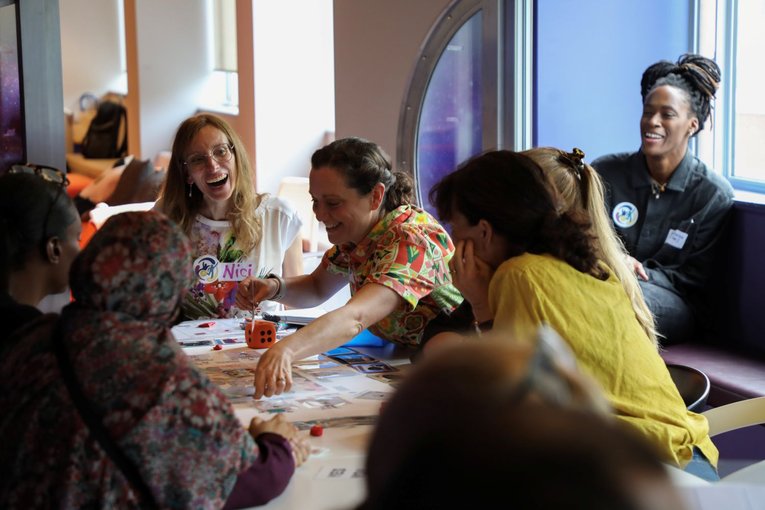
GOSH families at the heart of major £6m project to improve support for children with complex needs
Children, young people and families from GOSH will help shape a major new research programme
Thousands join world-first trial to save lives of critically ill children
Some of the sickest children in the UK have started to join an innovative clinical trial designed to improve the survival and recovery of children requiring intensive care treatment, led by GOSH.

GOSH surgeon receives prestigious international award
Professor Paolo De Coppi, Consultant Paediatric Surgeon at Great Ormond Street Hospital (GOSH), has been recognised as an Honorary Fellow of the American College of Surgeons (ACS), one of the most prestigious honours in global surgery.