
https://www.gosh.nhs.uk/news/gosh-joins-european-health-leaders-to-shape-the-future-of-paediatric-data-sharing/
GOSH joins European health leaders to shape the future of paediatric data sharing
9 Apr 2026, noon
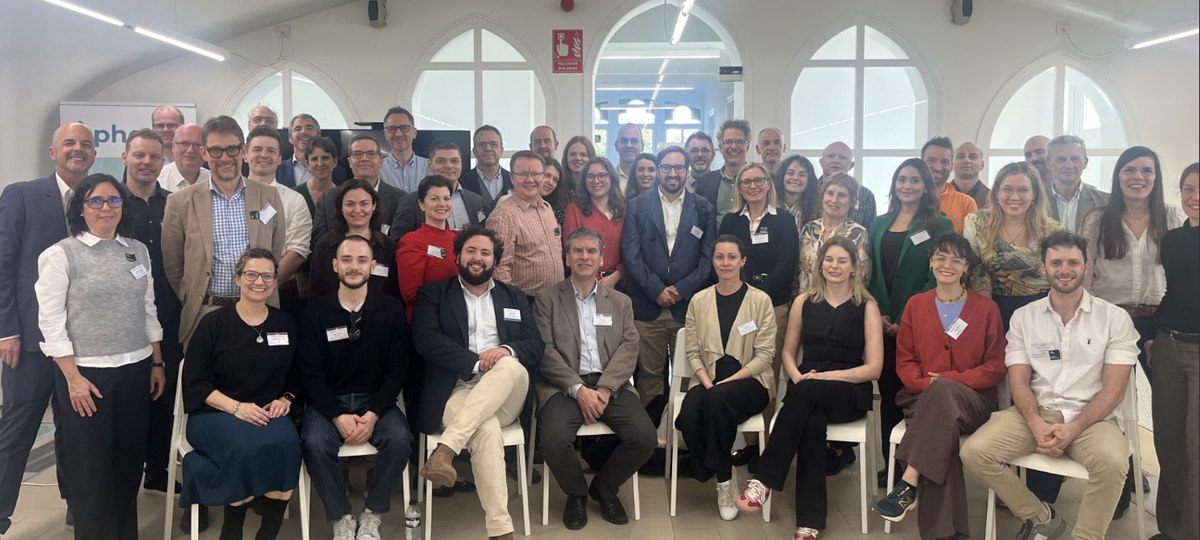
More than 50 clinicians, data scientists, digital health innovators and industry leaders came together in Barcelona last month to tackle one of the biggest challenges in paediatric healthcare: how to share health data safely across borders to improve care for children.
A team from our digital innovation unit, GOSH DRIVE, took part in the international PHEMS Business Hackathon, an event focused on developing long‑term, sustainable ways for children’s hospitals across Europe to work together using data, while fully protecting patient privacy.
Why paediatric data sharing matters
Strong regulations exist to safeguard patient data and privacy. While important and necessary, these protections can make it challenging for hospitals and researchers to conduct research and develop new treatments.
In paediatrics and rare diseases, patient populations are often small. This means clinicians and researchers may not have access to enough data to support faster research, evaluate new treatments or improve services. Without broader, comparable data, health systems can also struggle to make the best use of limited resources.
Finding new ways to collaborate across borders is essential to improving outcomes for children and young people.
Building a Paediatric Health Data Space
The PHEMS project, funded by Horizon Europe and UK Research and Innovation (UKRI), is developing a Paediatric Health Data Space (PHDS) to address these challenges.
The PHDS is designed as a federated data network, allowing hospitals to analyse and learn from each other’s data without transferring or pooling sensitive patient information. Data remains securely stored within each hospital, with only approved insights and results shared across the network.
GOSH is one of six leading European children’s hospitals contributing to the project, working alongside technical and innovation partners to help design a system that supports research, clinical trials and service improvement, while maintaining the highest standards of trust and confidentiality.
Exploring long‑term sustainability
The PHEMS Business Hackathon focused on one key question: how can a system like the Paediatric Health Data Space be sustained over the long term?
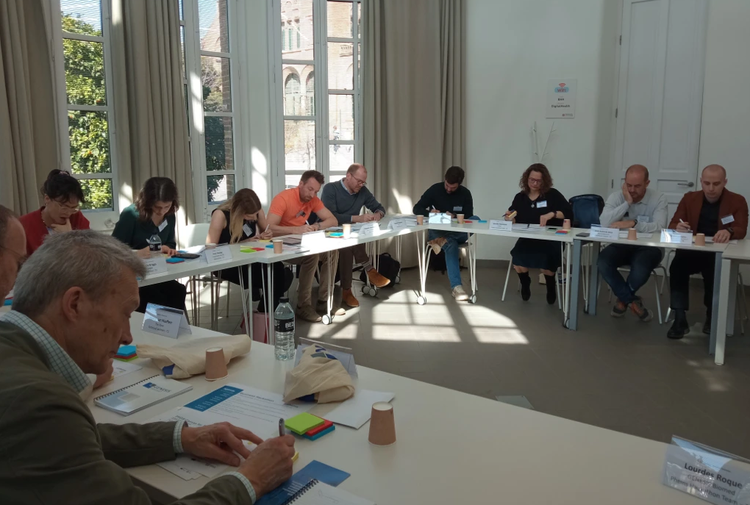
Through a series of collaborative workshops, participants explored potential operating and funding models that could support ongoing data analysis, research and innovation in paediatrics. The event brought together perspectives from hospitals, academia, industry and healthcare innovation organisations from across Europe.
The discussions highlighted both the demand for high‑quality paediatric data insights and the shared commitment to building a sustainable infrastructure that benefits children and families.
Pekka Kahri, PHEMS Project Coordinator, said:
"The hackathon validated that there is both demand and willingness to pay for analytical studies, scientific research, clinical trials, and innovation in paediatrics. This is a major landmark in our journey towards a sustainable economic model for PHDS."
A full analysis of the outcomes from the hackathon will be published in June 2026.
More information

Thousands join world-first trial to save lives of critically ill children
Some of the sickest children in the UK have started to join an innovative clinical trial designed to improve the survival and recovery of children requiring intensive care treatment, led by GOSH.

Message to our patients and patient families following London-wide power outage
Following a London-wide power outage today, we experienced some local issues at GOSH.

GOSH surgeon receives prestigious international award
Professor Paolo De Coppi, Consultant Paediatric Surgeon at Great Ormond Street Hospital (GOSH), has been recognised as an Honorary Fellow of the American College of Surgeons (ACS), one of the most prestigious honours in global surgery.
Researchers funded to cure inflammatory disease
Researchers from University College London (UCL) and Great Ormond Street Hospital (GOSH) will join researchers across the UK and international partners in a bid to transform how chronic inflammatory disease is treated.