
https://www.gosh.nhs.uk/our-research/our-research-infrastructure/nihr-great-ormond-street-hospital-brc/brc-news/research-suggests-need-long-term-follow-patients-kawasaki-disease/
Research suggests need for long-term follow-up for patients with Kawasaki Disease
9 Sep 2015, 4:57 p.m.
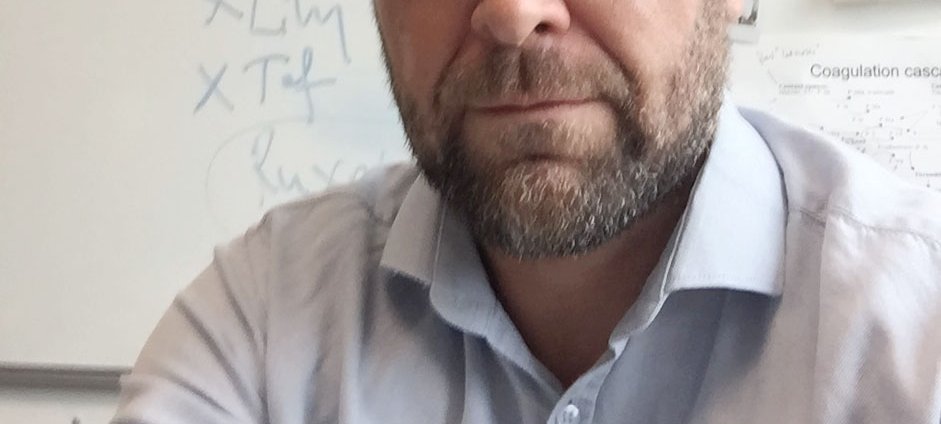
Kawasaki disease is a rare condition that causes blood vessels to become inflamed and swollen. It predominantly occurs in children under the age of five. If left untreated, it results in balloon-like swellings (aneurysms) in the coronary vessels of approximately 25% of cases. To date, the cause of this disease remains unknown. A group of researchers led by Dr Paul Brogan recently conducted a study aiming to shed light on how the disease develops. Ninety-two children with KD were examined at the Somers Clinical Research Facility (CRF) at GOSH. Levels of circulating endothelial cells (CECs), which are mature cells that have become detached from the vessel wall and are often associated with vascular injury, were measured years after patients developed KD.
The researchers found CECs were elevated in KD patients, usually highest in patients with coronary artery aneurysms. Elevated levels of CECs were also seen in some KD patients that had not had coronary artery aneurysms. While the relevance of elevated CECs are not yet known, this study provides rationale for long-term follow up of these patients.
This study has been accepted for publication in the journal, Heart. It was conducted at the BRC-supported Somers CRF at GOSH. Dr Brogan is a BRC-supported researcher.
World-first same-day metagenomics for children can detect hidden infections in intensive care
GOSH has successfully implemented a pioneering same-day respiratory metagenomics testing service for children in intensive care, helping clinicians identify infections more quickly and make better-informed treatment decision
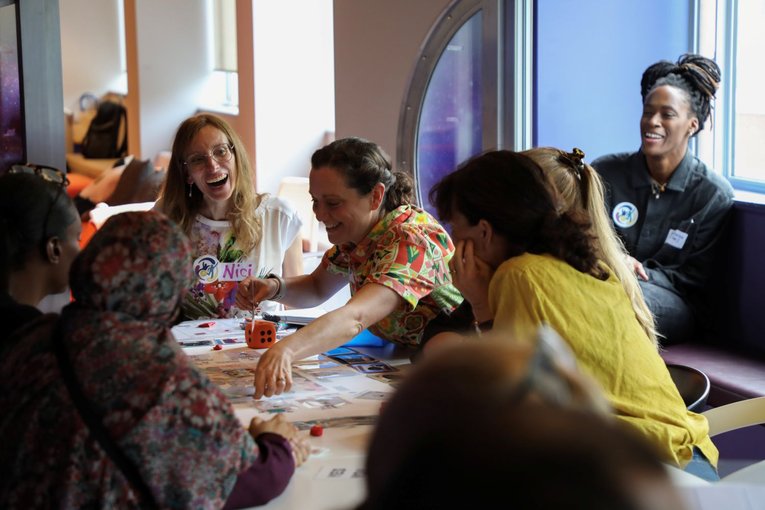
GOSH families at the heart of major £6m project to improve support for children with complex needs
Children, young people and families from GOSH will help shape a major new research programme
Thousands join world-first trial to save lives of critically ill children
Some of the sickest children in the UK have started to join an innovative clinical trial designed to improve the survival and recovery of children requiring intensive care treatment, led by GOSH.

GOSH surgeon receives prestigious international award
Professor Paolo De Coppi, Consultant Paediatric Surgeon at Great Ormond Street Hospital (GOSH), has been recognised as an Honorary Fellow of the American College of Surgeons (ACS), one of the most prestigious honours in global surgery.