
https://www.gosh.nhs.uk/our-research/our-research-infrastructure/nihr-great-ormond-street-hospital-brc/brc-news/new-technique-aid-diagnosis-glycosylation-disorders-present-birth/
New technique to aid diagnosis of glycosylation disorders present at birth
28 Jun 2016, 2:21 p.m.

A study, supported by the NIHR Great Ormond Street BRC, investigated the use of a 2D-differential gel electrophoresis (DIGE) method that provides a global analysis of the serum glycoproteome (glycomic profiling). 2D-DIGE allows multiple samples to be run simultaneously, eliminating gel-to-gel variations, and allowing direct overlay comparisons.
The results showed that for some CDG patients not all glycoproteins were consistently affected. The results identified several new and specific markers of N- and O-linked glycoproteins, never before described. These proteins were shown to be changed in patients, something that conventional tests failed to identify. The findings showed that 2D DIGE is an ideal method for investigation of the global glycoproteome and it could aid diagnosis and sub classification of complex CDG cases, with the potential to identify new diseases. This work was supported by the NIHR GOSH BRC and findings have been published in Molecular Genetics and Metabolism reports.
Congenital disorders of glycosylation (CDG) are a group of rare genetic, metabolic disorders caused by an error in glycosylation. There are over 60 different CDG identified, resulting in a broad range of clinical symptoms, making initial clinical assessment challenging. Screening of CDG is currently based on the investigation of the glycoproteins transferrin and apolipoprotein CIII. However, this cannot diagnose all potential defects in the glycosylation pathway and overlooks new inborn errors of metabolism, resulting in more subtle defects being missed.
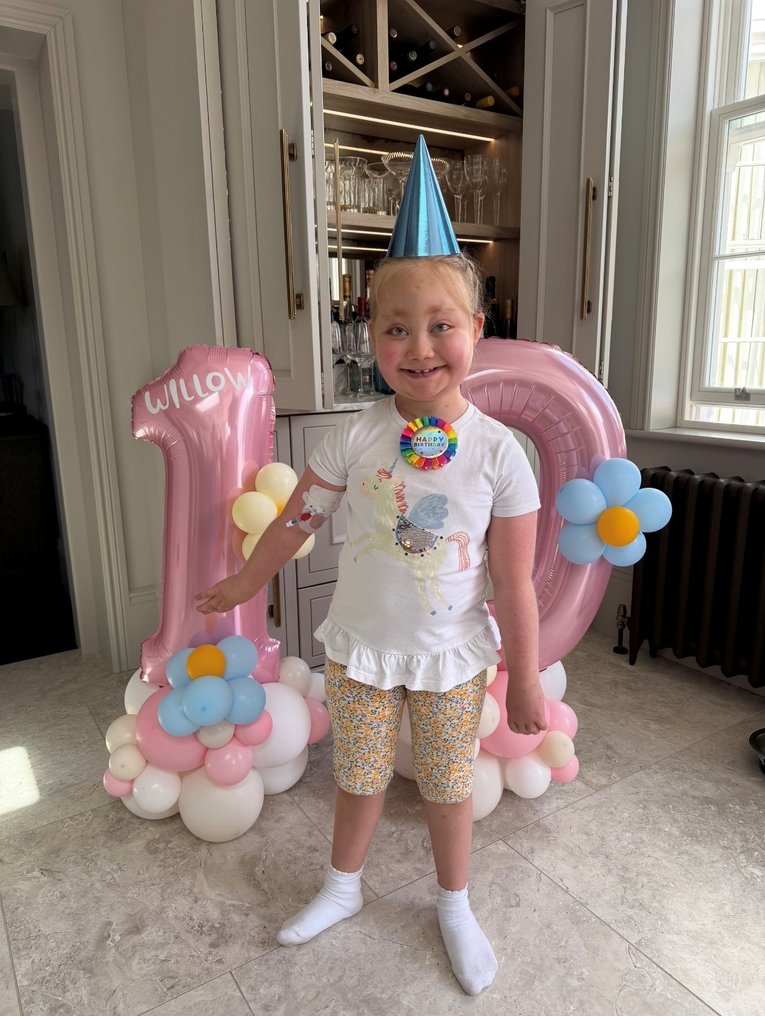
World-first same-day metagenomics for children can detect hidden infections in intensive care
GOSH has successfully implemented a pioneering same-day respiratory metagenomics testing service for children in intensive care, helping clinicians identify infections more quickly and make better-informed treatment decision
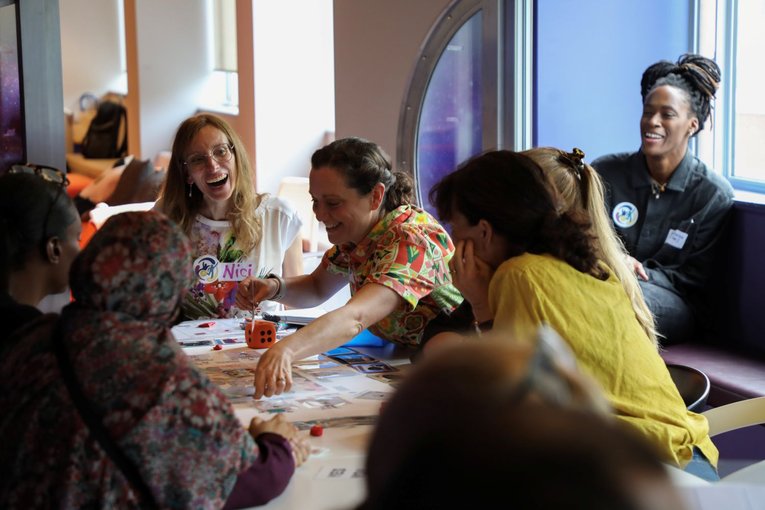
GOSH families at the heart of major £6m project to improve support for children with complex needs
Children, young people and families from GOSH will help shape a major new research programme
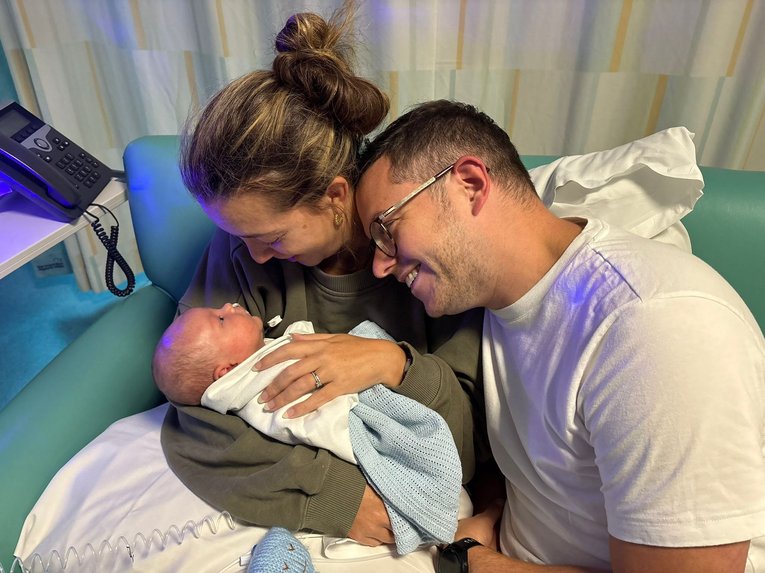
Thousands join world-first trial to save lives of critically ill children
Some of the sickest children in the UK have started to join an innovative clinical trial designed to improve the survival and recovery of children requiring intensive care treatment, led by GOSH.

GOSH surgeon receives prestigious international award
Professor Paolo De Coppi, Consultant Paediatric Surgeon at Great Ormond Street Hospital (GOSH), has been recognised as an Honorary Fellow of the American College of Surgeons (ACS), one of the most prestigious honours in global surgery.