
https://www.gosh.nhs.uk/our-research/our-research-infrastructure/nihr-great-ormond-street-hospital-brc/brc-news/less-intensive-chemotherapy-avoids-irreversible-side-effects-some-childhood-cancers-0/
Less intensive chemotherapy avoids irreversible side effects in some childhood cancers
18 Dec 2015, 1:24 p.m.

Children with a kidney cancer known as Wilms’ tumour, who are at low risk of relapsing, can have their chemotherapy reduced. This finding comes from a European-wide trial that studied the drug doxorubicin.The 10-year study, led by Biomedical Research Centre-funded Professor Kathy Pritchard-Jones, followed 583 children with stage II or stage III Wilms’ tumour of intermediate risk type, which is the most common. The results showed that 96.5 per cent of children whose treatment included doxorubicin – which has been linked to irreversible heart problems later in life – survived for five years or more, compared with 95.8 per cent of children who did not receive the drug. Even though there was a slight increase in the risk of patients relapsing if they did not receive doxorubicin, these patients were successfully treated subsequently, meaning that overall survival rates were the same. The standard treatment for this type of Wilms’ tumour has now been changed to not give doxorubicin. This means that the majority of children now avoid the risk of long term heart problems.
The results have been published in the Lancet. Kathy Pritchard-Jones is a BRC funded researcher.
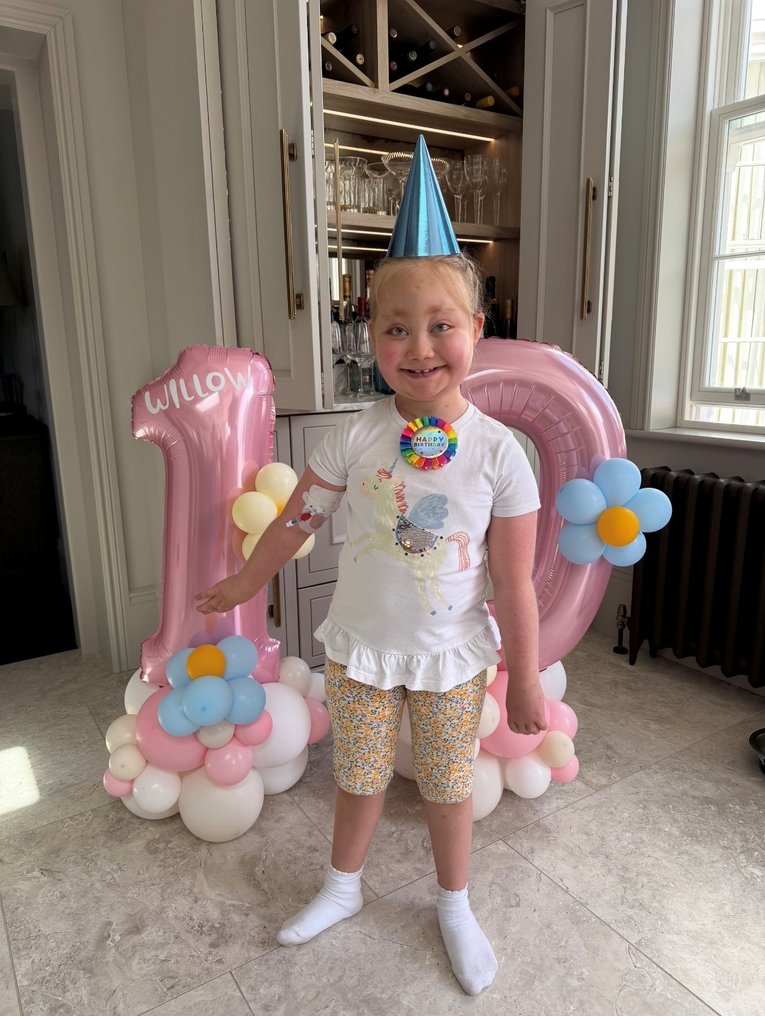
World-first same-day metagenomics for children can detect hidden infections in intensive care
GOSH has successfully implemented a pioneering same-day respiratory metagenomics testing service for children in intensive care, helping clinicians identify infections more quickly and make better-informed treatment decision
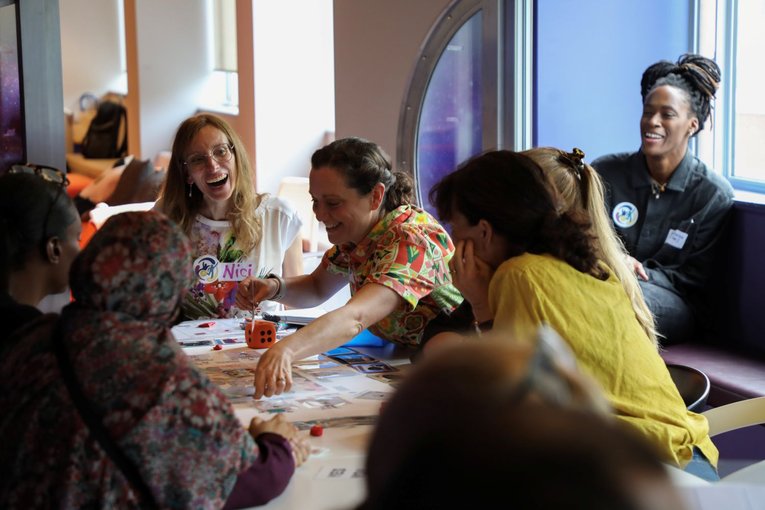
GOSH families at the heart of major £6m project to improve support for children with complex needs
Children, young people and families from GOSH will help shape a major new research programme
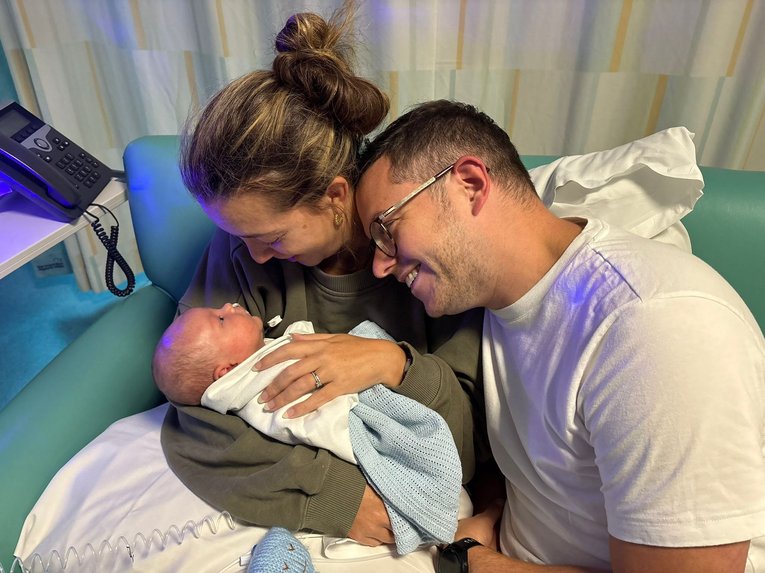
Thousands join world-first trial to save lives of critically ill children
Some of the sickest children in the UK have started to join an innovative clinical trial designed to improve the survival and recovery of children requiring intensive care treatment, led by GOSH.

GOSH surgeon receives prestigious international award
Professor Paolo De Coppi, Consultant Paediatric Surgeon at Great Ormond Street Hospital (GOSH), has been recognised as an Honorary Fellow of the American College of Surgeons (ACS), one of the most prestigious honours in global surgery.