
https://www.gosh.nhs.uk/our-research/our-research-infrastructure/nihr-great-ormond-street-hospital-brc/brc-news/funding-develop-immunotherapy-childhood-sarcomas-0/
Funding to develop immunotherapy for childhood sarcomas
18 Dec 2015, 1:01 p.m.

Biomedical Research Centre (BRC) supported Professor John Anderson has been awarded funding from Children with Cancer UK to investigate new immunotherapy approaches for childhood sarcomas.If successful, the team plan to develop a new clinical trial to test this treatment. Such a trial will increase the treatment options for young sarcoma patients at relapse, where chemotherapy has failed.
Professor Anderson and his team plan to use an approach called adoptive immunotherapy – first, doctors take a sample of a patient’s own blood cells. In the lab, these cells are then genetically modified to recognise a particular target (called an antigen) and then injected back into the patient. Once these genetically modified cells, called chimeric antigen receptors (CARs), come into contact with the antigen, these cells activate the patient’s immune system to fight the cell.
The team have already successfully used this approach to treat chemotherapy-resistant neuroblastomas, and a trial is now underway at Great Ormond Street Hospital to investigate this treatment option for sarcoma, solid tumours that can occur in the bone or soft tissue, which include Ewing sarcoma, osteosarcoma and rhabdomyosarcoma. These cancers have a dismal prognosis if they relapse or metastasise. Only about 1% of adults with cancer suffer from sarcoma, but 15% of children with cancer suffer from sarcoma.
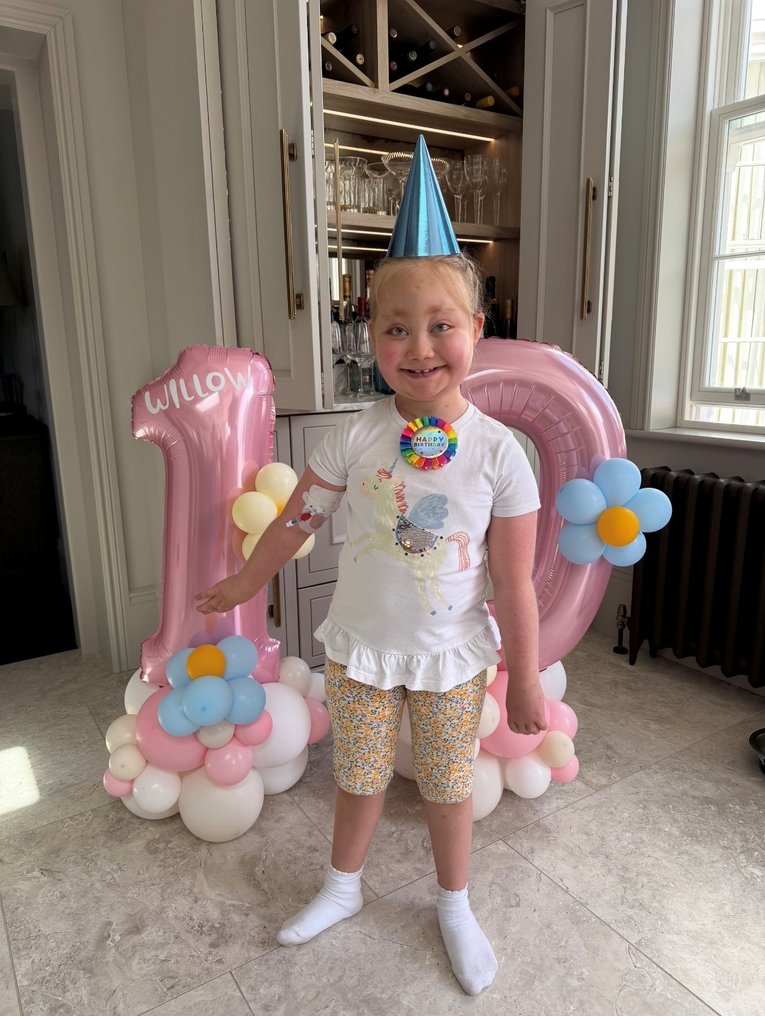
World-first same-day metagenomics for children can detect hidden infections in intensive care
GOSH has successfully implemented a pioneering same-day respiratory metagenomics testing service for children in intensive care, helping clinicians identify infections more quickly and make better-informed treatment decision
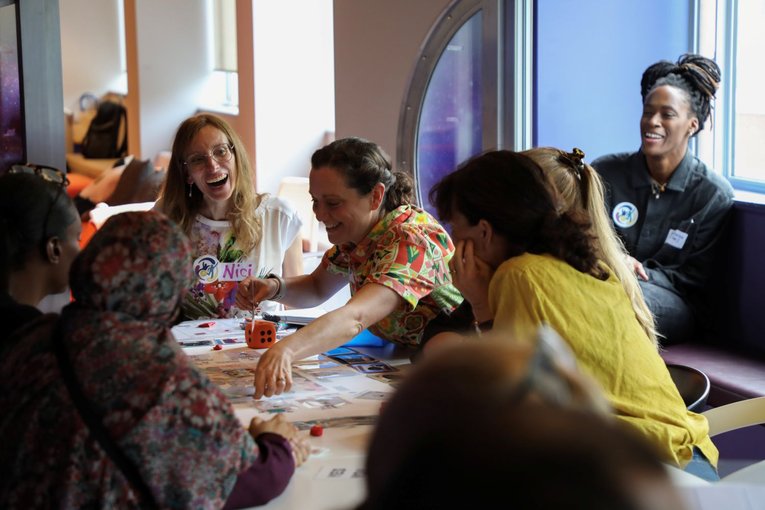
GOSH families at the heart of major £6m project to improve support for children with complex needs
Children, young people and families from GOSH will help shape a major new research programme
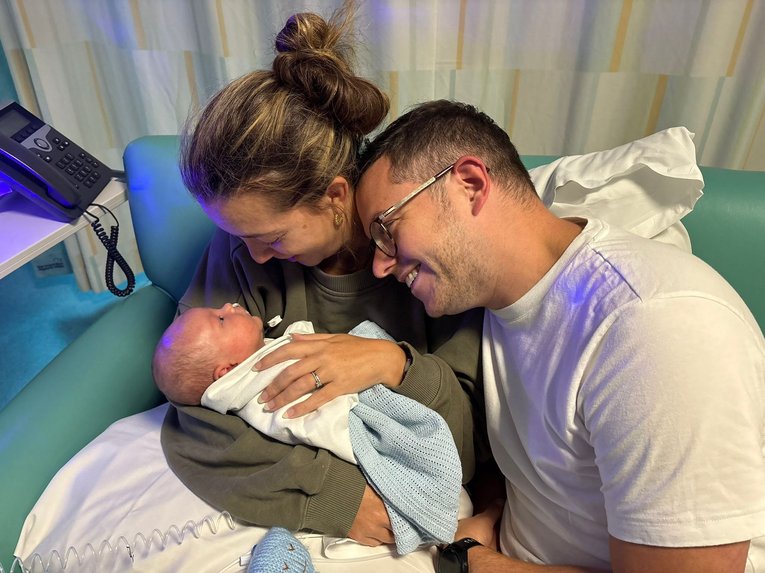
Thousands join world-first trial to save lives of critically ill children
Some of the sickest children in the UK have started to join an innovative clinical trial designed to improve the survival and recovery of children requiring intensive care treatment, led by GOSH.

GOSH surgeon receives prestigious international award
Professor Paolo De Coppi, Consultant Paediatric Surgeon at Great Ormond Street Hospital (GOSH), has been recognised as an Honorary Fellow of the American College of Surgeons (ACS), one of the most prestigious honours in global surgery.