
https://www.gosh.nhs.uk/our-research/our-research-infrastructure/nihr-great-ormond-street-hospital-brc/brc-news/cannabidiol-trial-shows-reduction-seizures-children-dravet-syndrome/
Cannabidiol trial shows reduction in seizures for children with Dravet syndrome
30 May 2017, 12:58 p.m.

A trial conducted in Europe and the USA has shown that cannabidiol – a drug derived from cannabis but with the psycho-active elements removed – reduces seizures in children with a form of drug resistant epilepsy, known as Dravet syndrome.
The study was led by NIHR GOSH BRC cross cutting theme lead Professor Helen Cross, in collaboration with New York University.
In the trial one hundred and twenty children with Dravet syndrome across Europe and the USA were given two daily doses of cannabidiol orally for fourteen weeks. At the end of the study the average number of severe seizures reduced by nearly 40%. For 5% of patients, seizures stopped completely.
The research, Trial of Cannabidiol for Drug-Resistant seizures in the Dravet Syndrome, was published in the New England Journal of Medicine.
Read the press release.
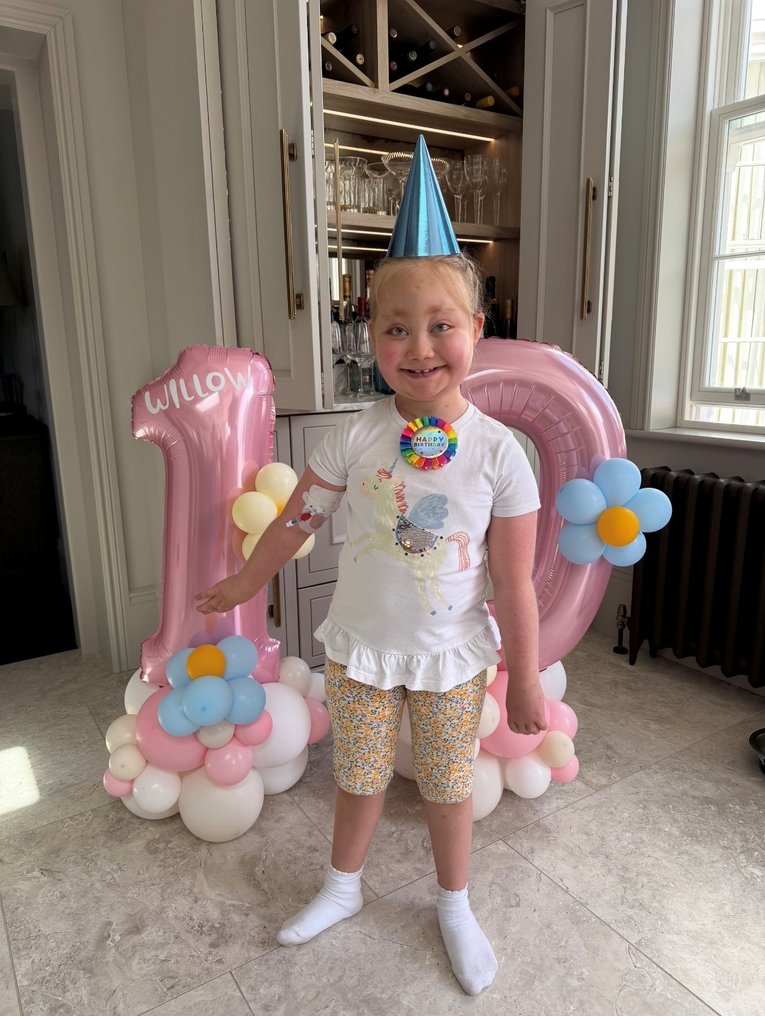
World-first same-day metagenomics for children can detect hidden infections in intensive care
GOSH has successfully implemented a pioneering same-day respiratory metagenomics testing service for children in intensive care, helping clinicians identify infections more quickly and make better-informed treatment decision
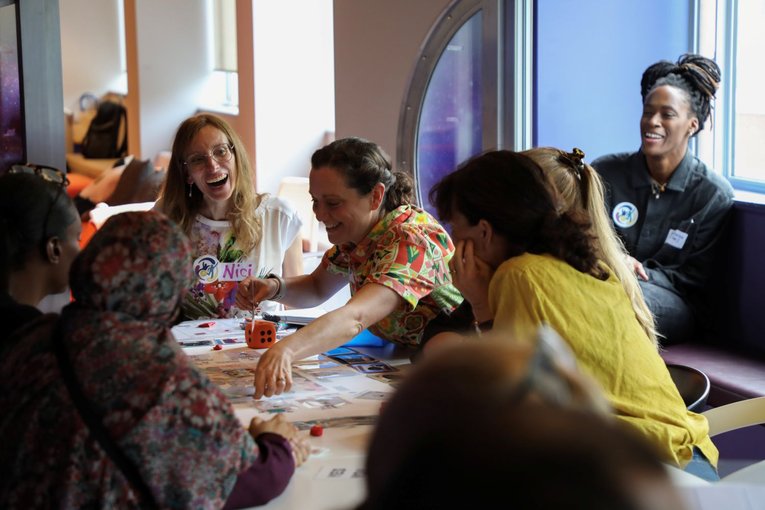
GOSH families at the heart of major £6m project to improve support for children with complex needs
Children, young people and families from GOSH will help shape a major new research programme
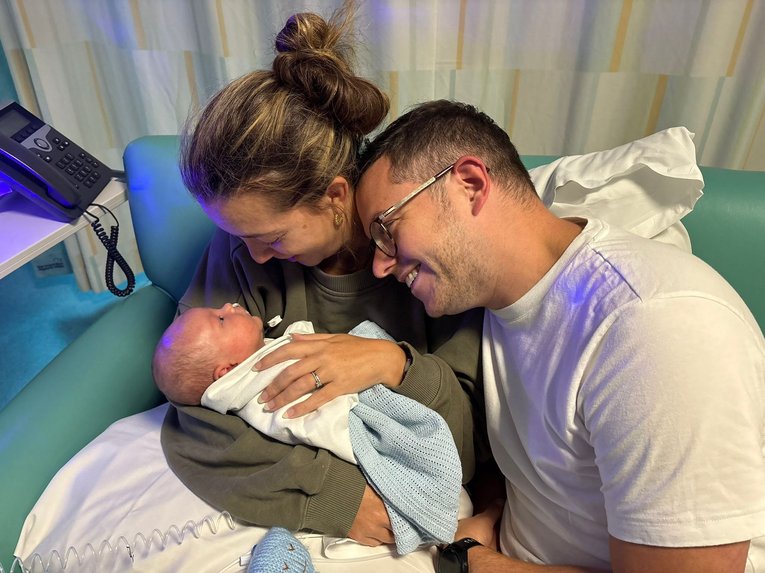
Thousands join world-first trial to save lives of critically ill children
Some of the sickest children in the UK have started to join an innovative clinical trial designed to improve the survival and recovery of children requiring intensive care treatment, led by GOSH.

GOSH surgeon receives prestigious international award
Professor Paolo De Coppi, Consultant Paediatric Surgeon at Great Ormond Street Hospital (GOSH), has been recognised as an Honorary Fellow of the American College of Surgeons (ACS), one of the most prestigious honours in global surgery.