

https://www.gosh.nhs.uk/our-research/our-research-infrastructure/nihr-great-ormond-street-hospital-brc/brc-news/brc-researchers-part-collaboration-improve-efficiency-gene-therapy-products/
BRC researchers part of collaboration to improve efficiency of gene therapy products
26 Jul 2018, 3:56 p.m.

A new collaboration aiming to develop advanced technologies for manufacturing ex vivo gene therapy products has been established between researchers at UCL Great Ormond Street Institute of Child Health (ICH) and Plasticell, a developer of stem cell technologies.The collaboration which is led by Dr Giorgia Santilli, Lecturer in Gene Therapy at the UCL Great Ormond Street Institute of Child Health (ICH), will focus on pre-clinical development of gene therapies, initially for inherited immune system disorders including Chronic Granulomatous Disease, a rare life limiting condition that affects around 1 in 200,000 people.
The work will be supported in part by a grant of £740,000 from Innovate UK and will build on previous research into gene therapies for Severe Combined Immunodeficiencies (SCIDs), Wiskott-Aldrich Syndrome (WAS) and Chronic Granulomatous Disease which has been supported by the NIHR GOSH BRC and led by Professor Adrian Thrasher, BRC Theme Lead for Gene and Stem Cell Therapies.
“Cutting edge gene therapies are already showing real benefit for children at GOSH. By working to reduce the cost and improve the efficiency of the manufacturing process in the laboratory, we hope to bring these treatments closer to patients with severe life limiting immune system conditions – not just at GOSH but across the world” said Professor Thrasher who is also Consultant and Professor of Paediatric Immunology at Great Ormond Street Hospital (GOSH) and ICH .
In the autologous ex vivo gene therapy approach, stem cells are taken from the patient’s own blood, modified outside the body (“ex vivo”) using a virus carrying a functioning copy of the missing or faulty gene, and then transplanted back into the body. This method has advantages over stem cell transplantation as the patient’s own cells are used rather than needing a suitable donor, which in turn minimises the risk of the cells being rejected by the donor.
A major challenge of gene therapy is to correct genetic faults in a significant number of stem cells and although several autologous ex vivo gene therapies for rare diseases are now approved or in the late clinical development stage these are still very expensive. The consortium will therefore use advanced technology and new screening methods to increase the number of corrected cells and improve the efficiency and cost-effectiveness of the manufacturing process.
World-first same-day metagenomics for children can detect hidden infections in intensive care
GOSH has successfully implemented a pioneering same-day respiratory metagenomics testing service for children in intensive care, helping clinicians identify infections more quickly and make better-informed treatment decision
GOSH families at the heart of major £6m project to improve support for children with complex needs
Children, young people and families from GOSH will help shape a major new research programme
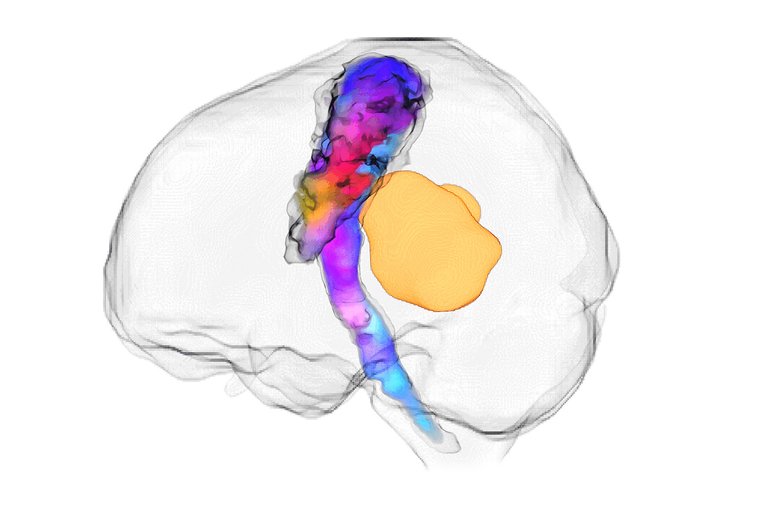
New Fellowship to develop the next generation of paediatric neuro-oncology specialists
The Tessa Jowell Brain Cancer Mission has launched it's first Paediatric Neuro-Oncology Fellowship, to support the development of specialists caring for children with brain cancers
Thousands join world-first trial to save lives of critically ill children
Some of the sickest children in the UK have started to join an innovative clinical trial designed to improve the survival and recovery of children requiring intensive care treatment, led by GOSH.