
https://www.gosh.nhs.uk/our-research/our-research-infrastructure/nihr-great-ormond-street-hospital-brc/brc-news/accelerated-approval-request-new-drug-rare-childhood-muscle-disorder/
Accelerated approval request for a new drug for a rare childhood muscle disorder
9 Sep 2015, 4:41 p.m.
A drug for Duchenne Muscular Dystrophy (DMD), originally developed by BRC Theme Lead Professor Francesco Muntoni’s Consortium in the UK, has been filed by Sarepta Therapeutics for accelerated approval by the United States Food and Drug Adminstration (FDA).The drug Eteplirsen is an antisense oligonucleotide that is designed to enable the production of a functional truncated dystrophin protein to alleviate some of the symptoms of DMD.
DMD is an X-linked rare degenerative neuromuscular disorder that causes severe progressive muscle loss and premature death. It is one of the most common fatal genetic disorders, affecting approximately one in every 3,500 boys born worldwide. A devastating and incurable muscle-wasting disease, DMD is associated with specific errors in the gene that codes for dystrophin, a protein that plays a key structural role in muscle fibre function. The condition is universally fatal, and death usually occurs before the age of 30.
The findings from the original study were reported in the Lancet in 2011. The first patient to receive the systemic injection of this novel compound was performed in the BRC-supported Somers Clinical Research Facility at GOSH.
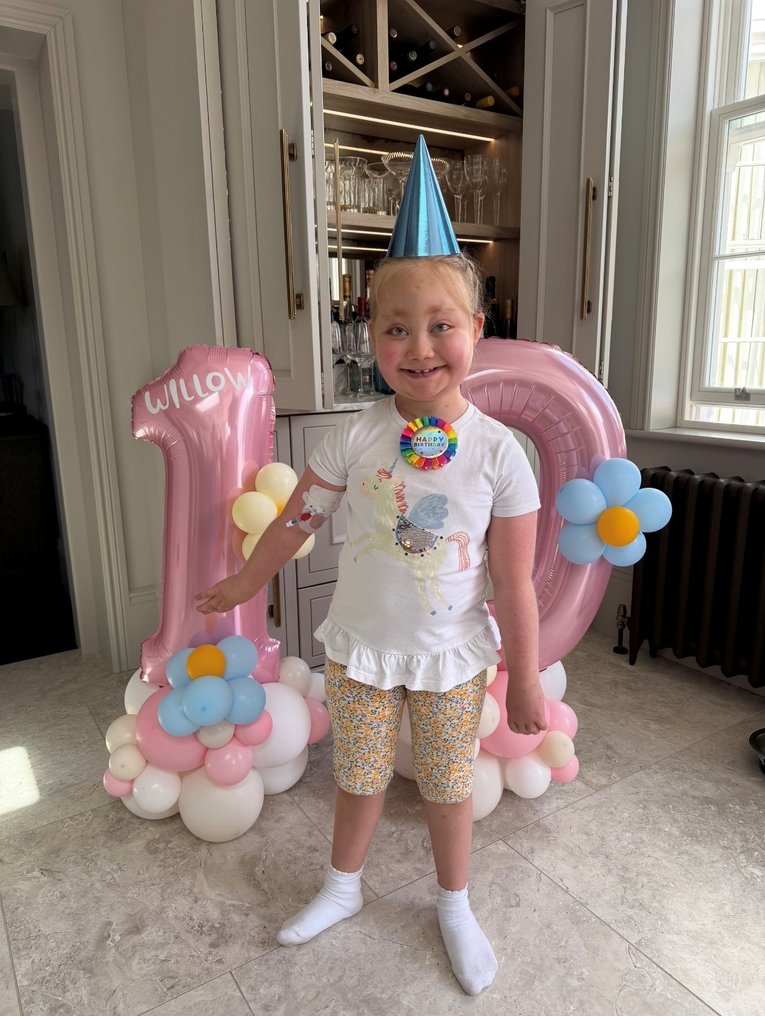
World-first same-day metagenomics for children can detect hidden infections in intensive care
GOSH has successfully implemented a pioneering same-day respiratory metagenomics testing service for children in intensive care, helping clinicians identify infections more quickly and make better-informed treatment decision
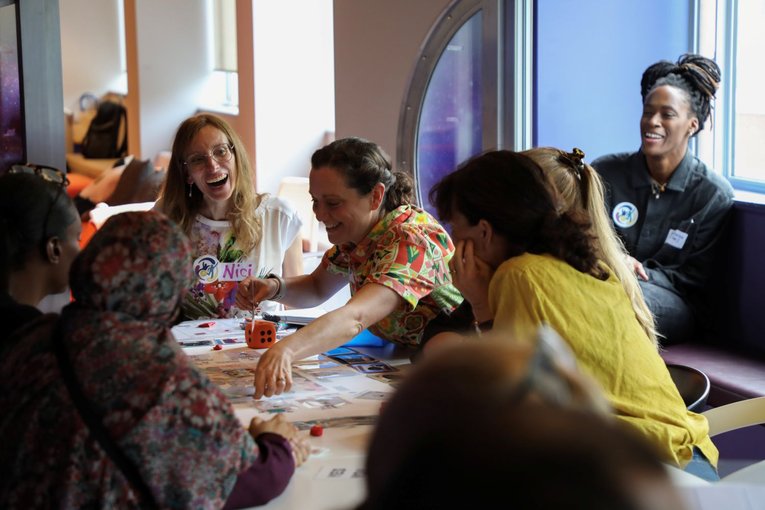
GOSH families at the heart of major £6m project to improve support for children with complex needs
Children, young people and families from GOSH will help shape a major new research programme
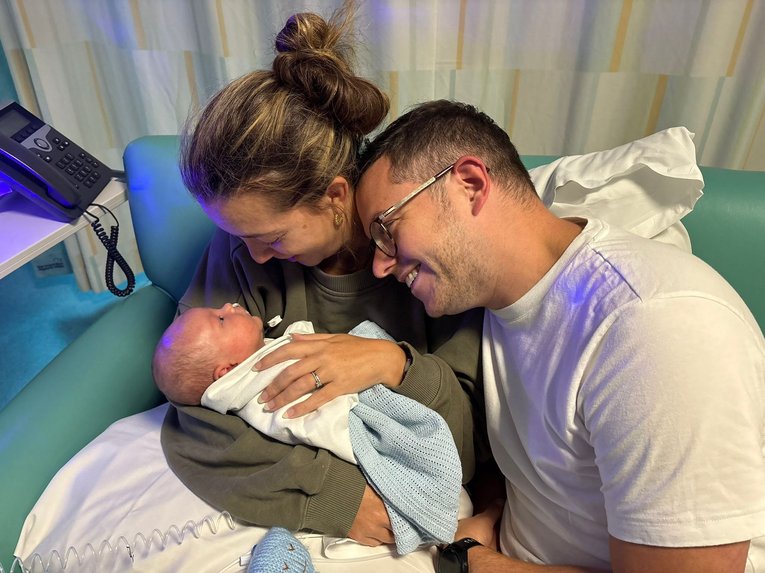
Thousands join world-first trial to save lives of critically ill children
Some of the sickest children in the UK have started to join an innovative clinical trial designed to improve the survival and recovery of children requiring intensive care treatment, led by GOSH.

GOSH surgeon receives prestigious international award
Professor Paolo De Coppi, Consultant Paediatric Surgeon at Great Ormond Street Hospital (GOSH), has been recognised as an Honorary Fellow of the American College of Surgeons (ACS), one of the most prestigious honours in global surgery.