
https://www.gosh.nhs.uk/our-research/our-research-infrastructure/nihr-great-ormond-street-hospital-brc/brc-news/75000-boost-duchenne-muscular-dystrophy-gene-therapy-research/
£75,000 boost for Duchenne Muscular Dystrophy gene therapy research
8 Aug 2017, 4:03 p.m.

GOSH Biomedical Research Centre researcher Dr John Counsell has been awarded up to £75,000 of funding from the UCL Therapeutic Acceleration Support (TAS) Fund for a study exploring the use of novel vectors in gene therapy for Duchenne Muscular Dystrophy (DMD).The UCL TAS Fund aims to accelerate the transition from discovery science to the early stages of therapeutic development, by providing funding, guidance and support to overcome hurdles in progression to clinical practice.
In its inaugural call, 10 individual project proposals (from 21 received) were each awarded TAS funding of up to £75,000 for up to 12 months. Dr John Counsell led the successful bid for a study entitled “Validating the safety and efficacy of novel lentiviral vector technology in stem cell therapy for Duchenne Muscular Dystrophy (DMD)”.
DMD is a severe muscle-wasting disease for which there is currently no cure. It is caused by errors in the dystrophin gene which affects production of an essential muscle protein. Dr Counsell’s project aims to use improved vectors to deliver functional versions of the dystrophin gene into the cells of affected patients and would potentially provide a best in class therapy. Having demonstrated proof-of-concept in a recent publication the TAS Panel agreed that the potential to validate a novel therapeutic platform, and thereby pursue a relatively quick and well-defined path into the clinic for DMD, is very appealing.
Managed by the Translation Research Office (TRO), the TAS fund is supported by the MRC, the Wellcome Trust and the three National Institute for Health Research (NIHR) Biomedical Research Centres (BRCs) affiliated with UCL - including the NIHR GOSH BRC.
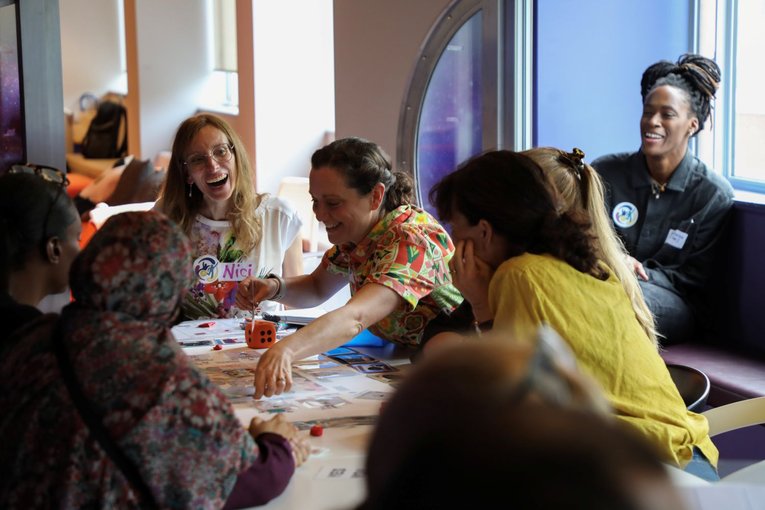
GOSH families at the heart of major £6m project to improve support for children with complex needs
Children, young people and families from GOSH will help shape a major new research programme
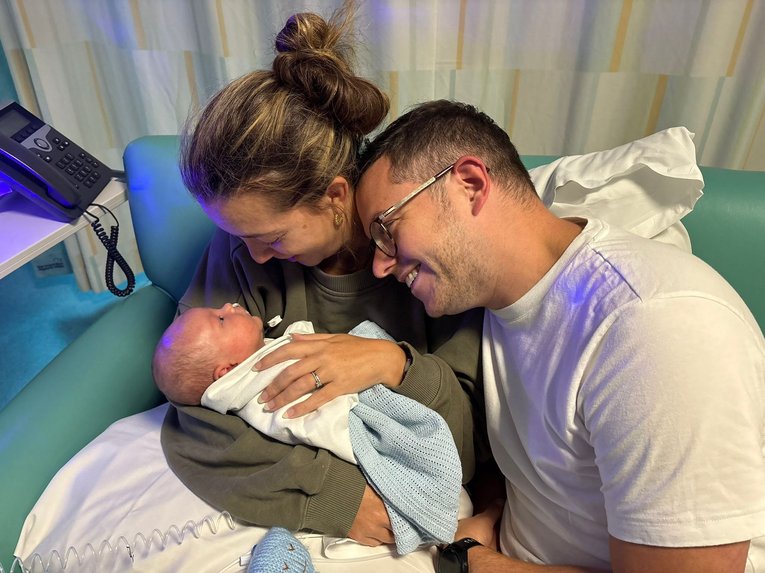
Thousands join world-first trial to save lives of critically ill children
Some of the sickest children in the UK have started to join an innovative clinical trial designed to improve the survival and recovery of children requiring intensive care treatment, led by GOSH.

GOSH surgeon receives prestigious international award
Professor Paolo De Coppi, Consultant Paediatric Surgeon at Great Ormond Street Hospital (GOSH), has been recognised as an Honorary Fellow of the American College of Surgeons (ACS), one of the most prestigious honours in global surgery.
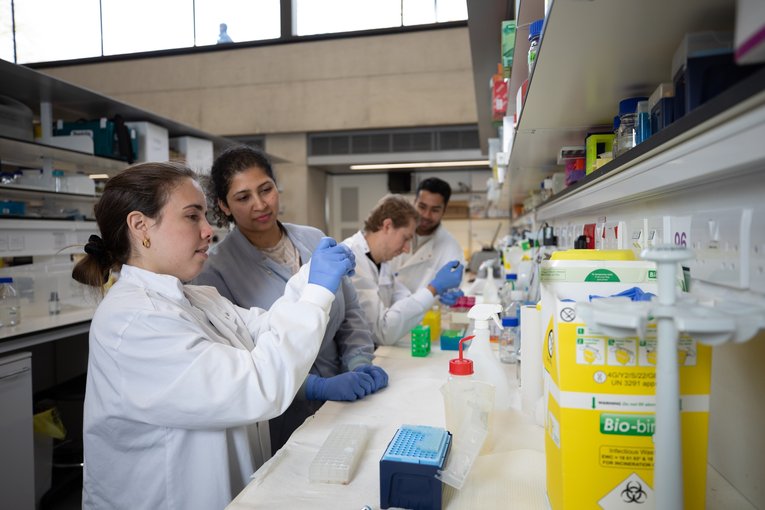
Researchers funded to cure inflammatory disease
Researchers from University College London (UCL) and Great Ormond Street Hospital (GOSH) will join researchers across the UK and international partners in a bid to transform how chronic inflammatory disease is treated.