
https://www.gosh.nhs.uk/our-research/our-research-infrastructure/nihr-great-ormond-street-hospital-brc/brc-news/1-million-award-develop-gene-therapy-rare-blood-disorder-fhl-2/
£1 million award to develop gene therapy for rare blood disorder FHL-2
12 Jun 2018, 9:31 a.m.
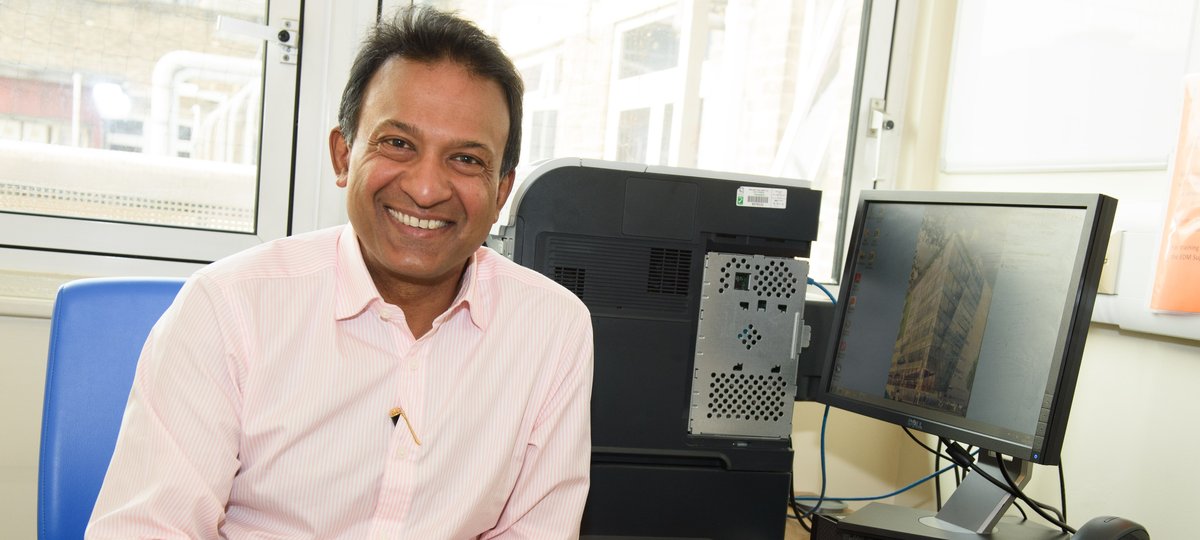
Professor Bobby Gaspar is to receive investment of up to £1million from the UCL Technology Fund (UCLTF) to support development of a gene therapy for familial haemophagocytic lymphohistiocytosis (FHL type 2 or ‘FHL-2’) through to a clinical trial.The new therapy, which will build on the preclinical work of Professor Gaspar and colleagues supported by the NIHR Great Ormond Street Hospital (GOSH) Biomedical Research Centre, could potentially cure patients of a rare but deadly inherited disease.
FHL-2 is caused by errors in the perforin gene which leads to failure of key immune cells known as T-cells to kill invaders - usually bacteria, fungi, or cancer cells. As a result, the disease is severely life-limiting if untreated, and the only existing therapy – bone marrow transplant – can cause significant complications especially if no suitable donor is available.
A number of genetic diseases resulting from mutations in single genes have been successfully treated in recent years using ex vivo gene therapy based on a lentiviral vector. Using a similar approach, Professor Gaspar and colleagues at GOSH and the UCL Great Ormond Street Institute for Child Health have demonstrated in a number of preclinical experiments that their approach has the potential to correct this devastating disease.
The funding provided by UCLTF is intended to support completion of the final preclinical steps (including biodistribution and toxicology studies) leading to a first-in-man, proof-of-concept clinical trial at GOSH with the potential to save the lives of children with FHL-2.
Read more on the UCLB and UCLTF website.
World-first same-day metagenomics for children can detect hidden infections in intensive care
GOSH has successfully implemented a pioneering same-day respiratory metagenomics testing service for children in intensive care, helping clinicians identify infections more quickly and make better-informed treatment decision
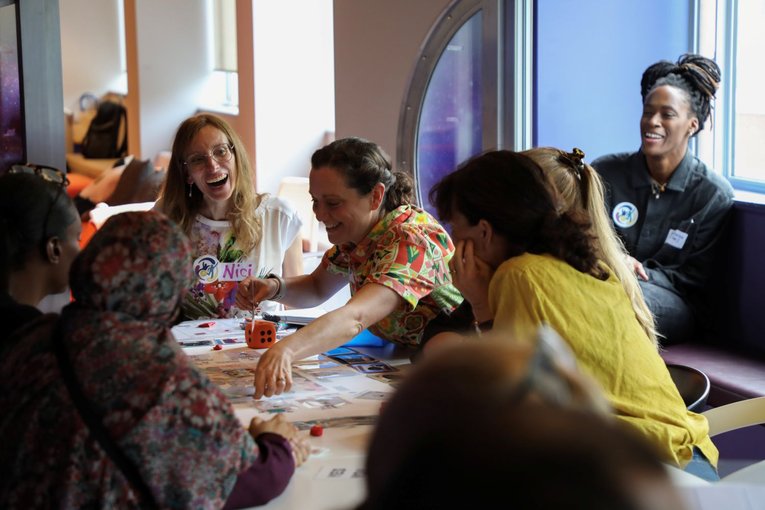
GOSH families at the heart of major £6m project to improve support for children with complex needs
Children, young people and families from GOSH will help shape a major new research programme
Thousands join world-first trial to save lives of critically ill children
Some of the sickest children in the UK have started to join an innovative clinical trial designed to improve the survival and recovery of children requiring intensive care treatment, led by GOSH.

GOSH surgeon receives prestigious international award
Professor Paolo De Coppi, Consultant Paediatric Surgeon at Great Ormond Street Hospital (GOSH), has been recognised as an Honorary Fellow of the American College of Surgeons (ACS), one of the most prestigious honours in global surgery.