
https://www.gosh.nhs.uk/news/world-first-gene-therapy-to-target-devastating-rare-immune-disorder/
World-first gene therapy to target devastating rare immune disorder
29 Jun 2026, 11:16 a.m.
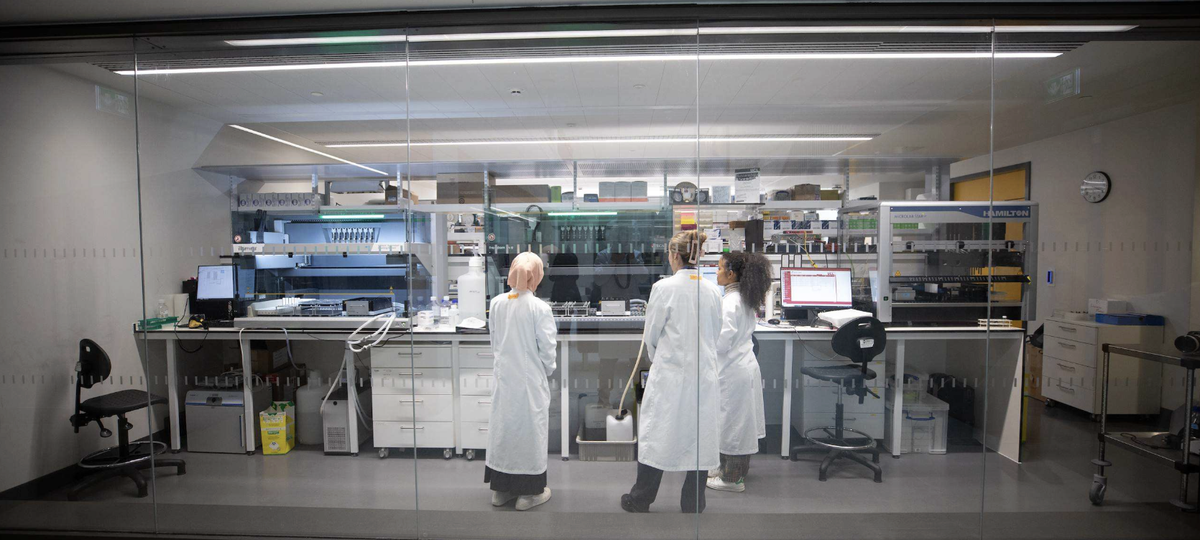
A first-of-its-kind gene therapy to treat people with CTLA-4 insufficiency, a rare and life-limiting inherited immune disorder, is being advanced through a collaboration supported by LifeArc, a self-funded medical research organisation, and developed by scientists at University College London (UCL), with manufacturing support from NHS Blood and Transplant (NHSBT) and Great Ormond Street Hospital (GOSH).
CTLA-4 insufficiency is a rare genetic condition that disrupts how the immune system is controlled. CTLA-4 normally acts as a critical “off switch”, specifically helping prevent overactivation of T cells (a type of white blood cell). When this mechanism fails, patients can develop a range of symptoms, from bowel inflammation to changes in the numbers of different types of blood cells, which can lead to recurrent infections and significantly reduced life expectancy. Most people develop symptoms in childhood, with the majority affected before the age of 18.
Current treatments focus on managing these symptoms, for example with immunosuppressive medicines. In some cases, a bone marrow transplant may offer the hope of a cure, by replacing all immune cells, which are produced by bone marrow. But these transplants come with significant risks and are not always possible.
A new approach
This new therapy takes a different approach by replacing a faulty gene in a patient’s own immune cells. In the lab, scientists can use a tool, often called ‘molecular scissors’ (CRISPR/Cas9), to remove the faulty gene and replace it with a healthy one. The corrected cells are then returned to the patient to help restore normal function.
Early pre-clinical studies have shown encouraging results, with corrected cells demonstrating improved control of immune activity. The programme will now move through further development and manufacturing ahead of a planned first-in-human Phase I clinical trial in up to 8 patients, aged between one and 65, currently expected to begin in 2028.
National collaboration
Manufacturing and translational development are being supported by NHSBT’s Clinical Biotechnology Centre, part of the LifeArc and Medical Research Council-funded Innovation Hubs for Gene Therapies network, which provides specialist capabilities to accelerate patient access to advanced genetic medicines. NHSBT will manufacture the AAV6 viral vector used to deliver the corrected gene into the patient’s T cells. GOSH will manufacture the final cell therapy product and act as the sponsor of the clinical trial. GOSH, UCLH and the Royal Free Hospital are expected to serve as clinical sites for patient treatment.
If successful, this approach could offer a long-lasting treatment option, reducing the need for lifelong treatment or bone marrow transplant. It may also help pave the way for similar treatments in other rare immune disorders.
Professor Claire Booth, Consultant in Paediatric Immunology at GOSH and Mahboubian Professor in Gene Therapy at UCL Great Ormond Street Institute of Child Health, said: “Great Ormond Street Hospital is committed to advancing pioneering cell and gene therapies for children with rare and complex immune diseases. Acting as sponsor and manufacturer for this trial reflects our ongoing commitment to translating innovative science into clinical benefit.”
Commenting on the new therapy, Sam Barrell, CEO at LifeArc, said: “This is an important milestone in advancing a truly innovative therapy for a life-limiting rare disease. By supporting this research, we hope to help accelerate the development of an approach that aims to address the underlying cause of the condition, rather than simply manage its symptoms.
“While further research is needed, advances like this demonstrate the potential of innovative cell and gene therapies to transform outcomes for patients with rare diseases. At LifeArc, we are committed to supporting the translation of promising science into treatments that can make a meaningful difference to people's lives."
Dr Thomas Fox, Consultant Haematologist and Principal Investigator for the research trial at UCL and UCLH, said: “This is a highly collaborative effort to bring a new therapeutic approach to patients with CTLA-4 insufficiency. By correcting the genetic fault in a patient’s own T cells, we hope to deliver a treatment that addresses the root cause of the disease. This represents an important step forward for patients who currently have very limited options.”

GOSH surgeon receives prestigious international award
Professor Paolo De Coppi, Consultant Paediatric Surgeon at Great Ormond Street Hospital (GOSH), has been recognised as an Honorary Fellow of the American College of Surgeons (ACS), one of the most prestigious honours in global surgery.
Researchers funded to cure inflammatory disease
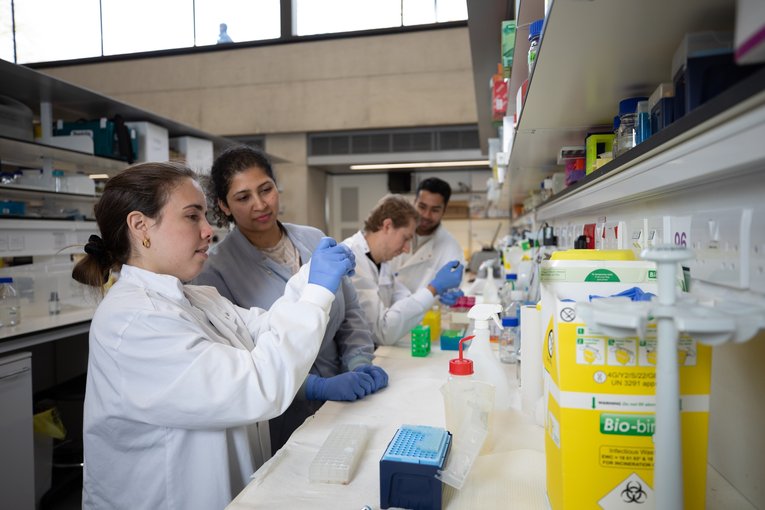
Researchers from University College London (UCL) and Great Ormond Street Hospital (GOSH) will join researchers across the UK and international partners in a bid to transform how chronic inflammatory disease is treated.
Innovative imaging project aims to save children’s sight
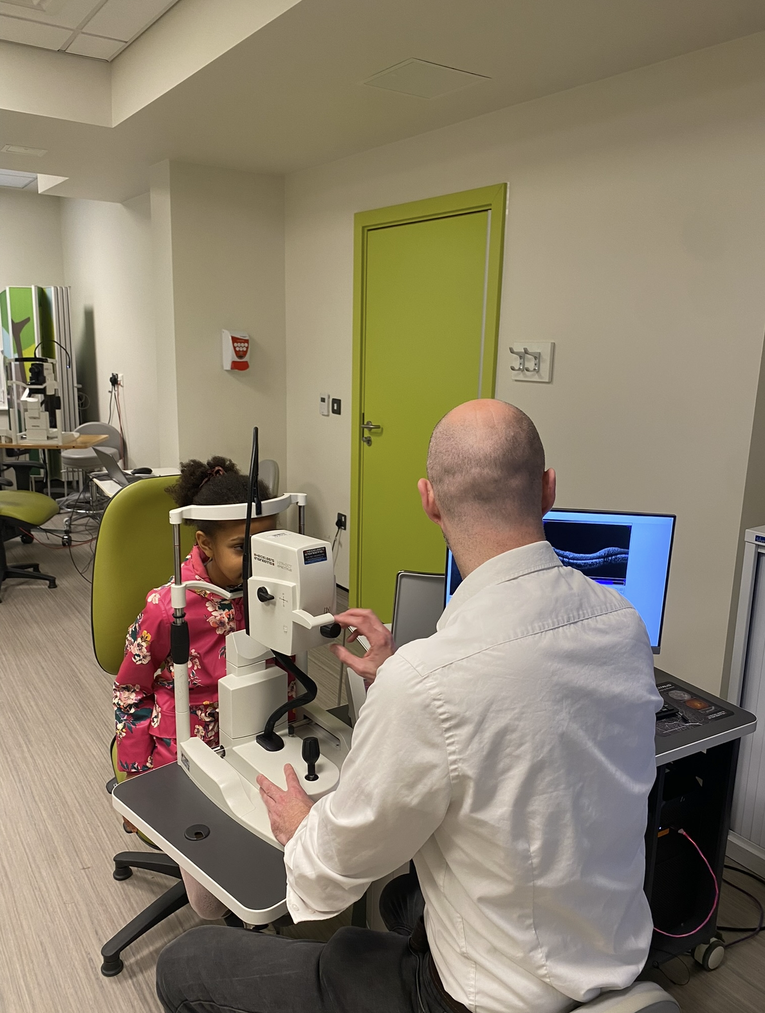
Researchers from GOSH and UCL are leading a project that could transform how children at risk of sight loss are monitored, by adapting advanced eye imaging technology for use closer to home
Five GOSH clinicians recognised with professorial appointments at UCL
Five clinician researchers from GOSH have been promoted to professor by University College London (UCL), recognising their outstanding contributions to research, innovation and child health.