https://www.gosh.nhs.uk/news/number-of-children-referred-to-hospital-for-swallowing-foreign-objects-doubles-during-first-lockdown/
First lockdown sees sharp rise in children swallowing small objects
28 Jul 2021, 4 p.m.

The number of children referred to Great Ormond Street Hospital for Children between March and September 2020 after swallowing a foreign object was more than double that recorded in the same period the year before, according to new research published today in BMJ Paediatrics Open.
Of the objects swallowed, button batteries were the most common, followed by magnets. These objects can cause life threatening and life changing injuries and a growing body of evidence shows that small magnetic toys and button batteries are increasingly causing serious harm to children.
Researchers used GOSH’s electronic patient records system to identify children presenting with foreign body ingestion from March to September 2020. This was compared to the same time period the year before as a control.
During the six month period reviewed – which coincided with the first lockdown - two and a half times more children presented with foreign body ingestion (n=25) compared to the control group (n=10) from one year previously.
Of these children, two-thirds required serious surgical intervention during the pandemic period compared with only one third during the control period. 73% of children during the pandemic period also required admission to GOSH, compared with only 40% in the control group.
Three patients admitted during the pandemic period developed significant complications after swallowing either a button battery or magnets. One child needed two reconstructive operations and had a lengthy stay in ICU. Two other children suffered bowel perforations and needed a long surgical admission. In May, NHSE called for a ban on tiny magnetic balls being sold as toys after large numbers of children were admitted to hospital for swallowing them. Ariana Nicolaou, whose three-year-old daughter Melina swallowed magnetic beads in February this year is keen to support the ban. Melina was admitted to GOSH after swallowing 28 beads and had to stay for nine days.
“The beads had to be removed in surgery one by one as they had formed a loop around her small intestines and burnt two holes. Thankfully the holes could be repaired and we know for some children it has been so much worse, but Melina is only now fully recovered from the surgery and it was a traumatic experience for all of us.
“I don’t want this to ever happen to another child. There is no benefit to these beads being sold as toys – they’re just huge risks to children. If I can help one parent not have to go through what we did I will feel happier.”
“Young children can be incredibly curious but swallowing a button battery or magnet can be life threatening or life altering. We are incredibly concerned about the increase in the numbers of children we are seeing with injuries caused by these toys. We are keen to support calls to remove dangerous toys from the market and legislative change to prevent button batteries and magnets being swallowed.”
“If you suspect your child has swallowed a button battery or magnet you should take them to hospital immediately. Quick medical attention is absolutely vital as life changing injuries can occur in a matter of hours.”
World-first same-day metagenomics for children can detect hidden infections in intensive care
GOSH has successfully implemented a pioneering same-day respiratory metagenomics testing service for children in intensive care, helping clinicians identify infections more quickly and make better-informed treatment decision
GOSH families at the heart of major £6m project to improve support for children with complex needs
Children, young people and families from GOSH will help shape a major new research programme
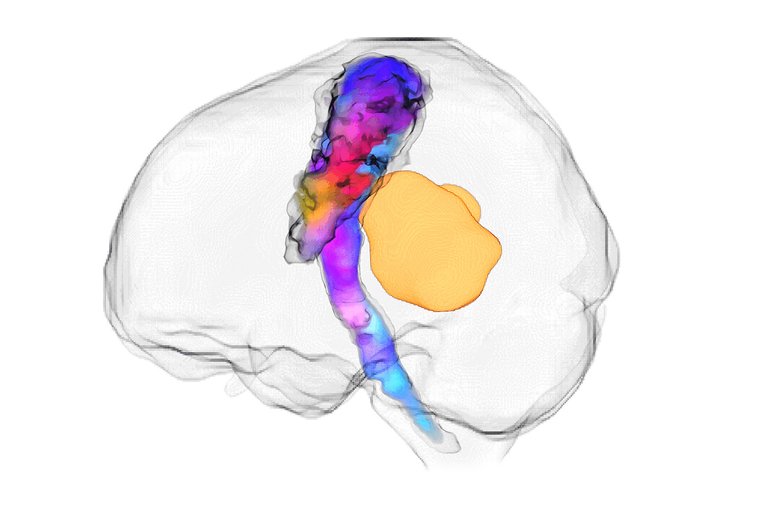
New Fellowship to develop the next generation of paediatric neuro-oncology specialists
The Tessa Jowell Brain Cancer Mission has launched it's first Paediatric Neuro-Oncology Fellowship, to support the development of specialists caring for children with brain cancers
Thousands join world-first trial to save lives of critically ill children
Some of the sickest children in the UK have started to join an innovative clinical trial designed to improve the survival and recovery of children requiring intensive care treatment, led by GOSH.