https://www.gosh.nhs.uk/news/gosh-joins-groundbreaking-genetic-study-covid-19/
GOSH joins groundbreaking genetic study into COVID-19
13 May 2020, 9:26 a.m.

Great Ormond Street Hospital (GOSH) is recruiting COVID-19 patients to participate in a new nationwide study looking at why some people are more severely affected by the virus than others, as part of a partnership between the GenOMICC Study Consortium (led by the University of Edinburgh) and Genomics England.
The study, announced today by the Secretary of State for Health and Social Care, Matt Hancock, will help us better understand the virus’ varied effects and support the search for treatments.
It could explain why some patients with COVID-19 experience a mild infection, others require intensive care and why for some it is sadly fatal.
Researchers from the University of Edinburgh’s GenOMICC project, will work together with Genomics England and over 170 NHS hospitals, including GOSH. While a key aim of the project is understanding how the virus affects particularly vulnerable groups, including older people, the data from children and young people at GOSH could reveal vital information about why children tend to be less severely affected.
GOSH consultant and intensive care researcher Professor Mark Peters says: “We’re studying DNA from children in intensive care, looking for key differences in people who are more able, or less able, to fight off the infection. Understanding how genetic characteristics are linked to the body’s ability to fight off COVID-19 could help us protect those most at risk, or even develop new treatments.”
The study aims to sequence the genomes of 20,000 people – adults and children - who are severely ill with COVID-19. Around 2,000 patients have been recruited to the GenOMICC study already, including 5 patients from GOSH.
The data collected by GOSH and others will be compared to that from a further 15,000 COVID-19 patients who experienced only mild symptoms. These data will be collected from participants in the 100,000 Genomes Project and UK Biobank.
By discovering why some people are predisposed to developing life-threatening symptoms, the project could lead to new insights into the virus, as well as possible human factors that influence the effects of the disease, and whether a combination of both shape outcomes for NHS patients.
Dr Kenneth Baillie, Chief Investigator on the GenOMICC study, said: "Our genes play a role in determining who becomes desperately sick with infections like COVID-19. Understanding these genes will help us to choose treatments for clinical trials. The GenOMICC study has been running since 2016, and has been investigating genetic factors that impact how patients fare in response to a number of severe illnesses. Since the beginning of the COVID-19 outbreak, and with the tremendous support of the UK critical care community, the study has expanded and accelerated enormously, and we are now recruiting in over 170 ICUs across the country. I am delighted to be working with GOSH to deliver this important work.”
GOSH is involved in a number of COVID-19 research projects, from global studies to bespoke projects focused on our patients. Read more about how we’re helping to tackle the virus at gosh.nhs.uk/news/five-covid-19-questions-we-re-trying-answer.
All research at GOSH is underpinned by support from Great Ormond Street Hospital Children’s Charity (GOSH Charity) and the NIHR Great Ormond Street Hospital Biomedical Research Centre (BRC).
World-first same-day metagenomics for children can detect hidden infections in intensive care
GOSH has successfully implemented a pioneering same-day respiratory metagenomics testing service for children in intensive care, helping clinicians identify infections more quickly and make better-informed treatment decision
GOSH families at the heart of major £6m project to improve support for children with complex needs
Children, young people and families from GOSH will help shape a major new research programme
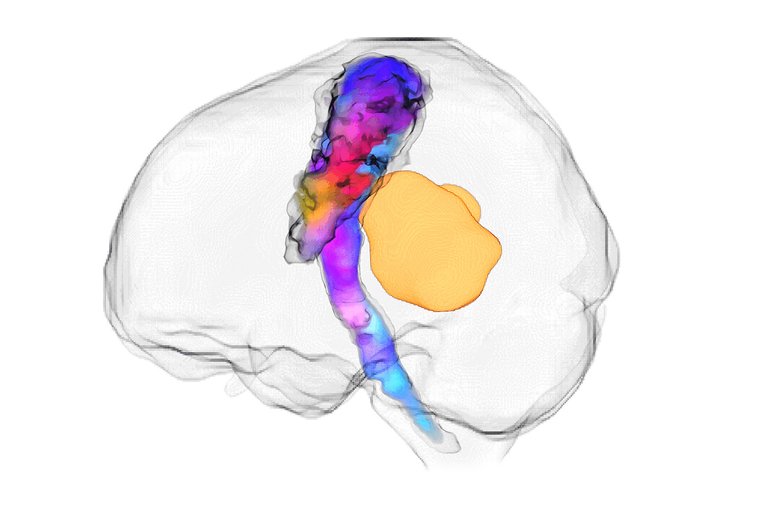
New Fellowship to develop the next generation of paediatric neuro-oncology specialists
The Tessa Jowell Brain Cancer Mission has launched it's first Paediatric Neuro-Oncology Fellowship, to support the development of specialists caring for children with brain cancers
Thousands join world-first trial to save lives of critically ill children
Some of the sickest children in the UK have started to join an innovative clinical trial designed to improve the survival and recovery of children requiring intensive care treatment, led by GOSH.