
https://www.gosh.nhs.uk/news/gene-therapy-successfully-treats-deadly-childhood-liver-disease-in-mice/
Gene therapy successfully treats deadly childhood liver disease in mice
29 Jun 2026, 11:16 a.m.
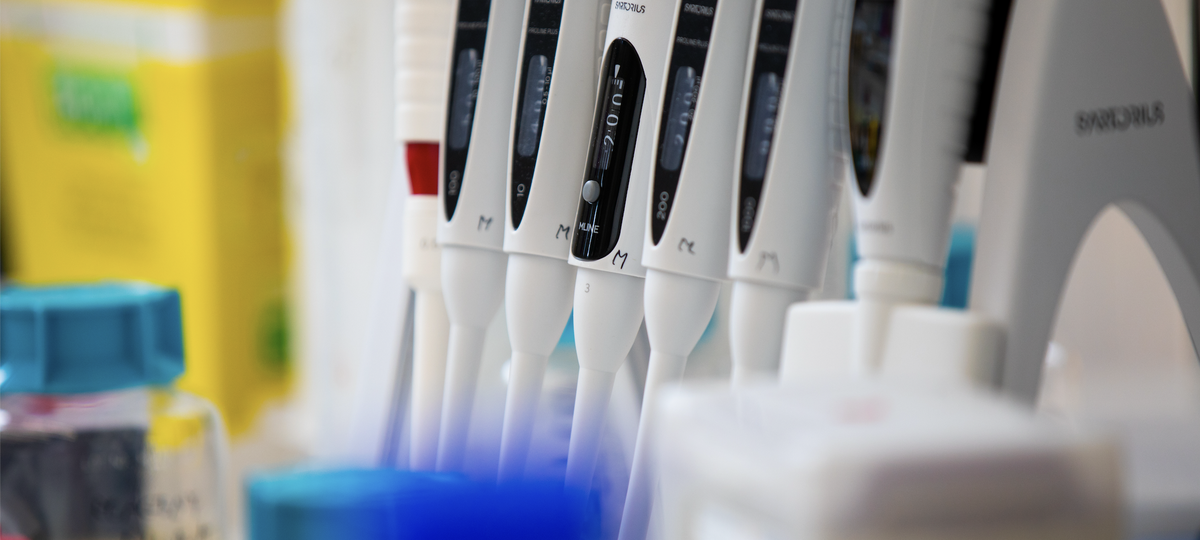
Researchers at Great Ormond Street Hospital (GOSH) and University College London (UCL) have used a new gene therapy to successfully treat a deadly childhood liver disease in mice. Published in Nature Communications, the work raises the possibility of entirely new treatment approaches for babies born with Arthrogryposis, Renal dysfunction and Cholestasis (ARC) syndrome, a genetic disease that often leads to early death.
Promising results in mice
In the UK, as many as six pregnancies per year might be affected by ARC syndrome. ARC syndrome is caused by changes in a gene called VPS33B. This gene helps liver cells move bile, a fluid that breaks down fats, from the liver into the gut. When VPS33B does not work properly, harmful substances build up in the body and can lead to life‑threatening infections. At the moment, there are no effective treatments and many babies with ARC do not live beyond their first year of life.
To study new treatments, researchers used mice that lacked working VPS33B. The mice were then given a one‑off gene therapy, designed to provide a healthy working copy of the missing gene to liver cells. After treatment, the mice’s livers started to work more normally, more mice survived and their livers showed less scarring than mice that did not receive gene therapy.
Dr Claudiu Cozmescu, lead author at UCL Great Ormond Street Institute of Child Health, said: “Our findings are important because it provides proof-of-concept that gene therapy could become a realistic treatment for ARC syndrome and potentially other inherited liver diseases that currently have few or no effective options.”
Making gene therapy safer
Early versions of the treatment sent the gene to many types of cells in the body and some mice developed liver tumours, showing a risk of cancer if gene therapy is not carefully designed. Researchers then created a safer version that only targets liver cells, with levels of the replacement gene kept close to normal. None of the mice given this liver‑targeted treatment developed liver tumours, suggesting that gene therapy can be both effective and safe when it is precisely controlled.
Professor Paul Gissen, co-author at UCL Great Ormond Street Institute of Child Health and Director Designate of the National Institute for Health and Care Research GOSH Biomedical Research Centre, said: “The final version of the treatment is shown to be safe so far. The earlier version gave us a new window into the understanding of how to make gene therapies safer for the patients. One of these insights is to keep the levels of genes as close to those found in healthy cells as possible.”
The study is an important first step, and more work is needed before the treatment can be tested in children. The researchers will now carry out longer‑term safety studies in animals and continue to refine the treatment. These could also help scientists understand why some gene therapies may increase cancer risk and how to design safer treatments in the future.
The work was supported by GOSH Charity and LifeArc. All research at GOSH is supported by the NIHR GOSH Biomedical Research Centre but the NIHR did not directly fund the animal research.

GOSH surgeon receives prestigious international award
Professor Paolo De Coppi, Consultant Paediatric Surgeon at Great Ormond Street Hospital (GOSH), has been recognised as an Honorary Fellow of the American College of Surgeons (ACS), one of the most prestigious honours in global surgery.
Researchers funded to cure inflammatory disease
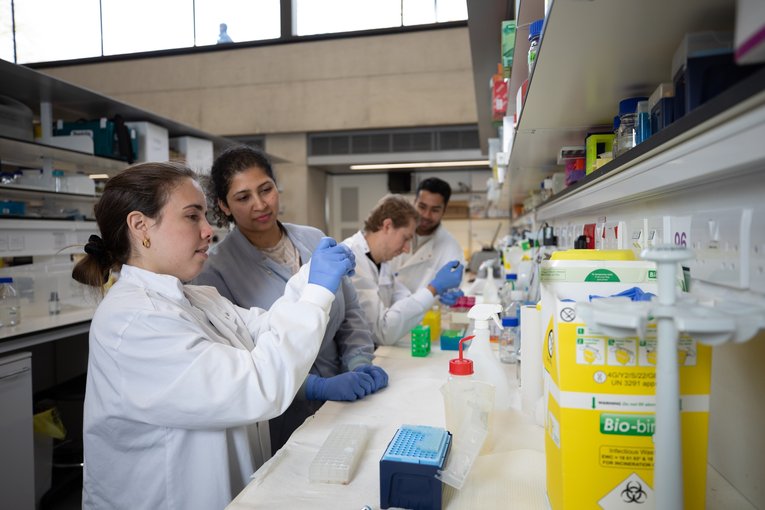
Researchers from University College London (UCL) and Great Ormond Street Hospital (GOSH) will join researchers across the UK and international partners in a bid to transform how chronic inflammatory disease is treated.
Innovative imaging project aims to save children’s sight
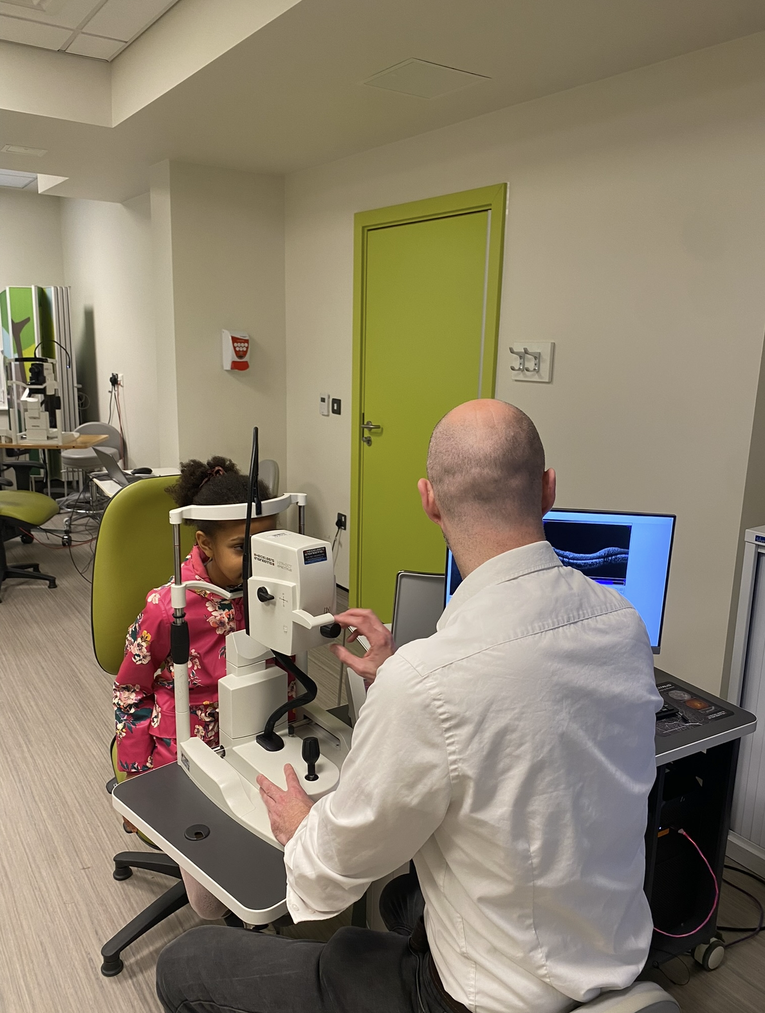
Researchers from GOSH and UCL are leading a project that could transform how children at risk of sight loss are monitored, by adapting advanced eye imaging technology for use closer to home
Five GOSH clinicians recognised with professorial appointments at UCL
Five clinician researchers from GOSH have been promoted to professor by University College London (UCL), recognising their outstanding contributions to research, innovation and child health.