
https://www.gosh.nhs.uk/our-research/our-research-infrastructure/nihr-great-ormond-street-hospital-brc/brc-news/treatment-central-nervous-system-well-peripheral-organs-proves-beneficial-severe-cases-spinal-0/
Treatment of the central nervous system as well as the peripheral organs proves beneficial in severe cases of Spinal Muscular Atrophy (SMA)
18 Dec 2015, 1:26 p.m.

A pre-clinical study investigating treatment options for a severe form of Spinal Muscular Atrophy (SMA) has demonstrated that optimal treatment of a morpholino antisense oligonucleotide drug is achieved when the drug reaches the central nervous system as well as the peripheral organs.Additionally, this study has better defined the window of therapeutic response after chronic therapy, information that will prove very important when considering therapeutic intervention in patients with SMA.
SMA is a genetic neuromuscular disease, which means it is inherited and affects nerve cells responsible for muscle function. Although classified as rare, SMA is the leading genetic killer of infants and toddlers, with approximately 95% of the most severely diagnosed cases resulting in death by the age of 18 months. Children with a less severe form of SMA face the prospect of progressive muscle wasting, loss of mobility and motor function.
The information of the role of targeting the peripheral organs comes at a crucial time when clinical trials in SMA patients are in their infancy. Current clinical trials focus on delivering the antisense drug treatment to the central nervous system only. Based on these findings, the team has joined forces with Professor Matthew Wood (Oxford) and Dr Mike Gait (Cambridge) to study a new class of antisense oligonucleotide drugs which can be delivered systematically and retain activity in both the central nervous system and the periphery.
The study findings were published in Human Molecular Genetics. NIHR Great Ormond Street Hospital BRC-funded Senior Research Associate Dr Haiyan Zhou, who is the first author in this study, was awarded the annual Léa Rose Spinal Muscular Atrophy Prize for the most outstanding contribution to spinal muscular atrophy (SMA) research at the 20th international World Muscle Society Congress in Brighton.
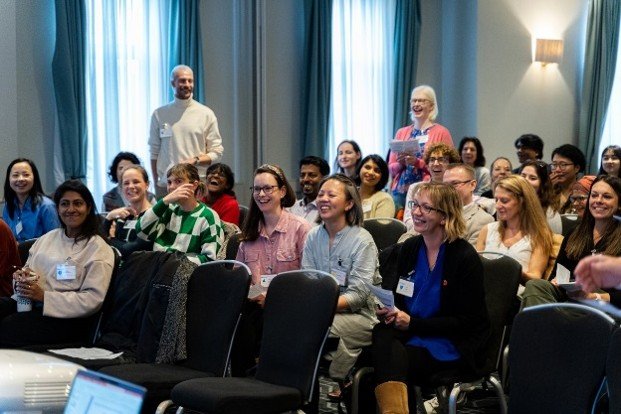
Building the next generation of paediatric research leaders
From early career clinicians to emerging scientists, the NIHR GOSH Biomedical Research Centre (BRC)’s Academic Training Weekend is shaping the future of paediatric research - bringing together talent, expertise and ambition from across the UK.
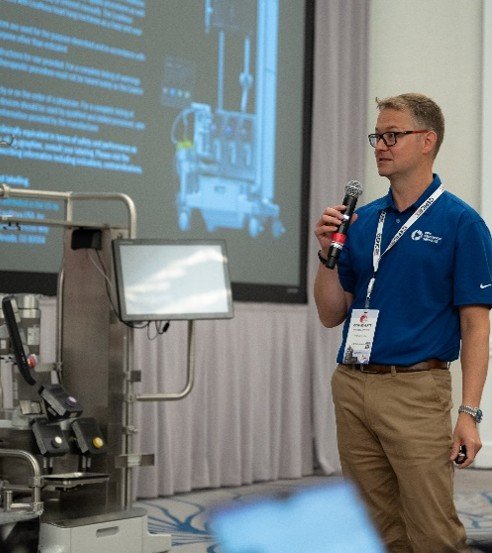
A catalyst to unlock the next generation of research leaders
The NIHR GOSH Biomedical Research Centre (BRC) Fellowships are transforming early-career researchers into independent leaders - driving innovation, attracting millions in funding and shaping the future of paediatric science.
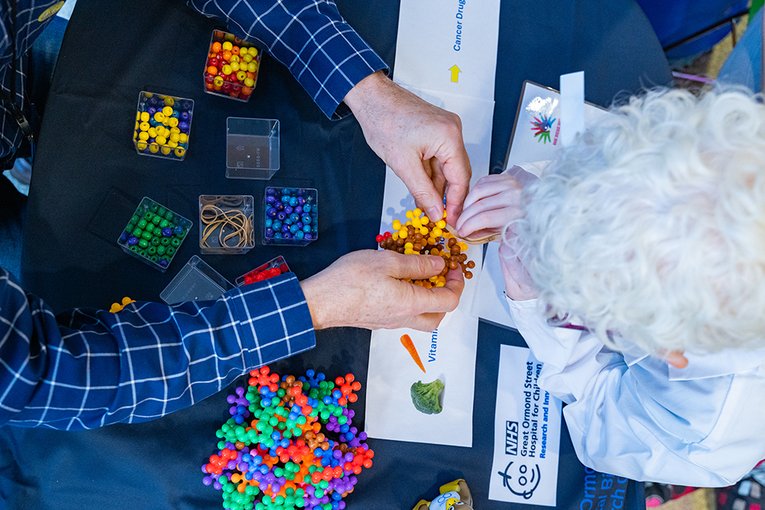
Shaping better research from the start
At GOSH, patient and public involvement is helping researchers to ask the right question, right from the start.
Research internships: building a more inclusive pipeline into clinical academia
Through our Research Hospital Internship programme, the NIHR GOSH Biomedical Research Centre (BRC) is enabling healthcare professionals from diverse backgrounds to take their first steps into research.