https://www.gosh.nhs.uk/news/patients-and-public-help-create-multilingual-resources-for-expectant-parents/
Patients and public help create multilingual resources for expectant parents
4 Jun 2025, 3:21 p.m.
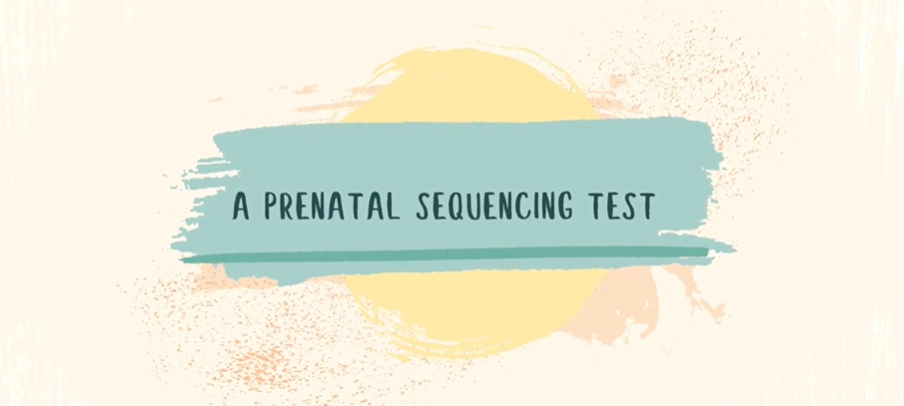
A group of clinicians and researchers at GOSH have developed information about a test offered in pregnancy called prenatal sequencing in the UK’s 12 most common languages.
Through working with families who were offered this test in pregnancy, the research team at GOSH learned that families need more accessible information about prenatal sequencing. To meet this need, they worked with experts and parents with lived experience of prenatal testing to develop an animation that explains what to expect if you are offered this test. The animation was subtitled but was only available in English.
Improving access

Through funding from the NIHR GOSH Biomedical Research Centre, the animation has now been translated into the UK’s 11 most spoken languages after English: Bengali, Urdu, Romanian, Polish, Arabic, Greek, Mandarin, Italian, Portuguese, Spanish, and French.
This suite of resources is aimed at parents undergoing prenatal sequencing in the current NHS service. Offering the animation in multiple languages contributes to health equity, ensuring that more parents are able to access information about prenatal sequencing in a format that best suits their needs and in their first language. You can find all the videos on an introduction to prenatal testing for families.
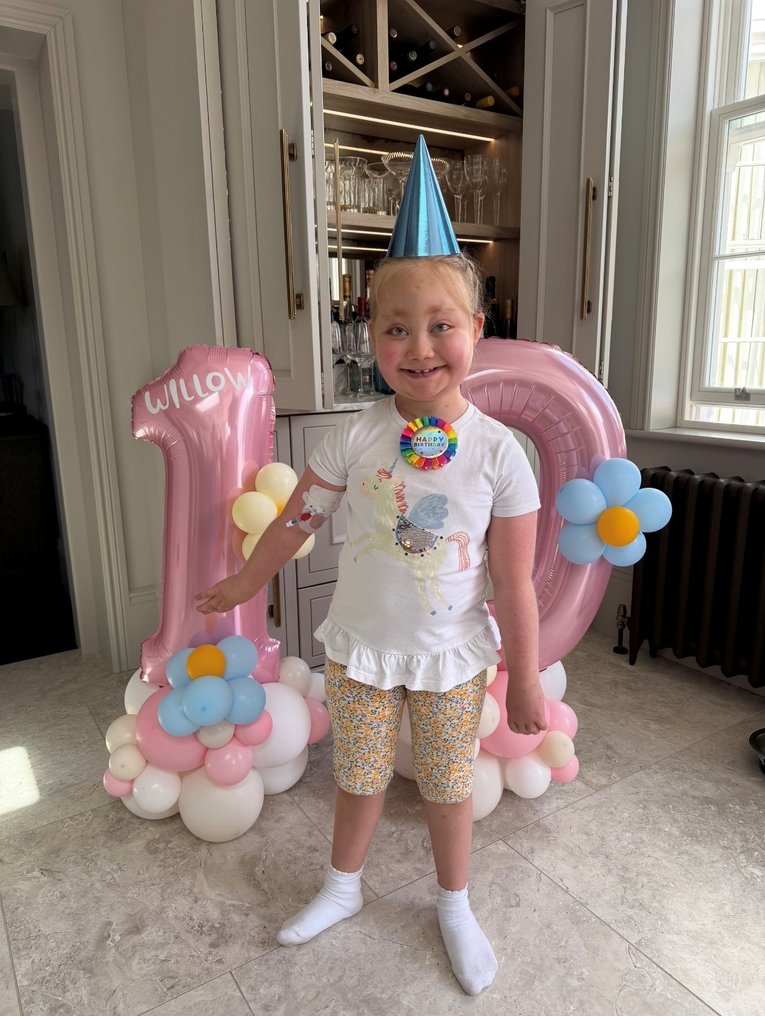
World-first same-day metagenomics for children can detect hidden infections in intensive care
GOSH has successfully implemented a pioneering same-day respiratory metagenomics testing service for children in intensive care, helping clinicians identify infections more quickly and make better-informed treatment decision
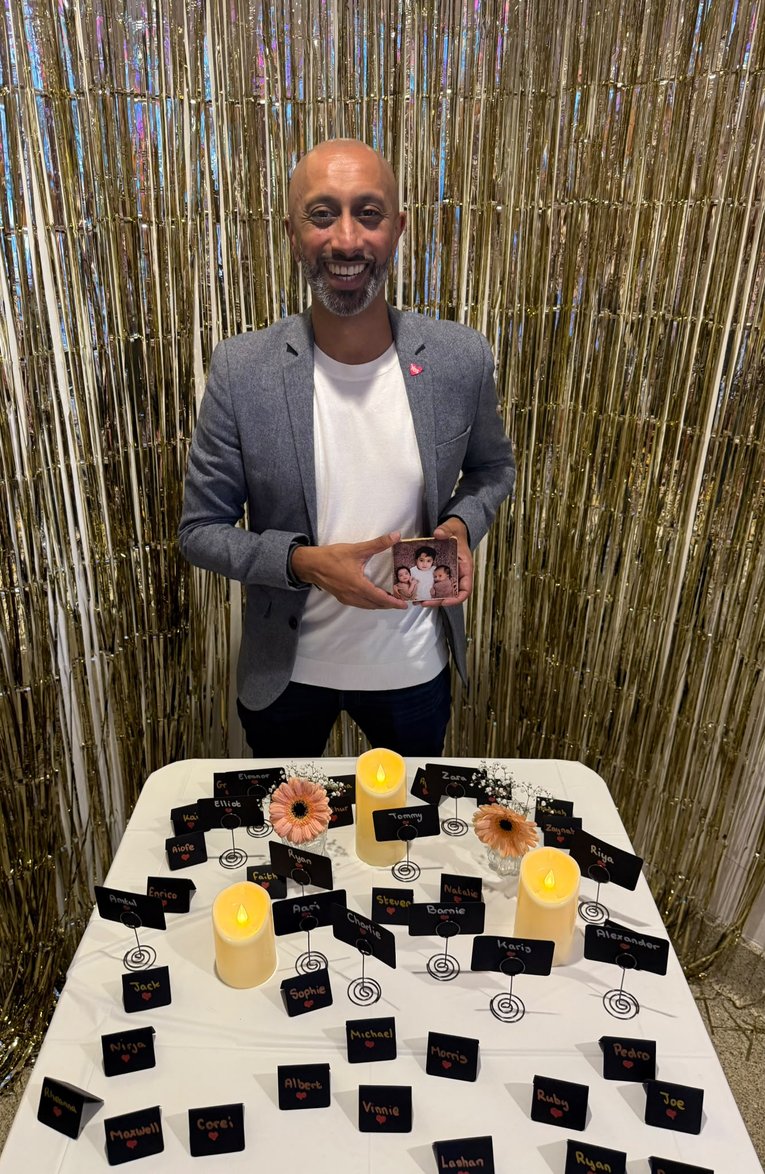
Celebrating the gift of organ donation
During Organ Donation Week 2026, GOSH hosted its first Donor Family Tea Party, bringing together families whose children gave the extraordinary gift of life through organ donation.

Road closure: Great Ormond Street
There will be a partial closure of Great Ormond Street between 4am on Wednesday 21 and 10pm on Thursday 22 October.
GOSH families at the heart of major £6m project to improve support for children with complex needs
Children, young people and families from GOSH will help shape a major new research programme