https://www.gosh.nhs.uk/our-research/recent-impact-of-research-and-innovation/new-funding-support-pioneering-thymus-transplant-research-gosh/
New funding to support pioneering thymus transplant research at GOSH
11 Jul 2018, 2:19 p.m.

Professors Graham Davies and Adrian Thrasher have been awarded funding from Great Ormond Street Hospital (GOSH) Charity to further develop a cutting-edge new treatment for children with the rare immunodeficiency condition complete DiGeorge syndrome (cDGS).The condition results from an absence of the thymus - a gland responsible for producing the T-cells that help fight infections. Without treatment children with cDGS are likely to die before the age of 2.
The new research project will build on a previous trial led by Professor Davies which showed that transplant of donor thymus tissue restored T-cell numbers in 75 percent of patients with cDGS. Patients developed the ability to fight common infections and should have a much longer life expectancy.
The funding will support the LetterOne GOSH Charity Research Group in Thymus Transplantation and will enable researchers to look at how to maximise the number of T-cells produced after thymus tissue is transplanted into children with cDGS.
In the previous study, thymus tissue for transplant was obtained from children undergoing surgery for inherited heart defects as the thymus is normally removed and discarded to allow access to the heart. This does not affect the donor as their immune system has already developed by the time the thymus is removed.
Led by Professor Graham Davies, GOSH Consultant Paediatric Immunologist and Honorary Clinical Professor of Paediatric Immunology at UCL Great Ormond Street Institute of Child Health (ICH), the new research will investigate how the technique can be enhanced to reduce the autoimmune complications that can occur in some patients.
GOSH is one of only two centres across the world offering thymus transplant for cDGS. A longer term aim is to refine this treatment further so it might eventually be used to treat children with other immune system disorders.
This new award builds on earlier work supported by the National Institute for Health Research (NIHR) GOSH Biomedical Research Centre (BRC), EU FP7, GOSH Charity, Mason Medical Research and the Wellcome Trust.
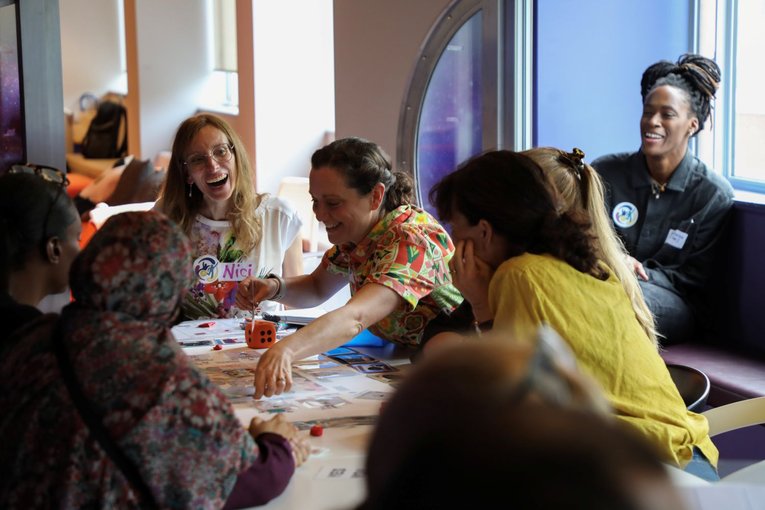
GOSH families at the heart of major £6m project to improve support for children with complex needs
Children, young people and families from GOSH will help shape a major new research programme
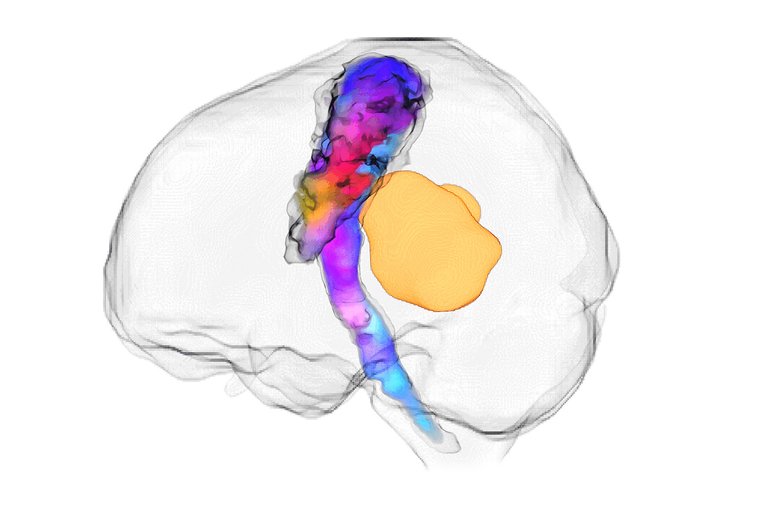
New Fellowship to develop the next generation of paediatric neuro-oncology specialists
The Tessa Jowell Brain Cancer Mission has launched it's first Paediatric Neuro-Oncology Fellowship, to support the development of specialists caring for children with brain cancers
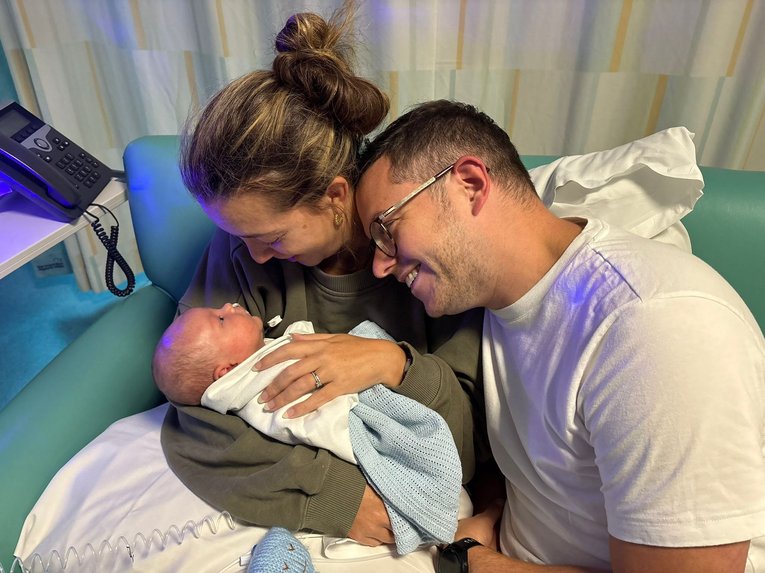
Thousands join world-first trial to save lives of critically ill children
Some of the sickest children in the UK have started to join an innovative clinical trial designed to improve the survival and recovery of children requiring intensive care treatment, led by GOSH.

GOSH surgeon receives prestigious international award
Professor Paolo De Coppi, Consultant Paediatric Surgeon at Great Ormond Street Hospital (GOSH), has been recognised as an Honorary Fellow of the American College of Surgeons (ACS), one of the most prestigious honours in global surgery.