
https://www.gosh.nhs.uk/news/from-research-nurse-to-data-scientist-the-unique-contribution-nurses-can-bring-to-data-science-and-ai/
From research nurse to data scientist: The unique contribution nurses can bring to data science and AI
19 Nov 2026, 12:27 p.m.
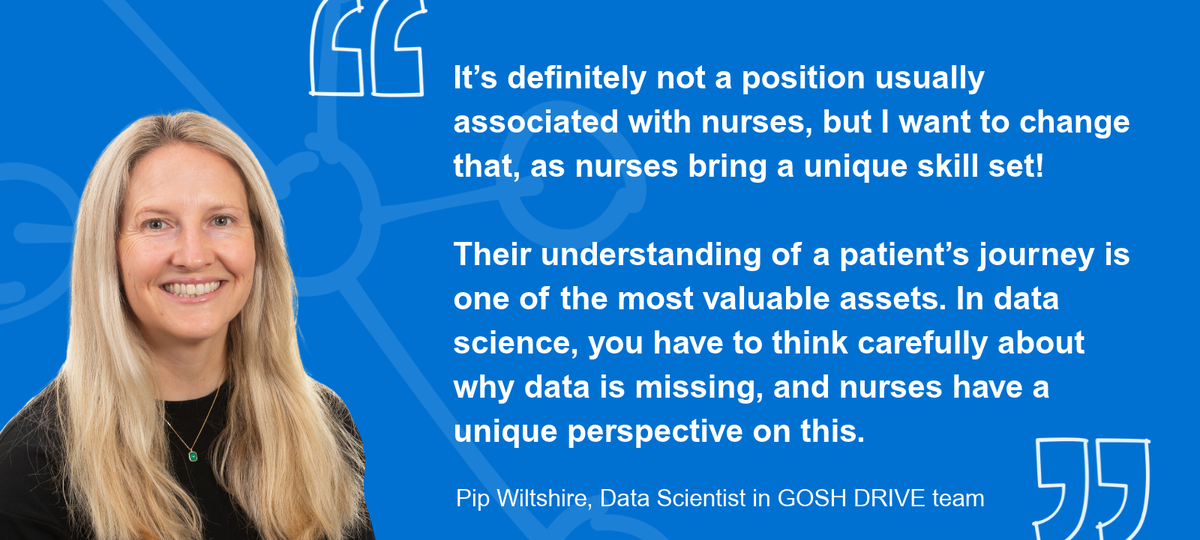
This Q&A with research nurse, turned data scientist Pip highlights why nurses have a unique contribution to make in data science, bringing clinical judgement, an understanding of patient journeys, and the ability to interpret the context behind healthcare data.
Some of the most important advances in health AI need more than technical expertise. They need people who understand patients, care pathways and the realities of clinical decision-making.
In this Q&A, research nurse turned data scientist, Pip, makes a compelling case for why nurses have a unique contribution to make in data science, bringing clinical judgement, an understanding of patient journeys, and the ability to interpret the context behind healthcare data.
Pip currently works as a data scientist in our GOSH DRIVE innovation team.
Could you give an overview of your nursing journey?
I joined GOSH in 2015 as a clinical research nurse, working on a small portfolio of clinical trials. I progressed into a senior position in early phase clinical trials, setting up studies for patients with rare diseases and high unmet needs.
It takes a huge amount of meticulous planning to set up a phase II gene therapy study, but it was also very rewarding to be part of a team administering a first-in-human treatment. Supporting families in those moments was really quite special.
My last role was as Matron, a position I really enjoyed in a team I’d worked in for several years. I supported the team across an expanded portfolio of studies and helped families to get access to new treatments. Being involved in some of the more complex ethical components of clinical research involving children was a hugely valuable experience. I also spent a year working in PICU during the pandemic!
What made you start thinking about starting a data science masters and how did you decide to take the plunge?
I’ve always been a slight geek, and while working in research I became intrigued by the use of ‘synthetic data’ - data which is artificially created to mimic real data but doesn’t contain information about real patients. When clinical trials reach phase III, you need to increase your sample size, but this isn’t always easy for rare disease groups because there aren’t enough patients.
That’s where synthetic data is useful, as we can generate data based on the natural history and disease progression of a particular patient group. Essentially, you take the natural history data and use machine learning techniques to estimate how a patient’s disease may progress over time. You can then use these data to generate thousands of ‘synthetic patients’, which act as your control arm.
I became really fascinated by data science and how it’s applied in healthcare to map disease trajectories, understand how patients 'behave' and what we can learn from this. I spoke to a few people and knew I’d need to pursue an academic route. I think my background in clinical research has really helped while studying.
For my MSc dissertation, I built machine learning models to predict length of stay in PICU using real-world data and synthetic data. I wanted to see how useful synthetic data was in solving this type of question.
What skills, experience, insight do you think nurses can bring to health data science roles?
It’s definitely not a position usually associated with nurses, but I want to change that, as nurses bring a unique skill set! Their understanding of a patient’s journey is one of the most valuable assets, such as intuitively understanding why vital signs may be outside their usual parameters or why they may have elevated biomarkers.
In data science, you have to think carefully about why data is missing, and nurses have a unique perspective on this.
They can build a picture of a patient from their EHR data and understand why clinical teams made decisions to order a particular test, or not. It’s those nursing skills and clinical logic that help me make sense of the data. Nursing is an incredibly dynamic career path, and while an academic route is required in data science, I think nurses have a lot to bring to the field.
I was at the Royal College of Nursing HQ recently, and there is a poster of Florence Nightingale highlighting her work in statistics and use of data. While data science may feel outside of the usual nursing remit, it reminded me that nursing and data science share roots.
What are you most looking forward to in this role?
Working on real-world projects, in a real data science team! I'm working with oncology data, which complements my current CNS role in genomics in teen and young adult cancer care at UCLH. Being able to work with this type of data and patient cohort in parallel is a huge privilege.
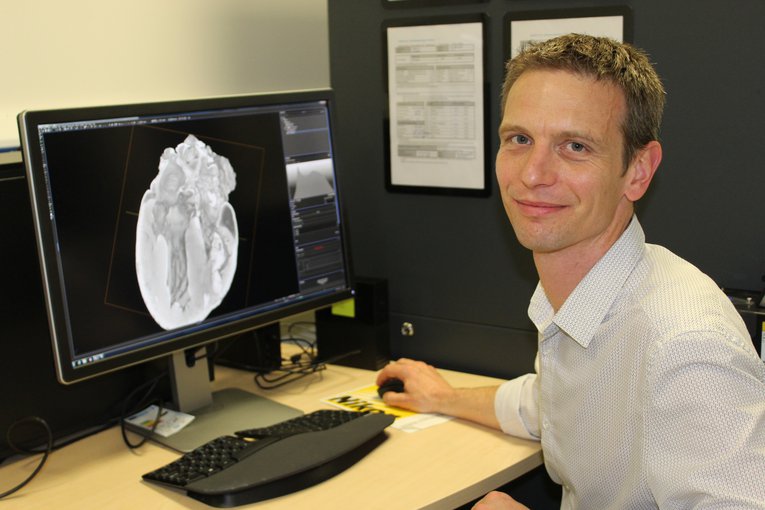
Dr Ian Simcock becomes GOSH’s first Allied Health Professional to receive NIHR postdoctoral fellowship
The five-year fellowship will focus on improving parental choice after pregnancy loss through the development of less-invasive post-mortem investigations.
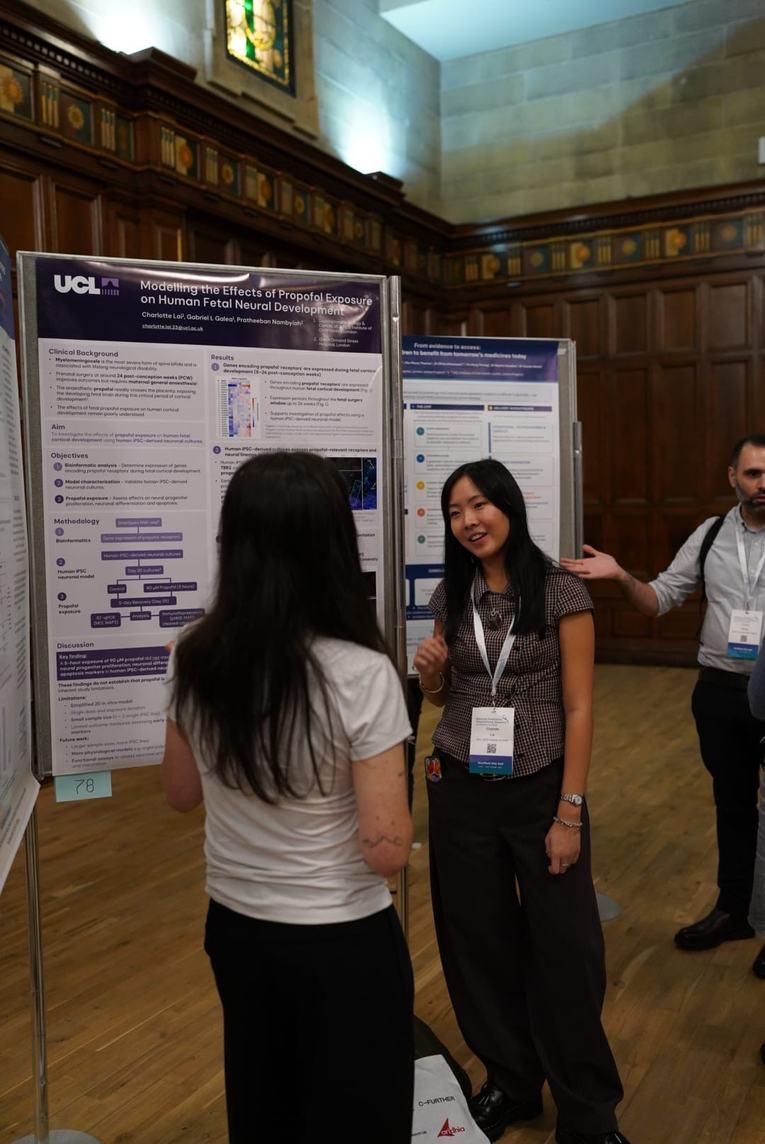
National conference brings child health research community together
Researchers and clinicians from across the UK gathered at Sheffield City Hall for the inaugural National Paediatric Translational Research Conference
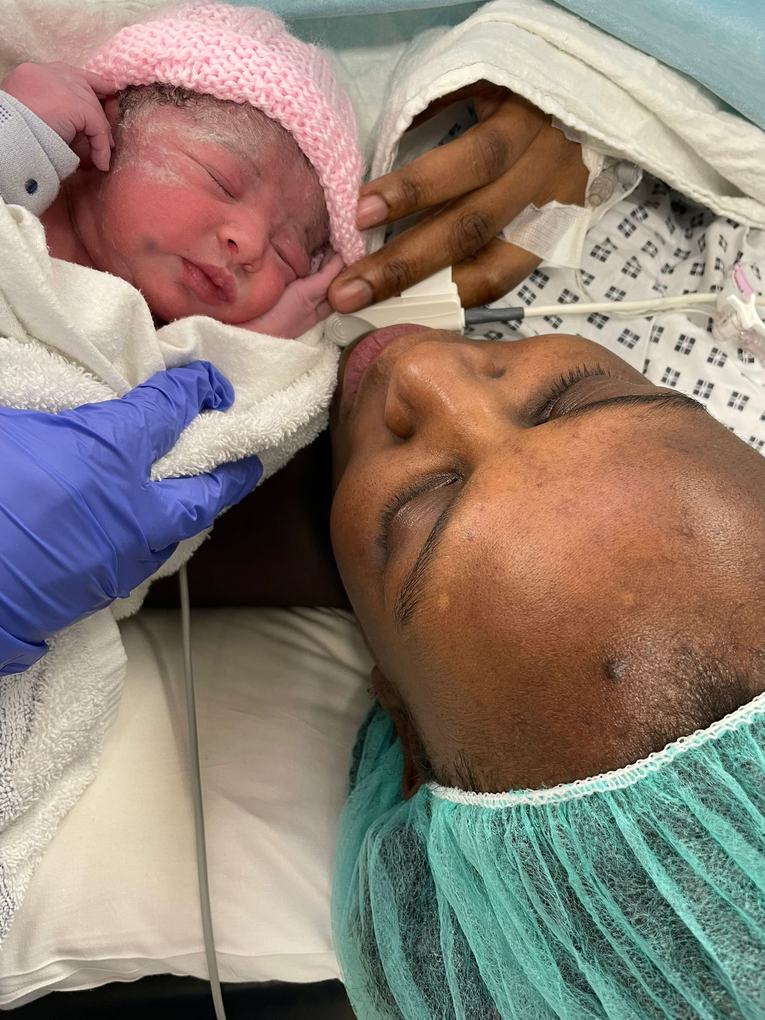
Mum chooses to support research as a legacy for her twins
Understanding how a singular cancer spread between two twins in the womb using genomics - Research from GOSH and the Sanger Institute
