
https://www.gosh.nhs.uk/our-research/our-research-infrastructure/nihr-great-ormond-street-hospital-brc/brc-news/marking-rare-disease-day-gosh-dna-keyrings-and-family-trees/
Marking Rare Disease Day at GOSH: DNA keyrings and family trees
4 Mar 2020, 1:28 p.m.

For this year's Rare Disease Day on 29th February, we invited children and young people at GOSH to make their own DNA keyring, map out their family tree, learn more about the genetics of rare diseases and even get a 'rare' new look.The day is an important annual reminder to raise awareness of rare diseases, which affect one in 17 of us during our lifetime. While each rare disease affects less than one in 2,000 people, collectively they have a huge impact. Taken together, the number of people directly affected by rare diseases is equivalent to the population of the world’s third largest country.
Patients and families passing through the hospital's Lagoon cafe stopped by to take part in fun activities. We even had some repeat visitors!

We were delighted to see GOSH patient Graycie and her family for the second year in a row
More than 70% of rare diseases are genetic, and most start in childhood. One of our popular activities this year was creating a personalised keyring, with each bead representing a characteristic linked to a particular gene, such as eye colour. We also mapped out family trees, thinking about how characteristics are passed down between generations.

We talked to visitors about the GOSH Sample Bank, an initiative to use leftover patient samples for child health research, instead of throwing them away. We won’t be asking patients to donate anything extra or do any extra tests, and the samples will allow us to carry out even more cutting-edge research, helping us better understand rare conditions and develop the treatments of the future.
Understanding how rare diseases affect families is vital to inform child health research at GOSH and around the world. We can only be sure we're tackling the most important issues by speaking to families who know how these conditions affect their daily lives. Some of our young patients shared their thoughts on Rare Disease Day:
- “It’s hard having JDM (juvenile dermatomyositis), but at least I get to miss school!” Graycie, age 7
- "When I come here I am brave and strong.” Paige, age 6, who along with her twin sister is fundraising for GOSH Charity.
- “I hope that in the future there are more treatments for more conditions." Emma, age 13.

Thanks to everyone who visited us and took part in Rare Disease Day 2020! Why not read Stanley's story or find out more about genetics and rare diseases.
Rare disease research at GOSH is underpinned by the NIHR Great Ormond Street Hospital (GOSH) Biomedical Research Centre.
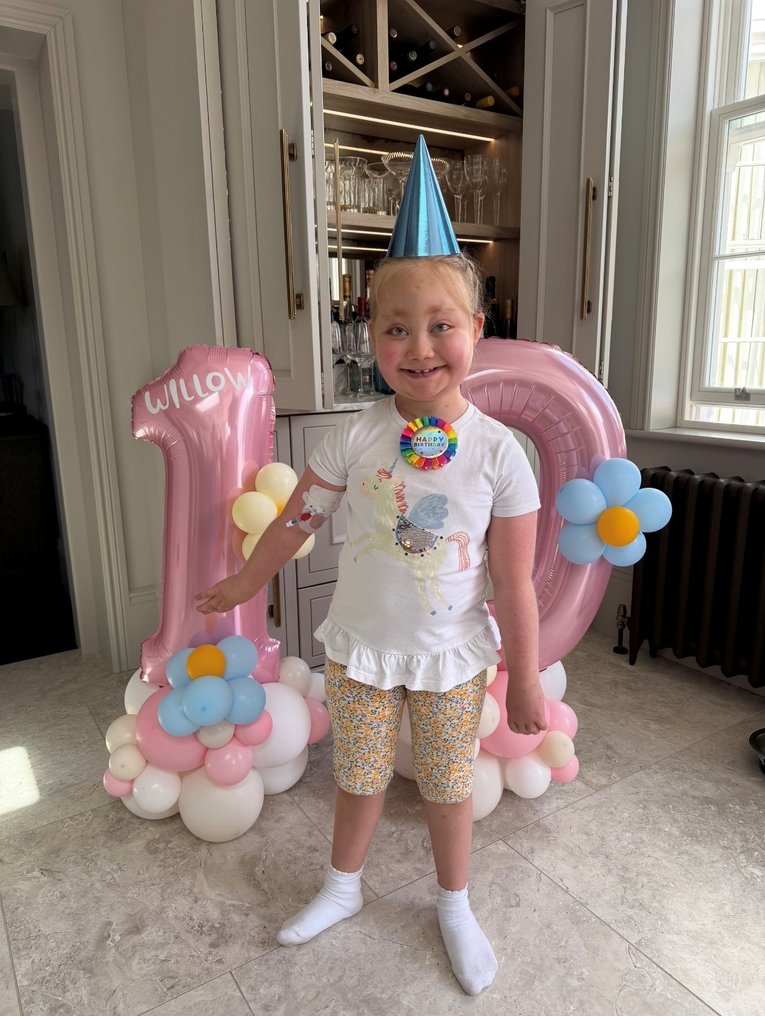
World-first same-day metagenomics for children can detect hidden infections in intensive care
GOSH has successfully implemented a pioneering same-day respiratory metagenomics testing service for children in intensive care, helping clinicians identify infections more quickly and make better-informed treatment decision
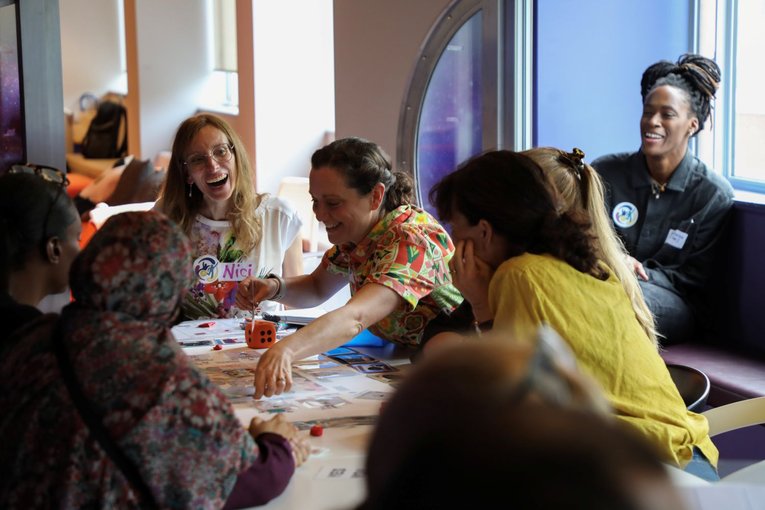
GOSH families at the heart of major £6m project to improve support for children with complex needs
Children, young people and families from GOSH will help shape a major new research programme
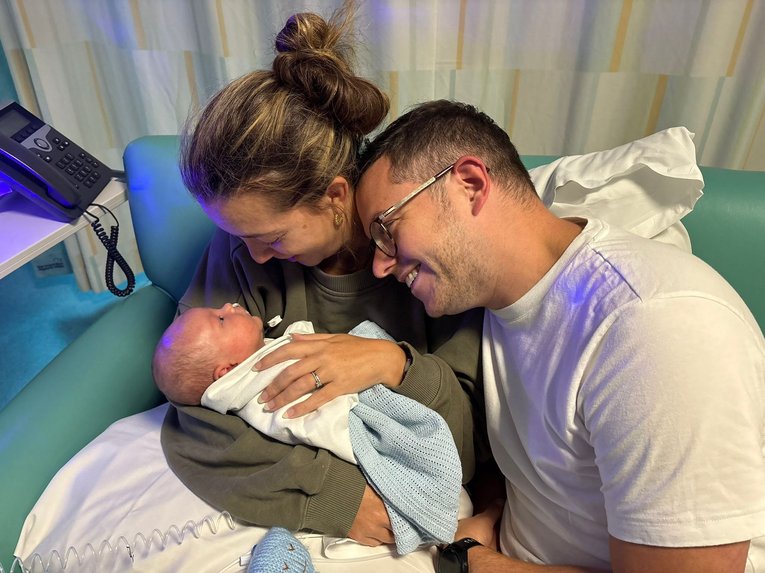
Thousands join world-first trial to save lives of critically ill children
Some of the sickest children in the UK have started to join an innovative clinical trial designed to improve the survival and recovery of children requiring intensive care treatment, led by GOSH.

GOSH surgeon receives prestigious international award
Professor Paolo De Coppi, Consultant Paediatric Surgeon at Great Ormond Street Hospital (GOSH), has been recognised as an Honorary Fellow of the American College of Surgeons (ACS), one of the most prestigious honours in global surgery.