https://www.gosh.nhs.uk/news/innovative-imaging-project-aims-to-save-childrens-sight/
Innovative imaging project aims to save children’s sight
21 Sep 2026, 11:32 a.m.
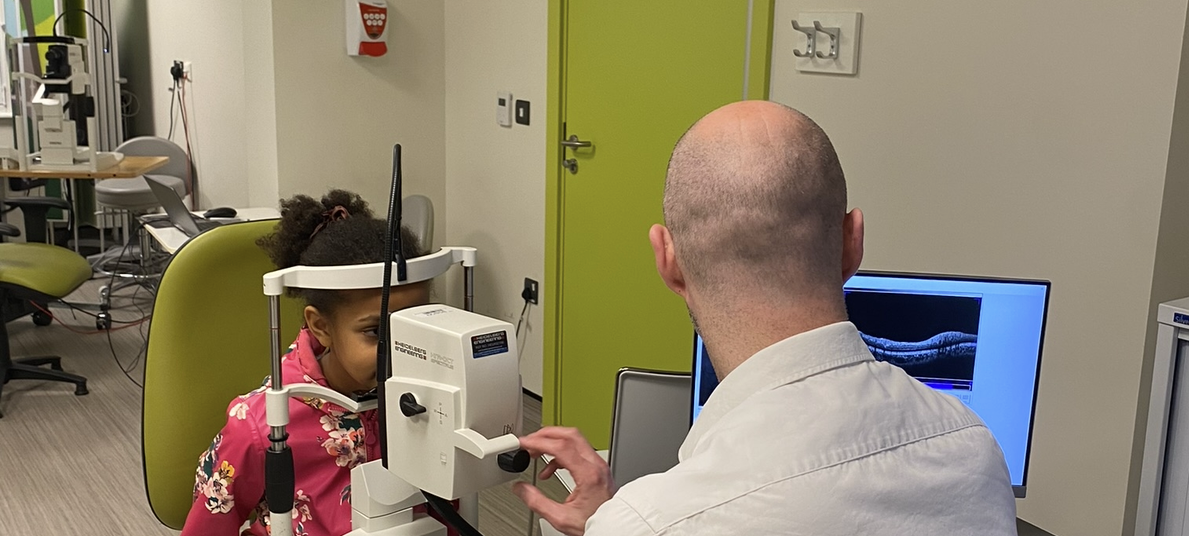
Researchers from Great Ormond Street Hospital and UCL Great Ormond Street Institute of Child Health are leading a project that could transform how children at risk of sight loss are monitored, by adapting advanced eye imaging technology for use in community settings and eventually at home.
Supported by funding from the National Institute for Health and Care Research (NIHR), the project will explore how a new generation of optical coherence tomography (OCT) technology can be redesigned to meet the needs of children with eye conditions, working in collaboration with Bristol-based medtech company Siloton.
OCT is a safe, non-invasive imaging technique that uses light to create highly detailed images of the structures within the eye. It plays a vital role in diagnosing and monitoring a wide range of conditions, but access remains limited because conventional systems are large and typically confined to use in hospitals.
Led by Professor Ameenat Lola Solebo and Professor Marinko Sarunic at UCL and GOSH, the project will adapt a compact OCT platform for use with children and young people. Their goal is to enable children with serious eye conditions to receive high-quality monitoring closer to home, reducing the need for frequent hospital visits and supporting earlier detection of changes in disease progression.
Professor Ameenat Lola Solebo, Professor at UCL and Consultant Ophthalmologist at GOSH, said:
"Our work has demonstrated the transformative impact that advanced imaging can have on patient outcomes and on the experience of children and their families. This project is an important step towards making that technology more accessible and ultimately bringing it into children's homes."
Adapting current technology
The technology being adapted for the project is based on a highly compact form of OCT that condenses complex imaging components onto a single chip. Its small size and portability create opportunities to move eye imaging beyond specialist hospitals, making monitoring more accessible and convenient for patients and families.
A key focus of the research will be tailoring the system specifically for children. This includes optimising the optics for smaller eyes and redesigning the device to provide a more comfortable fit, helping to improve image quality and make examinations easier for younger patients.
Imaging children presents unique challenges, particularly when scans need to be captured quickly and comfortably. The team will investigate how the technology can support monitoring across a range of conditions, with a focus on a complex inflammatory eye condition, uveitis, that can affect children who are already managing with challenging conditions such as arthritis and inflammatory bowel disease.
By enabling high-quality imaging outside traditional hospital environments, the project has the potential to bring care closer to home, minimise time spent travelling to appointments and disruption to family life. The researchers hope the work will help lay the foundations for a future in which children can benefit from faster diagnosis, more regular monitoring and remote assessment, improving outcomes while making care more accessible for families.
Patient experts as partners
This project was developed in response to families’ strong desire for high-quality monitoring delivered close to home to avoid frequent travel to, often distant, specialist centres, and concerns about access to the small number of specialist centres able to deliver care. The development of this project has also been and will be supported by the Childhood Uveitis Studies steering group. Formed in 2018 as a team of seven patient representatives including previous and current GOSH patients, the secured funding will ensure that the patient experts can visit the lab to input on development. These patient experts will be partners in the project, to ensure that we keep children central in our work.
Professor Mike Lewis, NIHR Scientific Director for Innovation, said:
“NIHR funding is helping researchers and industry partners work together to develop innovative technologies like this. If we can bring this kind of advanced eye imaging into community and home settings, we could make a real difference to children and their families, reducing the need for hospital visits while enabling clinicians to monitor patients more closely. We are continuing to support Siloton as it develops this technology, building on our investment in the quantum research ecosystem.”
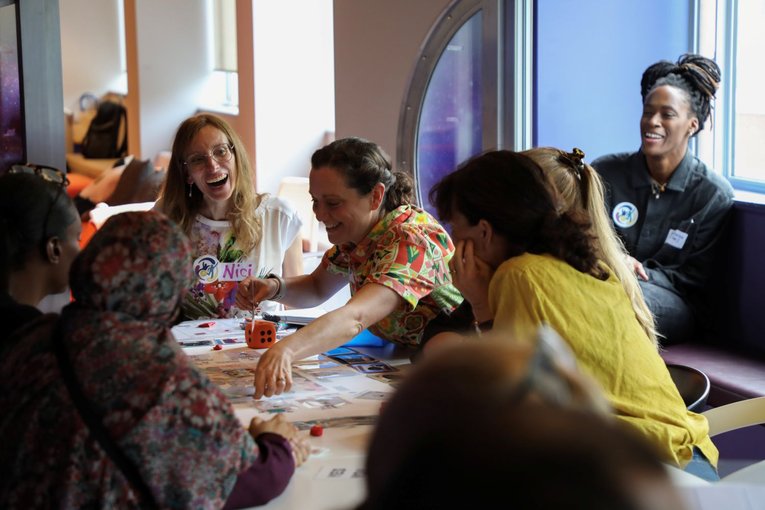
GOSH families at the heart of major £6m project to improve support for children with complex needs
Children, young people and families from GOSH will help shape a major new research programme
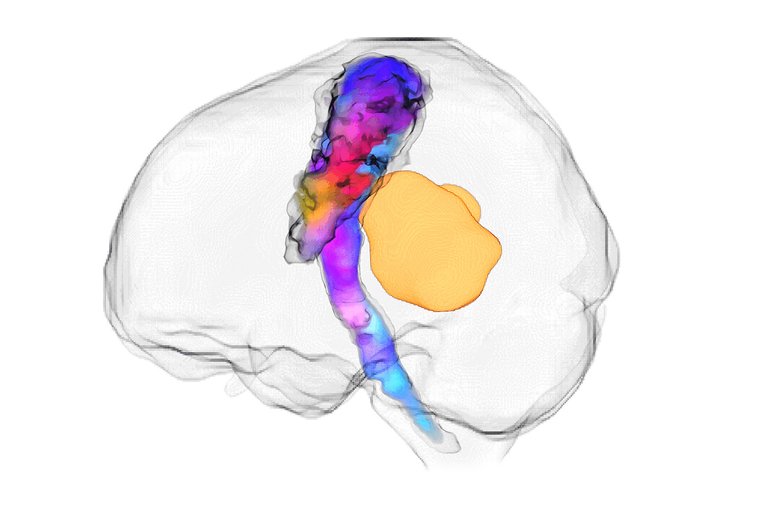
New Fellowship to develop the next generation of paediatric neuro-oncology specialists
The Tessa Jowell Brain Cancer Mission has launched it's first Paediatric Neuro-Oncology Fellowship, to support the development of specialists caring for children with brain cancers
Thousands join world-first trial to save lives of critically ill children
Some of the sickest children in the UK have started to join an innovative clinical trial designed to improve the survival and recovery of children requiring intensive care treatment, led by GOSH.

Message to our patients and patient families following London-wide power outage
Following a London-wide power outage today, we experienced some local issues at GOSH.