
https://www.gosh.nhs.uk/our-research/our-research-infrastructure/nihr-great-ormond-street-hospital-brc/brc-news/leukaemia-trial-shows-promise-and-complexity-genome-edited-cell-therapies/
Leukaemia trial shows promise and complexity of genome-edited cell therapies
12 Dec 2020, 5:16 p.m.

A ‘one size fits all’ immune therapy developed at the UCL Great Ormond Street Institute of Child Health (ICH) could help to clear cancerous cells in children and adults who have exhausted all other treatment options for B-cell acute lymphoblastic leukaemia (B-ALL), while side effects remain a continuing challenge, according to the results of an early-stage clinical trial.The trial comes after, in 2015, a one-year-old patient at Great Ormond Street Hospital (GOSH) became the first infant in the world to be treated with this new type of CAR T cell therapy to clear her body of leukaemia.
Those cells had been made at GOSH using white blood cells collected from a healthy donor and engineered in a special laboratory using ‘molecular scissors’, to make the cells suitable for transplant into any patient and capable of hunting down and clearing leukaemia across the body. After this successful treatment, trials were launched of the ‘universal’ CAR T cell therapy (UCART19) at GOSH and Kings College Hospital in London, as well as internationally.
By using healthy donor cells rather than a patient’s own cells, UCART19 brings the potential lifesaving benefits of this therapy to patients who were previously ineligible due to their own low immune cell counts.
Published in The Lancet, the study marks the world’s first published findings of a clinical trial for ‘off-the-shelf’ CAR T-cells in children and adults. It has shown that UCART19 cells can achieve clearance of leukaemia, although significant challenges remain.
The hardest to treat cancers
Seven children and 14 adults were treated as part of two separate clinical trials, sponsored by Servier and involving centres in the UK, France and the USA. The paediatric clinical trial involved patients aged 6 months to 18 years, five of whom were patients at GOSH.
All had exhausted other treatment options, after their cancer returned or became resistant to treatment.
‘These are children and adults facing the worst possible prognosis,’ says Professor Paul Veys, Director of the GOSH Bone Marrow Transplant Unit. ‘It’s vital we find alternative effective approaches for them and this early-stage trial has been very promising.’
Professor Waseem Qasim, GOSH Consultant Immunologist and gene therapy researcher added: ‘Most patients on the trial successfully achieved remission within four weeks. The trial has shown the huge potential in using genome editing technology to achieve long term clearance of B-ALL. However, there were some anticipated side effects such as overreactions of the body’s immune system, and in a number of patients the leukaemia did eventually come back. There are other remaining challenges, such as safely depleting immune cell populations in patients to prepare them for the treatment, and how to make sure these donor cells stick around in the body long enough to effectively clear cancer cells.’
‘We have gained valuable information and are hopeful that we can address some of the outstanding issues. That includes our ‘next-generation’ universal CAR T cell approach, using a cutting-edge CRISPR/Cas9 system to engineer the T cells.’
CRISPR/Cas9 provides a newer form of ‘molecular scissors’, offering a simple, efficient tool for DNA modification. A new trial has recently launched at GOSH and will be the UK’s first to involve CRISPR-Cas9 editing of human cells against leukaemia. The next-generation treatment is now available to children with B- cell acute lymphoblastic leukaemia from across the UK, who would otherwise be unsuitable for CAR T cells engineered from their own blood cells.
One size fits all
For ‘universal’ CAR T-therapies, researchers use ‘molecular scissors’ to physically change the genetic instructions inside T cells, vital immune cells that help us fight off infections. This extends the effects of adding special receptors (known as a chimeric antigen receptors – CAR) on the surface of the cells, which arm T cells to recognise and hunt down cancer cells.
Usually these superpowered cells are created using a patient’s own immune cells and this has advantages as there is no risk of rejection. But this costly procedure is complex, takes time and requires the patient to have a healthy population of immune cells.
Professor Qasim’s team are adding genome editing steps to allow donor cells to be used without matching and this means they can be manufactured and stored frozen, ready-to-use. These steps make the therapy suitable for more patients, broadening access to the benefits of a promising therapy. Plans for targeting other types of leukaemia are in progress, and the application of genome editing to treat other childhood diseases of the blood and immune system is in development.
The work follows the success of the gene and cell therapy research programme at GOSH and our partner the UCL Great Ormond Street Institute of Child Health (ICH), which is supported by the National Institute for Health Research (NIHR) GOSH Biomedical Research Centre, GOSH Children’s Charity and many other funders. Donor cells are collected from volunteers by the Nolan bone marrow donor registry.
World-first same-day metagenomics for children can detect hidden infections in intensive care
GOSH has successfully implemented a pioneering same-day respiratory metagenomics testing service for children in intensive care, helping clinicians identify infections more quickly and make better-informed treatment decision
GOSH families at the heart of major £6m project to improve support for children with complex needs
Children, young people and families from GOSH will help shape a major new research programme
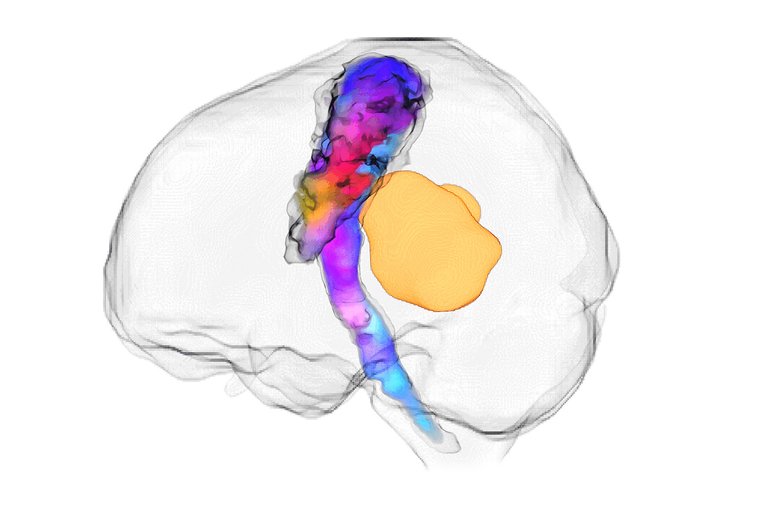
New Fellowship to develop the next generation of paediatric neuro-oncology specialists
The Tessa Jowell Brain Cancer Mission has launched it's first Paediatric Neuro-Oncology Fellowship, to support the development of specialists caring for children with brain cancers
Thousands join world-first trial to save lives of critically ill children
Some of the sickest children in the UK have started to join an innovative clinical trial designed to improve the survival and recovery of children requiring intensive care treatment, led by GOSH.