https://www.gosh.nhs.uk/news/what-do-young-people-want-from-artificial-intelligence-in-healthcare/
What do young people want from Artificial Intelligence in healthcare?
18 May 2022, 4 p.m.

Our Young Persons Advisory Group (YPAG) for research members recently discussed their thoughts and feelings about artificial intelligence (AI) in healthcare, with governance, human connections and trust emerging as key topics.
Twenty-one members of our hospital's YPAG, aged 10-21, were presented with a range of scenarios for how AI could be used in healthcare, from AI that can power cleaning robots to support for doctors that are planning surgeries.
Before the discussion, GOSH YPAG received information about what innovation means at GOSH from Professor Neil Sebire, Managing Director of the Data Research, Innovation and Virtual Environments unit (GOSH DRIVE) that aims to transform care through use of data and technologies.
What did the young people think about AI at GOSH?
Three main themes emerged from children and young people in the workshop:
Governance
The group raised questions about the safety and benefit of the technology in various scenarios particularly for children and young people with rare diseases.
Human connections
The group discussed that human connectedness is important in healthcare and that in using AI, empathy, agency, and power dynamics are really crucial. Replacing humans was commonly associated with the impact on jobs and the group suggested AI should be supportive of staff rather than replace them.
Trust
The group discussed the influence of popular culture like movies and science fiction on people’s thoughts and feelings about AI. They agreed that trust may need to be built for the technology if it’s used in healthcare. They thought that educational workshops and transparency about its use, with clear explanations and examples could help, showing the positives but addressing common concerns.
The most accepted uses of AI amongst the group were sensor technology to reduce overcrowding, cleaning robots, virtual reality visits and 3D printed organs, whilst AI-powered nurses was the least.
What should happen next?
This workshop demonstrates that children and young people have lots of view on AI in healthcare and that by involving them we can optimise innovation to enhance future experiences of care. Now, we need to understand how to create opportunities and environments that will enable continuous involvement of young people and their families in the development of new technologies.
Oceiah Annesley, GOSH YPAG member and co-author of the article said, "YPAG are essential to keeping both ideas and concerns up-to-date as AI develops. Overall, it is critical to keep children and young people involved with AI, as they have been brought up with technology. Children and young people have lived and breathed technology and are the key to co-creation and AI’s future success in healthcare."
If a rare disease occurs, how will the robot know what to do as there is no specific treatment?
What will stop people abusing the system?
What happens if the robot makes a mistake?

The young people were asked to rate how comfortable they were with the future use of each type of AI technology.
World-first same-day metagenomics for children can detect hidden infections in intensive care
GOSH has successfully implemented a pioneering same-day respiratory metagenomics testing service for children in intensive care, helping clinicians identify infections more quickly and make better-informed treatment decision
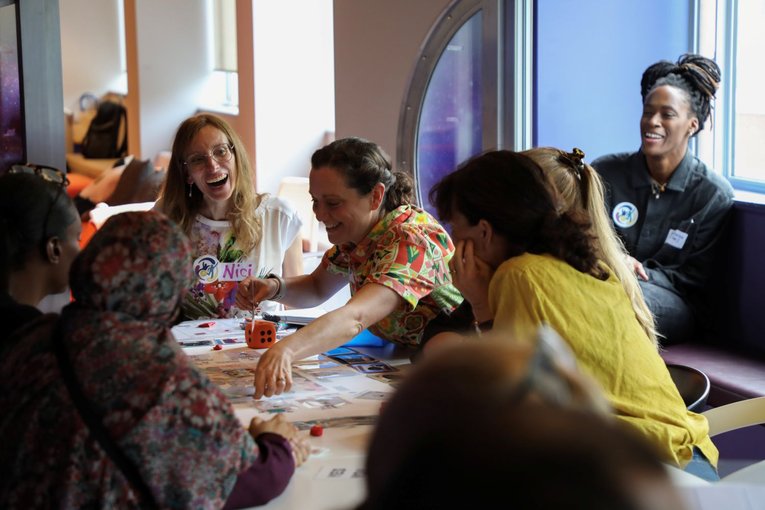
GOSH families at the heart of major £6m project to improve support for children with complex needs
Children, young people and families from GOSH will help shape a major new research programme
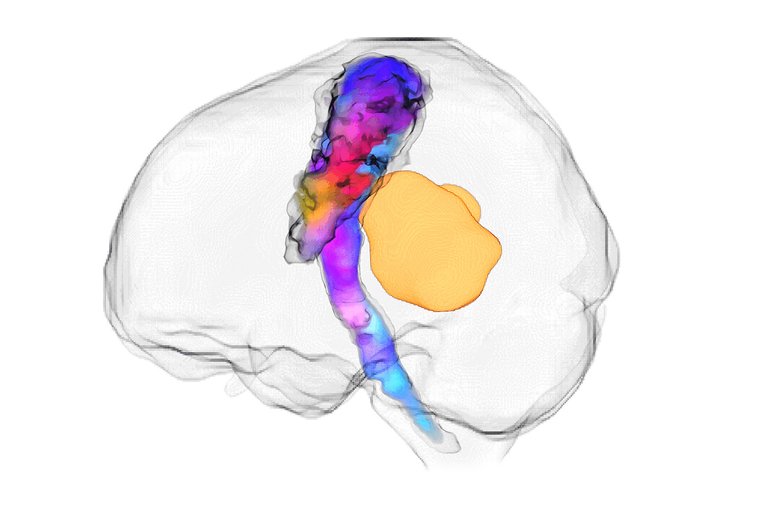
New Fellowship to develop the next generation of paediatric neuro-oncology specialists
The Tessa Jowell Brain Cancer Mission has launched it's first Paediatric Neuro-Oncology Fellowship, to support the development of specialists caring for children with brain cancers
Thousands join world-first trial to save lives of critically ill children
Some of the sickest children in the UK have started to join an innovative clinical trial designed to improve the survival and recovery of children requiring intensive care treatment, led by GOSH.