https://www.gosh.nhs.uk/news/use-cannabidiols-treat-epilepsy/
The use of cannabidiols to treat epilepsy
19 Jun 2018, 5:54 p.m.

Statement from Professor Helen Cross, a consultant in paediatric neurology and the Prince of Wales’ Chair of Childhood Epilepsy:At Great Ormond Street Hospital, we have led and participated in two international clinical trials looking at the use of cannabidiol, a drug derived from cannabis for children living with two specific forms of epilepsy, Dravet Syndrome and Lennox Gastaut Syndrome.
The results have been extremely positive. The derivative, which has the psycho-active elements removed, reduced seizures by nearly 40 per cent in children with Dravet syndrome when compared with a dummy drug. Lennox Gastaut syndrome is characterised by particularly disabling seizures ‘drop attacks’ that impact quality of life; these seizures were significantly reduced by the drug.
The trials took place under strictly controlled circumstances, using the specific formulation pharmaceutically prepared Epidiolex (GW Pharma). Currently the trial results have been submitted for assessment by the regulatory bodies, the FDA (USA) and EMA (Europe), to consider whether a licence should be issued. We welcome this process which could pave the way for patient prescription.
Cannabis/hemp oils are available for purchase. While they often state that they contain acceptable and very low doses of the psycho-active element (Tetrahydrocannabinol or THC), they are not produced to a pharmaceutical standard and it has been demonstrated even different batches of the same product have variable content. As there is no evidence relating to dose, safety or interaction with other products, doctors cannot within their code of practice prescribe such products. Products with higher content of THC are not currently legal in the UK.
We would ask any patients or their families wishing to explore using these products to talk to their GP, hospital or contact the national charity Young Epilepsy.
To read more about the research carried out at GOSH please explore the following pages
World-first same-day metagenomics for children can detect hidden infections in intensive care
GOSH has successfully implemented a pioneering same-day respiratory metagenomics testing service for children in intensive care, helping clinicians identify infections more quickly and make better-informed treatment decision

Celebrating the gift of organ donation
During Organ Donation Week 2026, GOSH hosted its first Donor Family Tea Party, bringing together families whose children gave the extraordinary gift of life through organ donation.
Road closure: Great Ormond Street
There will be a partial closure of Great Ormond Street between 4am on Wednesday 21 and 10pm on Thursday 22 October.
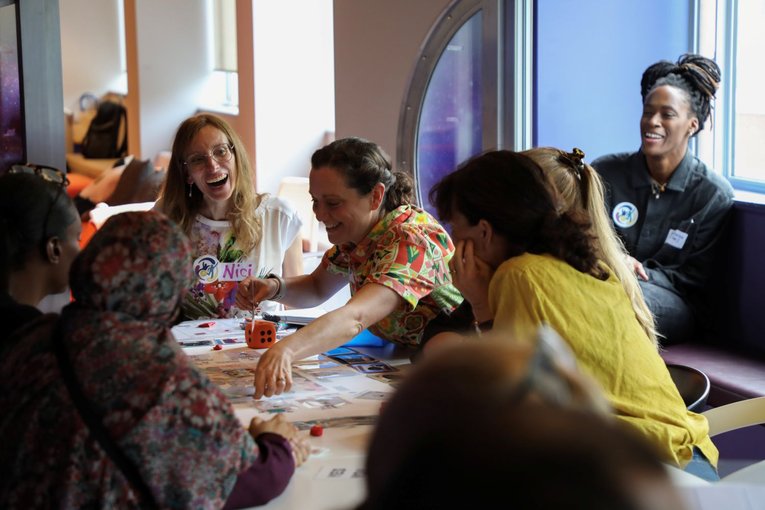
GOSH families at the heart of major £6m project to improve support for children with complex needs
Children, young people and families from GOSH will help shape a major new research programme