
https://www.gosh.nhs.uk/our-research/recent-impact-of-research-and-innovation/cannabidiol-reduces-seizures-children-complex-epilepsies/
Cannabidiol reduces seizures for children with complex epilepsies
14 Jun 2018, 8:49 p.m.

Cannabidiol, a drug derived from cannabis but with the psychoactive ingredients removed, has been shown to reduce seizures by around 40 % in children with a rare form of drug resistant epilepsy known as Lennox-Gastaut syndrome (LGS).In a clinical trial led at Great Ormond Street Hopsital (GOSH) by Professor Helen Cross, cannabidiol cut the number of drop attacks – a type of epileptic seizure causing children to drop suddenly to the floor. LGS typically occurs between ages 3 to 5 years and can be caused by head injuries, nervous system infections and genetic conditions. Children who live with LGS experience debilitating seizures, particularly drop attacks, which can lead to serious injuries, so this drug could make a significant difference to their quality of life.
The study, which was recently published in the New England Journal of Medicine showed that at the end of the 14 week treatment period the average number of drop attacks reduced by around 40% compared to only 17% of patients given a dummy drug or placebo.
This follows on from last year when another multicentre trial led by Professor Cross and also carried out at the National Institute for Health Research (NIHR) GOSH Clinical Research Facility (CRF) found that cannabidiol also reduced seizures in children with another type of complex epilepsy, Dravet syndrome. This evidence was part of a new drug application submission to the US Food and Drugs Administration (FDA) which was accepted in December, and will licence at the end of June. Marketing authorisation was recently submitted to the European Medicines Agency (EMA) and is currently under review. Following the core studies several patients continued on the open label extension study and the named patient supply programme at GOSH CRF and further studies are planned in infantile spasms and epilepsy associated with tuberous sclerosis.
“These studies provide robust evidence of the effectiveness of cannabidiol for children with drug resistant forms of epilepsy and will have significant impact for patients with these serious and debilitating conditions,” said Professor Cross.
World-first same-day metagenomics for children can detect hidden infections in intensive care
GOSH has successfully implemented a pioneering same-day respiratory metagenomics testing service for children in intensive care, helping clinicians identify infections more quickly and make better-informed treatment decision
GOSH families at the heart of major £6m project to improve support for children with complex needs
Children, young people and families from GOSH will help shape a major new research programme
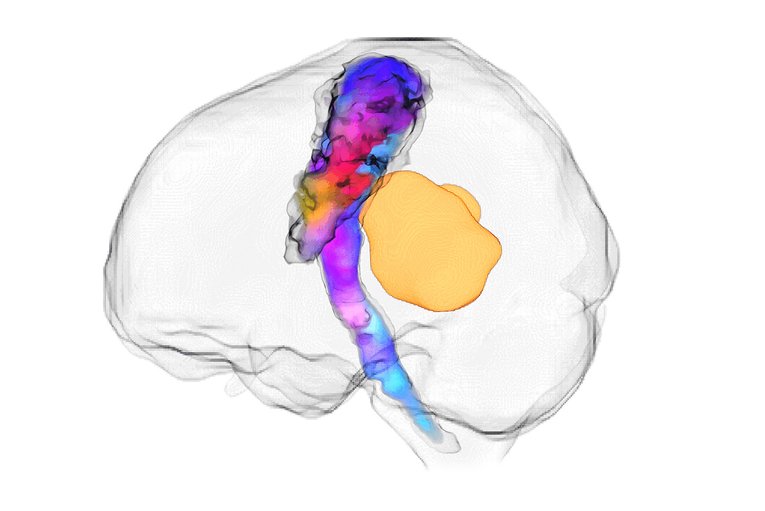
New Fellowship to develop the next generation of paediatric neuro-oncology specialists
The Tessa Jowell Brain Cancer Mission has launched it's first Paediatric Neuro-Oncology Fellowship, to support the development of specialists caring for children with brain cancers
Thousands join world-first trial to save lives of critically ill children
Some of the sickest children in the UK have started to join an innovative clinical trial designed to improve the survival and recovery of children requiring intensive care treatment, led by GOSH.