
https://www.gosh.nhs.uk/news/ten-gosh-staff-successful-in-first-research-pilot-scheme/
Ten GOSH staff successful in first research pilot scheme
24 Feb 2026, 5:28 p.m.
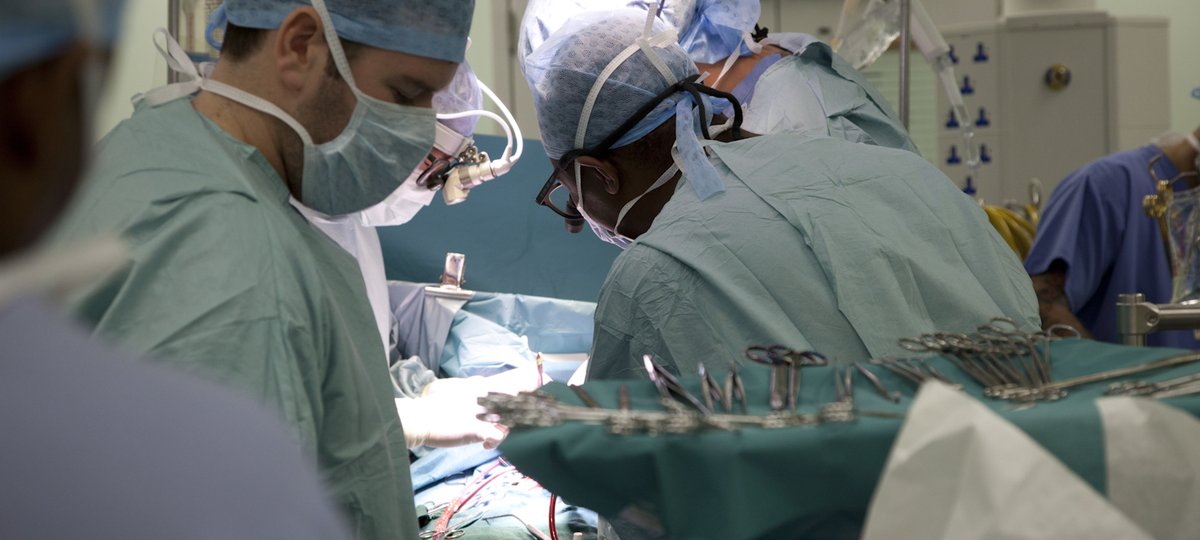
Patients seen at hospitals that carry our research have better outcomes, even if they aren't taking part in research themselves.
That's why we are delighted to announce the first successful applicants of our new Protected Research Time for Clinicians (PRTC) scheme, supported by GOSH Charity. The pilot was created to address a long‑standing challenge: many clinicians want to take part in research but struggle to find dedicated time within their clinical roles.
The new scheme funds 1 Programmed Activity (PA) per week of protected research time over 18 months, supporting clinicians to grow their research ideas, sharpen collaborations, strengthen patient and public involvement, and develop innovations that benefit children and families.
This year’s awardees
Our first cohort represents a wide range of specialities across the hospital — all united by a commitment to improving child health through evidence, innovation, and partnership. Their projects include:
- Stefano Giuliani: Fluorescence‑guided surgery to improve precision and early diagnosis in paediatric and neonatal conditions
- Shahin Moledina: Developing a translational research unit for paediatric pulmonary vascular disease
- James Hatcher: Building a collaborative framework to tackle antimicrobial resistance.
- Anna Sarkozy: Strengthening clinical trial readiness in ultra‑rare neuromuscular conditions
- Sandrine Lacassagne: Evaluating virtual monitoring and PIFU pathways for children with juvenile idiopathic arthritis
- Rob Henderson: Driving forward clinical trials and translational work in paediatric ocular gene therapy
In addition, the departmental pilot with Anaesthetics and Pain will include:
- Usman Ali evaluating preoperative fasting times
- Amaki Sogbodjor investigating patient data for paediatric perioperative research
- Richard Lin assessing residual gastric content volumes following MRI scans
- Helen Laycock focusing on PPIE in anaesthetic research
Why this matters
The quality and ambition of these projects highlight the incredible research talent across the hospital and the importance of making protected time available for clinicians who want to contribute to academic and translational work.
This first pilot has already shown the strong need — and appetite — for structured research time, and it provides a blueprint for expanding similar opportunities in future. While this round focused on medically qualified clinicians, it sits within a wider ecosystem of programmes at GOSH that also support nurses, allied health professionals, and other healthcare staff to pursue research.
Looking ahead
By evaluating the impact of the GOSH Charity-funded PRTC pilot, we want to secure further investment to expand protected research time to a broader range of clinical groups. The achievements of this first cohort will help us to show what’s possible when clinicians are given structured support to innovate — and the difference it can make for children and families.

GOSH surgeon receives prestigious international award
Professor Paolo De Coppi, Consultant Paediatric Surgeon at Great Ormond Street Hospital (GOSH), has been recognised as an Honorary Fellow of the American College of Surgeons (ACS), one of the most prestigious honours in global surgery.
Researchers funded to cure inflammatory disease
Researchers from University College London (UCL) and Great Ormond Street Hospital (GOSH) will join researchers across the UK and international partners in a bid to transform how chronic inflammatory disease is treated.
Innovative imaging project aims to save children’s sight
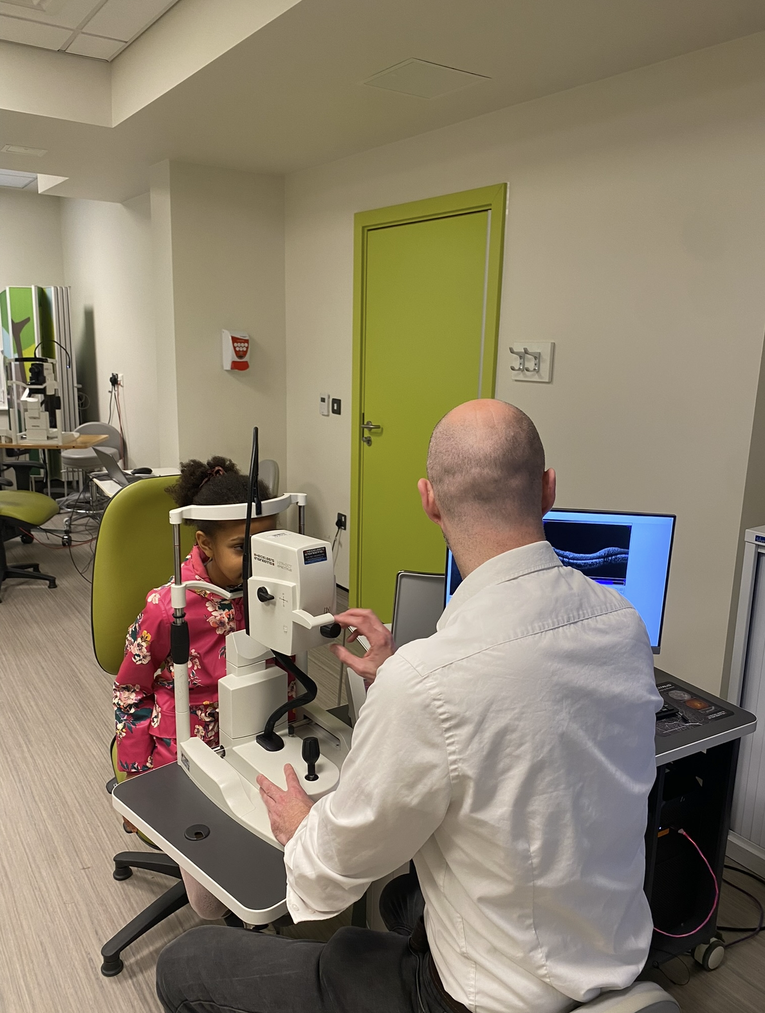
Researchers from GOSH and UCL are leading a project that could transform how children at risk of sight loss are monitored, by adapting advanced eye imaging technology for use closer to home
Five GOSH clinicians recognised with professorial appointments at UCL
Five clinician researchers from GOSH have been promoted to professor by University College London (UCL), recognising their outstanding contributions to research, innovation and child health.