
https://www.gosh.nhs.uk/news/new-study-brings-hope-for-children-with-rare-life-threatening-kidney-disease/
New study brings hope for children with rare life-threatening kidney disease
27 Aug 2026, 9:19 a.m.
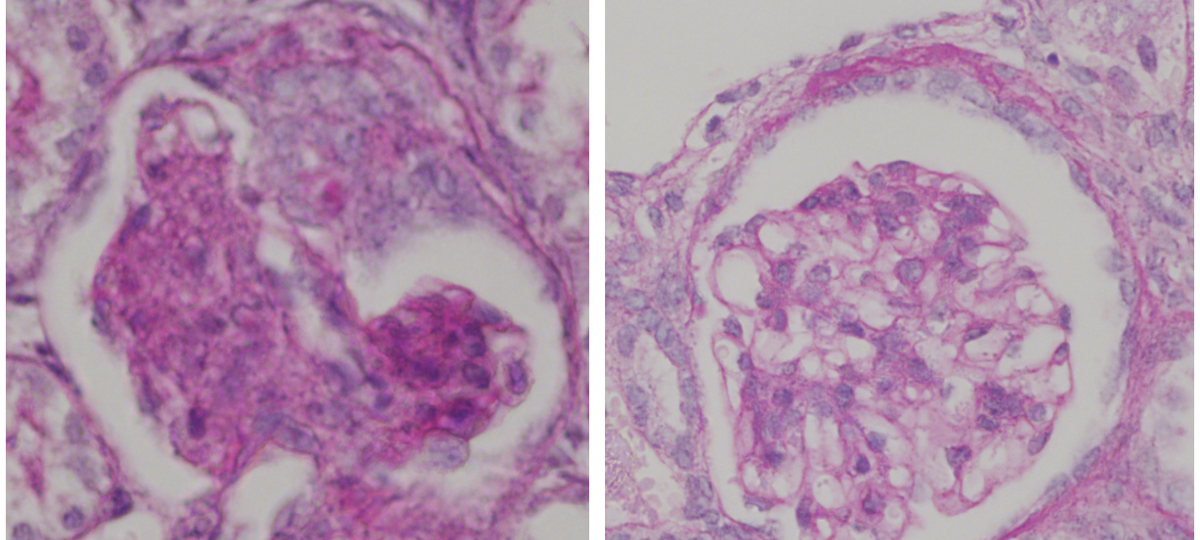
New research funded by Great Ormond Street Hospital Charity (GOSH Charity), LifeArc and Kidney Research UK has taken an important step towards developing a new treatment for serious genetic kidney diseases affecting children.
Published in Science Translational Medicine, the research was led by a team at the UCL Great Ormond Street Institute of Child Health (UCL GOS ICH). The researchers have developed an RNA therapy targeting glomerular disease—a rare genetic condition that can cause kidney failure in early childhood. There are currently no treatments that can stop the disease from progressing, leaving affected children reliant on dialysis and eventually a kidney transplant.
Glomerular diseases in children and adults contribute to the £6.4 billion the NHS spends each year managing chronic kidney disease. Glomerular disease affects tiny structures inside the kidneys called glomeruli. These microscopic filters clean the blood, keeping important proteins in the body while removing waste.
Delivering RNA therapy directly to the kidney
The team, led by Dr Jennie Chandler, Professor David Long and Dr Saif Malik, has pioneered an RNA therapy that gives cells new genetic instructions. This could help restore an important protein and improve the kidneys’ ability to filter blood properly.
The researchers also demonstrated a new way of delivering the therapy directly to the kidney. This could allow more of the treatment to reach damaged kidney tissue while reducing side effects elsewhere in the body.
Although the research is at a very early stage, the team hopes that, with the necessary funding and regulatory approvals, its potential in patients could be evaluated within three to five years. Future treatments could preserve children’s kidney function for longer, delaying kidney failure and potentially reducing the need for long-term dialysis or transplantation. This could help children spend more time at home, at school and doing the things they love.
Asher’s story
GOSH parent Eloise has witnessed first-hand the impact that chronic kidney disease can have and why pioneering research such as this is so important.
Eloise’s son, Asher, was diagnosed with stage five chronic kidney disease just days after he was born. She was told that he would need to begin dialysis before he was six months old and would eventually need a kidney transplant.
Asher was transferred to GOSH for dialysis in October 2024. Now aged three, he continues to experience complications from his kidney disease, including rickets, for which he receives regular physiotherapy.
Eloise said: “To hear that progress is being made towards slowing genetic kidney disease is a real source of hope for children and families facing this condition. There is currently no cure for kidney disease, and too many children spend important years of their childhood in hospital receiving treatment. A lot of people assume that once Asher has a transplant, he will have a normal life. That isn’t the case. As he is so young, he will need multiple kidney transplants throughout his lifetime. Seeing what Asher has gone through has really opened my eyes to kidney disease and the impact it can have.”
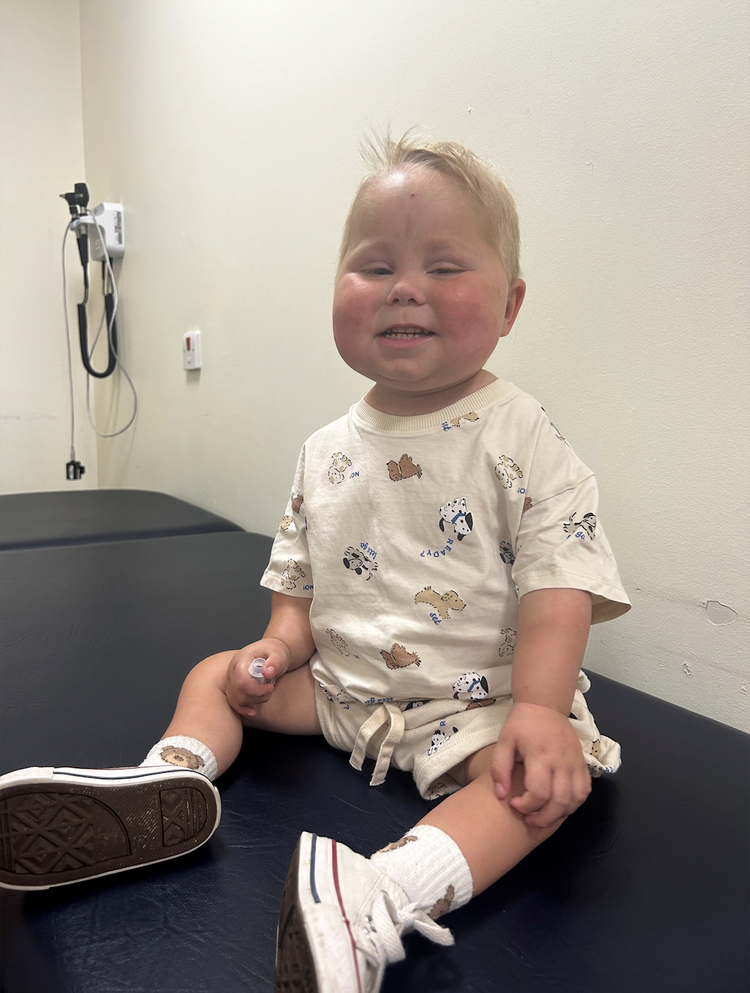
Asher
Hope for new treatments
Aoife Regan, GOSH Charity’s Director of Impact & Charitable Programmes, said: “By funding ambitious, targeted research, we aim to accelerate discoveries that transform the understanding, diagnosis and treatment of kidney conditions, improving outcomes and quality of life for children and families.”
Dr Jennie Chandler, Senior Research Fellow at UCL GOS ICH, said: “This truly is a landmark piece of work in the field of novel therapies for childhood kidney disorders. Charities such as GOSH Charity are incredibly important to work like this. Without their support, research that might otherwise never have happened becomes possible.”
Dr Saif Malik, Research Fellow at UCL GOS ICH, added: “Behind this research are children and families affected by kidney disease, and our ambition is to turn these discoveries into new treatments that can give them better options and a brighter future.”
Professor David Long, Professor of Paediatric Nephrology and Head of the Developmental Biology and Cancer Department at UCL GOS ICH, said: “This research has the potential to be transformative, not just by improving kidney function but by reducing the significant physical and emotional burdens that children and their families carry when facing this condition.”
World-first same-day metagenomics for children can detect hidden infections in intensive care
GOSH has successfully implemented a pioneering same-day respiratory metagenomics testing service for children in intensive care, helping clinicians identify infections more quickly and make better-informed treatment decision
Celebrating the gift of organ donation
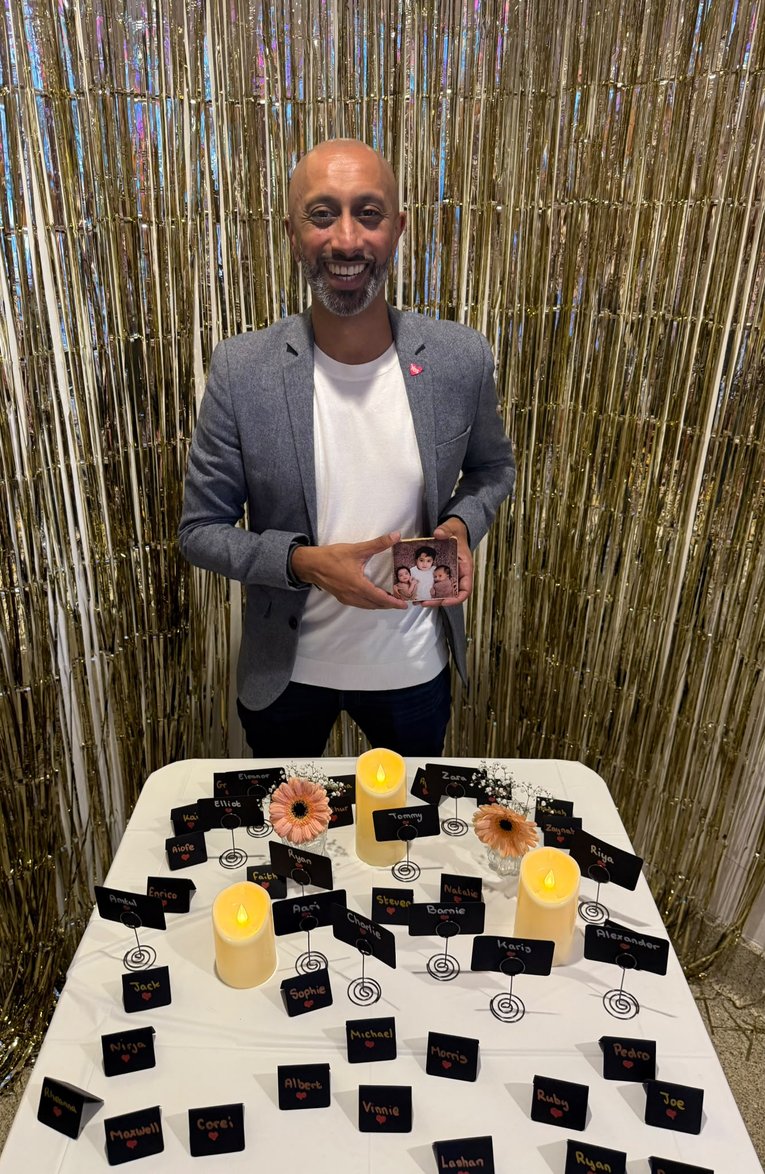
During Organ Donation Week 2026, GOSH hosted its first Donor Family Tea Party, bringing together families whose children gave the extraordinary gift of life through organ donation.

Road closure: 28 and 30 Oct - Great Ormond Street
Postponed: There will be a partial closure of Great Ormond Street between 4am on Wednesday 21 and 10pm on Thursday 22 October.
GOSH families at the heart of major £6m project to improve support for children with complex needs
Children, young people and families from GOSH will help shape a major new research programme